
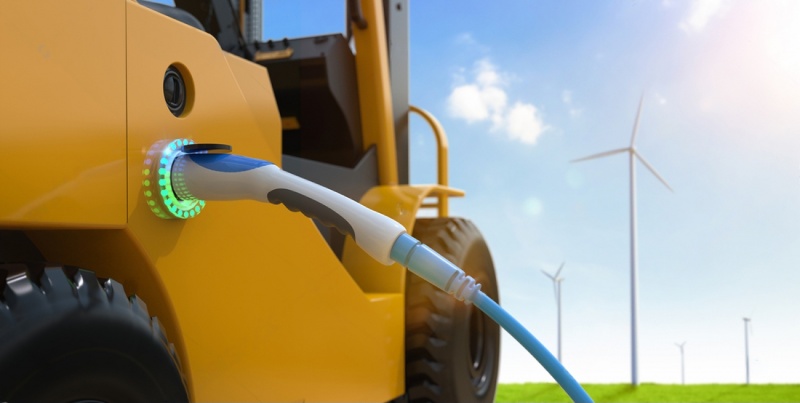
What Are Your Tips To Charge A Forklift Battery?
Charge smart and safe: start at 20–30% remaining, finish full cycles, water after charging, ventilate well, and inspect cables to avoid early failure.
Getting the most life and runtime from a forklift battery is less about “one perfect charge” and more about repeating the right habits every day. In busy warehouses, batteries are often damaged by avoidable routines—interrupting charges, watering too early, charging in hot spots with poor airflow, or ignoring loose connectors until they overheat. The result is shortened run time, higher maintenance, and premature replacement.
This guide focuses on practical, shop-floor tips you can standardize across a team. It covers when to charge, how to water correctly, what a healthy charging cycle looks like, and the small checks that prevent big downtime.
Key Tips for Charging Forklift Batteries
When to Charge
A strong baseline rule is to begin charging when the battery is around 20–30% state of charge. That range helps you avoid deep discharge stress while also preventing constant “micro-charges” that can shorten life for many lead-acid systems.
- Do: Train operators to plug in when the battery hits roughly 20–30% remaining.
- Avoid: Random top-ups throughout the shift unless your battery/charger program is designed specifically for that pattern.
- Plan it: Set a charging schedule that matches your shift structure so batteries aren’t being rushed or repeatedly unplugged.
Watering Procedures
If you are using flooded lead-acid batteries, watering is essential—but timing is everything. The safest and most effective approach is to water only after charging. During charging, the electrolyte level rises. If you fill before charging, you increase the risk of overflow, acid spray, corrosion, and messy battery compartments.
- Fully charge the battery first.
- After the charge completes, check electrolyte levels.
- Top up with distilled water to the correct fill level—do not overfill.
- Keep caps secure and wipe spills immediately.
Tip: If your facility uses a watering system, make sure staff know the “after charge” rule and that the system is calibrated for your battery type.
Safety First
Charging areas can become hazardous if basic controls are ignored. Batteries can release hydrogen during charging, and hydrogen accumulation plus a spark can be dangerous. Build a routine that makes safe charging automatic:
- Designate a charging area and keep it clear of storage, trash, and combustible materials.
- Ventilation matters: maintain airflow to prevent gas buildup.
- Prohibit smoking, open flames, and grinding/welding near charging zones.
- Use appropriate PPE when handling batteries, connectors, or watering (gloves/eye protection as required by your site rules).
- Use spill kits and neutralizer where appropriate, and train staff on response steps.
The Charging Cycle
Many forklift battery systems are designed around a complete charge cycle—often around 8 hours—followed by a rest/cool period. A common best practice is: charge completely without interruptions. Repeatedly stopping a charge early can contribute to incomplete charging patterns, uneven cell behavior, and reduced usable capacity over time.
- Plug in securely and allow the charger to finish its program.
- Do not “short-charge” just to get back on the floor faster.
- Make sure the charger matches the battery’s voltage and type, and that settings are correct.
If operators must swap batteries to keep production moving, create a swap plan rather than forcing partial charges repeatedly.
Cool Down
Heat is a battery’s enemy. Batteries warm up during heavy operation and again during charging. If you charge when the battery is still hot from work—or immediately return a just-charged battery to demanding use—you can accelerate aging. A simple cool-down habit reduces long-term damage:
- After heavy operation, allow a brief rest before charging if the battery is noticeably hot.
- After charging, allow the battery to cool before putting it back into high-load service.
Even a short, consistent cool-down window can improve repeatable performance across the fleet.
Equalizing
For many lead-acid batteries, equalizing is a controlled overcharge used to help balance cells and reduce stratification. A common guideline is to equalize about every 5–10 cycles (or as recommended by your battery and charger manufacturer). Done correctly, it can improve consistency and reduce early capacity loss.
- Schedule equalization so it doesn’t interrupt operations.
- Ensure ventilation is solid—equalization can increase gassing.
- Track cycles so equalization happens on time, not “whenever someone remembers.”
Check Cables
Many charging issues are not “battery problems” at all—they’re connection problems. Loose lugs, worn connectors, or damaged cables create resistance, which creates heat. Heat damages plugs and can lead to arcing, slow charging, or sudden failures.
- Inspect connectors for cracking, discoloration, melted plastic, or loose fit.
- Check cable insulation for cuts or abrasion.
- Verify connectors seat fully and latch correctly.
- If a plug feels unusually hot, treat it as a warning sign and investigate immediately.
Keep it Clean
Dirt, moisture, and corrosion shorten battery life. A clean battery top reduces tracking (unwanted current paths), lowers corrosion risk, and makes inspections easier.
- Wipe down battery tops and connectors routinely.
- Clean corrosion early before it spreads.
- Keep the charging bay tidy—clutter increases trip hazards and slows safe handling.
What should you do before charging a forklift battery?
Use this pre-charge checklist to reduce mistakes and protect equipment:
- Park in the designated charging area and secure the truck (neutral, key off, parking controls as required).
- Visually inspect the battery case and connectors for cracks, leaks, corrosion, or heat discoloration.
- Confirm ventilation is running and the area is free of ignition sources.
- Check the charger cable for damage and confirm it matches battery voltage/type.
- Connect properly: firm, fully seated connection—no “half-plugged” charging.
Extra habits that extend battery life
- Log charging behavior: Track cycles, equalization dates, and problem batteries to stop repeat failures.
- Standardize training: Most battery damage comes from inconsistent operator habits.
- Fix small issues fast: A loose connector today becomes a burned plug tomorrow.
- Match the workflow: Use the right battery strategy for your operation (single shift, multi-shift, swaps, planned charge windows).
Conclusion
The best tips to charge a forklift battery come down to consistency: begin charging at 20–30% remaining, complete full charge cycles, water lead-acid batteries only after charging, use a dedicated ventilated charging area, allow cool-down time, equalize on schedule, and keep cables and surfaces clean. These habits reduce downtime, improve runtime, and help your battery investment last longer.

Add a review
Your email address will not be published. Required fields are marked *