
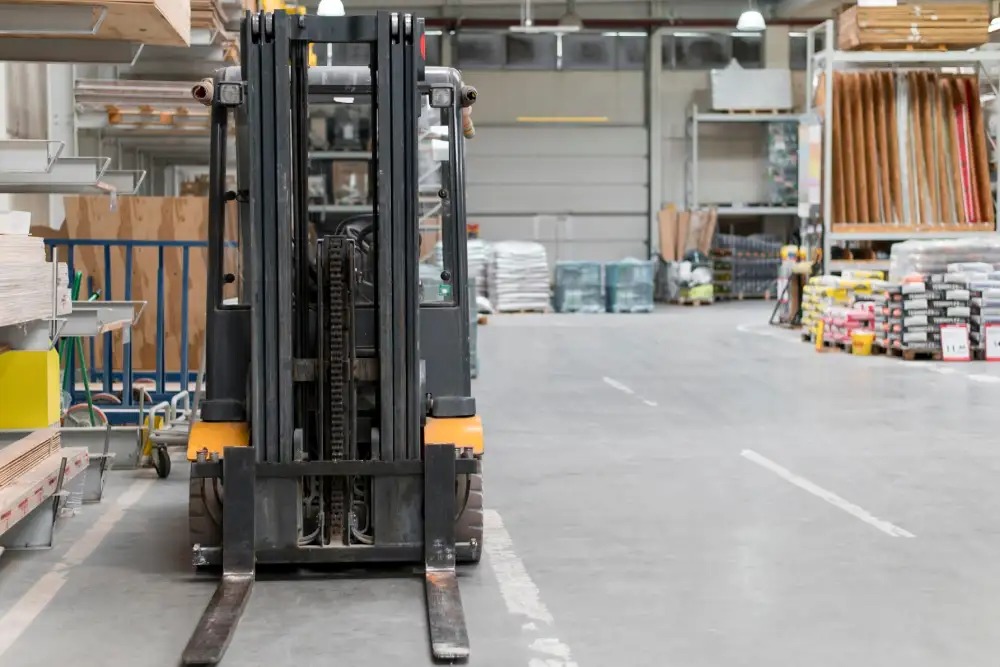
What Are the Environmental Benefits of Electric Forklift Batteries?
Electric forklift batteries cut on-site pollution and noise while supporting recycling and lower energy use—key wins for greener warehouses.
Warehouses and distribution centers are under increasing pressure to reduce emissions, improve indoor air quality, and operate more efficiently. That’s why electric forklift batteries are often seen as a practical environmental upgrade. Unlike fuel-powered trucks that produce exhaust at the point of use, electric forklifts run on stored electrical energy, which can significantly reduce local pollution and help businesses meet sustainability goals.
Environmental impact isn’t only about what comes out of a tailpipe. It also includes energy consumption, lifecycle materials, waste streams, and the workplace environment (like noise levels). Below are the key environmental benefits of electric forklift batteries—especially when charging, maintenance, and end-of-life recycling are managed properly.
Key Environmental Benefits
Zero Operational Emissions
One of the biggest advantages of electric forklifts is that they produce zero tailpipe emissions during operation. That means no on-site exhaust gases such as carbon monoxide, nitrogen oxides, or particulate matter—pollutants commonly associated with combustion engines. For indoor operations, this is a major environmental and air-quality benefit because it reduces the need to manage exhaust exposure in enclosed spaces.
Cleaner on-site operation also helps facilities maintain a more comfortable work environment, particularly in large warehouses where multiple trucks operate simultaneously for long shifts.
Energy Efficiency & Reduced Carbon Footprint
Electric drivetrains typically convert energy to motion more efficiently than combustion systems. That efficiency can translate into lower total energy use for equivalent material-handling work. The carbon footprint benefit depends on how the electricity is generated (grid mix, renewable share, etc.), but many operations still see meaningful reductions in greenhouse gas emissions compared with fuel-powered trucks.
Some operational and lifecycle comparisons have suggested that electric forklifts can deliver dramatically lower greenhouse gas impact than LPG trucks in certain conditions—sometimes cited as “up to dozens of times” lower when measuring emissions per unit of work in controlled comparisons. Actual results vary based on duty cycle, facility utilization, maintenance, and energy sourcing.
High Recyclability and Circular Economy Support
Forklift battery ecosystems—especially lead-acid—are often cited as a strong example of industrial recycling. In many established recycling systems, lead-acid batteries can achieve extremely high recovery rates, commonly reported as over 98% lead recovery in mature supply chains. This supports a more circular material flow, where recovered metals can be processed and reused rather than continuously extracted from new ore.
From an environmental perspective, strong recycling systems help reduce:
- Raw material extraction pressure
- Landfill burden from heavy industrial components
- Energy demand associated with producing materials from scratch
Reduced Hazardous Waste (When Managed Properly)
Industrial batteries must be handled responsibly, but electric forklift systems can reduce certain waste streams compared with combustion equipment. For example, electric forklifts avoid engine oils, many fuel-system components, and associated fluid disposal typical of combustion-powered fleets.
Battery-related waste can also be reduced with good operational habits:
- Charging at appropriate state-of-charge thresholds (avoiding premature aging)
- Proper watering practices for flooded lead-acid batteries
- Routine inspections to prevent corrosion and damage
- Using established recycling channels at end of life
When batteries are maintained well and recycled through approved processors, the environmental footprint of disposal and replacement can be significantly reduced.
Reduced Noise Pollution
Electric forklifts are typically quieter than fuel-powered models. Lower noise levels reduce overall “warehouse noise pollution,” which can improve the work environment and reduce the need for constant high-volume warning sounds. While safety controls are still essential, a quieter baseline operation is often viewed as an environmental and workplace-quality improvement—especially in dense picking areas and indoor facilities.
Are Electric Forklifts Better for the Environment?
In most indoor warehouse environments, electric forklifts are widely considered a more environmentally favorable option because they:
- Eliminate on-site exhaust emissions
- Can reduce greenhouse gas impact depending on electricity sources and efficiency
- Support strong recycling and circular material recovery (particularly for lead-acid)
- Reduce noise pollution
- Avoid many combustion-related fluid and parts waste streams
That said, “better for the environment” is not automatic. The environmental advantage grows when facilities do the basics well: optimize charging practices, avoid overuse that shortens battery life, and ensure batteries are recycled through proper channels.
Practical Ways to Maximize Environmental Benefits
If your goal is to improve sustainability outcomes, focus on these high-impact actions:
- Use efficient charging routines: reduce unnecessary charging cycles that age batteries early.
- Maintain batteries correctly: prevent corrosion, overheating, and avoidable failures that force early replacement.
- Improve charging area safety and airflow: helps protect batteries and reduces incident risk.
- Choose recycling pathways up front: plan end-of-life handling with an established recycler or supplier program.
- Track energy use: measure kWh per shift or per pallet moved to identify efficiency improvements.
Conclusion
The environmental benefits of electric forklift batteries go beyond “no exhaust.” They include cleaner indoor operation, high recyclability that supports a circular economy, potentially lower greenhouse gas impact (depending on energy sources), reduced hazardous waste from combustion maintenance, and quieter warehouses. When paired with proper charging, maintenance, and responsible recycling, electric forklift batteries can be a strong step toward more sustainable material handling.
Add a review
Your email address will not be published. Required fields are marked *