
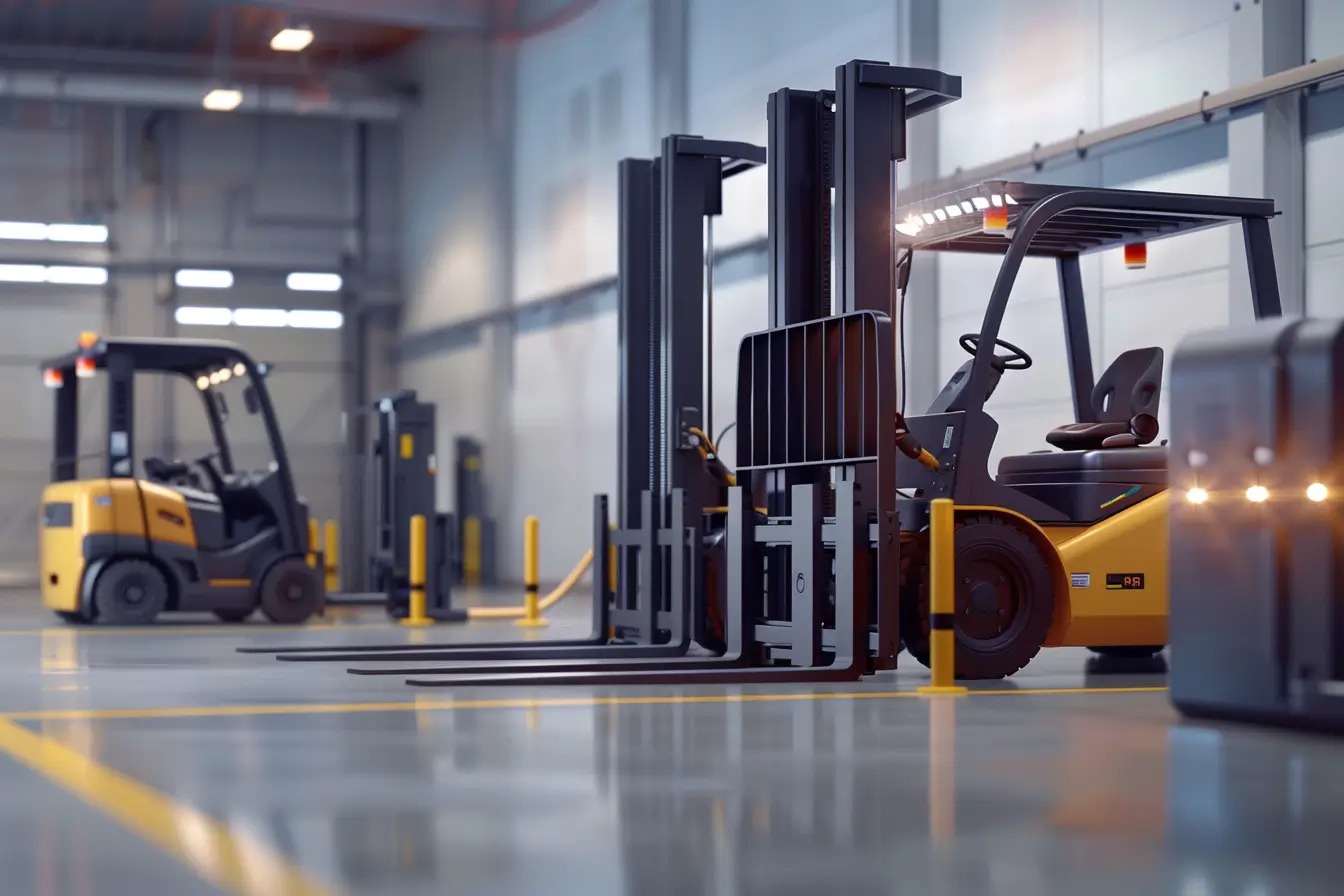
How Do I Quickly Choose the Right Electric Forklift Battery?
Quickly choose the right electric forklift battery by matching the voltage (24V, 36V, 48V, 80V) to your truck, ensuring the physical dimensions fit the tray, and checking that the weight meets minimum counterweight requirements. For light, single-shift use, choose affordable lead-acid; for high-intensity, multi-shift use, choose fast-charging, maintenance-free lithium-ion.
Why Choosing the Right Battery Matters
Selecting the correct battery for your electric forklift directly impacts daily productivity, safety, and long-term operating costs. A mismatched battery can cause poor performance, reduced runtime, stability issues, or even premature failure of the truck’s electrical system. Taking a few minutes to verify key specifications saves time, prevents costly mistakes, and ensures your forklift operates at peak efficiency throughout its service life.
Key Steps for Fast Selection
1. Check the Data Plate
The fastest way to start is to locate the forklift’s data plate, usually found on the frame near the operator’s seat or inside the battery compartment. This plate lists the exact voltage (24V, 36V, 48V, or 80V), capacity requirements, and minimum battery weight. Matching the voltage is non-negotiable — using the wrong voltage can damage the motor controller or result in very poor performance. Note the required amp-hour (Ah) rating as well, since higher Ah batteries provide longer runtime but may be heavier and more expensive.
2. Measure the Compartment
Measure the battery tray dimensions (length, width, and height) inside the forklift. Batteries must fit snugly without forcing or modifying the compartment. Even small differences in size can prevent proper installation or cause vibration damage during operation. Record the measurements and compare them against the specifications of any replacement battery you are considering. Many manufacturers provide exact tray dimensions for popular forklift models to simplify this step.
3. Verify Battery Weight
Forklift batteries serve as a critical counterweight. The data plate specifies the minimum required battery weight for safe operation. Installing a battery that is too light can shift the center of gravity and increase the risk of tip-overs. Check both the minimum weight requirement and the actual weight of the battery you plan to install. Lithium-ion batteries are significantly lighter than lead-acid, so if you are upgrading to lithium, you may need additional ballast or a manufacturer-approved lithium pack designed to meet the weight specification.
4. Confirm Connector Details
Check the battery connector type, color coding, and gender. Most electric forklifts use standardized Anderson or similar connectors. Mismatched connectors require adapters or rewiring, which can introduce resistance and safety issues. Note the cable length and terminal configuration as well. Taking a photo of the existing connector makes it easy to match when ordering a replacement.
Lead-Acid vs Lithium-Ion: Which Is Right for You?
For light, single-shift operations with lower daily usage, traditional flooded or AGM lead-acid batteries remain a cost-effective choice. They are less expensive upfront but require regular watering, cleaning, and equalization. For high-intensity, multi-shift operations, lithium-ion (LiFePO4) batteries are usually the better long-term investment. They offer dramatically longer life, faster charging, zero maintenance, lighter weight, and consistent power output throughout the shift. Although lithium has a higher initial cost, the reduced downtime, lower labor costs, and extended lifespan often result in significant savings within the first two to three years.
What Is the Most Common Electric Battery?
The most common electric forklift battery configuration in 2026 is still the 48-volt system using six 8-volt lead-acid batteries. This setup provides a good balance of power, runtime, and cost for the majority of warehouse and manufacturing applications. However, lithium-ion 48-volt packs are rapidly gaining popularity and are expected to become the dominant choice in the coming years due to their superior performance and lower total cost of ownership. When replacing batteries, always confirm your forklift’s exact voltage and capacity requirements to ensure compatibility.
Conclusion
Choosing the right electric forklift battery doesn’t have to be complicated. By quickly checking the data plate for voltage, measuring the battery compartment, verifying the minimum weight requirement, and confirming the connector type, you can make an informed decision in minutes. Consider your daily usage patterns when deciding between traditional lead-acid and modern lithium-ion options. For most high-usage fleets, lithium batteries deliver the best long-term value through longer life, faster charging, and zero maintenance. Taking the time to select the correct battery ensures reliable performance, improved safety, and lower operating costs.
Add a review
Your email address will not be published. Required fields are marked *