
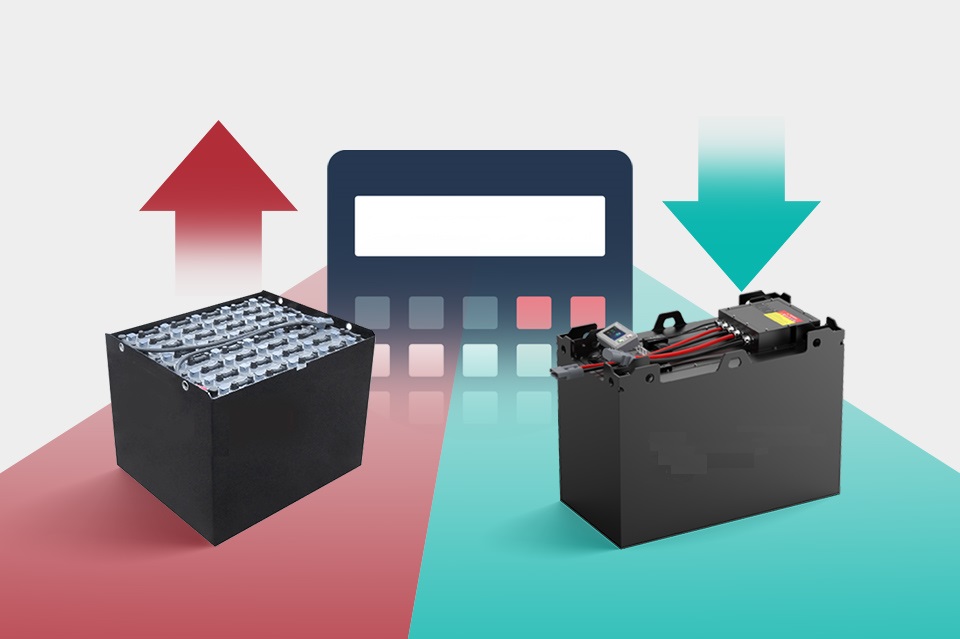
Is the Higher Upfront Cost of Lithium-Ion Forklift Batteries Worth It in the Long Run?
Yes, the higher upfront cost of lithium-ion (Li-ion) forklift batteries is generally worth it in the long run, often providing a lower total cost of ownership (TCO) and, in some cases, a rapid return on investment (ROI) within 10–16 months. While 2–2.5x more expensive initially, Li-ion batteries offer a 2–4x longer lifespan, eliminate maintenance labor (no watering/cleaning), and provide 30% higher energy efficiency.
Understanding Total Cost of Ownership (TCO)
When evaluating forklift batteries, the purchase price is only the beginning. The true cost includes energy consumption, maintenance labor, downtime, replacement frequency, and disposal expenses. Lithium-ion batteries have a significantly higher initial price tag, but their superior performance across all other cost categories usually results in a much lower TCO over the life of the equipment. Many fleet operators report full payback within 12 to 18 months, after which the savings continue for years.
Key Long-Term Financial and Operational Benefits
Reduced Total Operating Costs
Lithium-ion forklift batteries dramatically reduce operating costs. They use 30% less energy per shift compared to lead-acid batteries because of higher efficiency and consistent voltage output. Electricity bills drop noticeably, especially in multi-shift operations. More importantly, the elimination of daily maintenance tasks saves hundreds of labor hours per year. No more watering cells, cleaning corrosion, or performing equalization charges — tasks that add up quickly across a large fleet.
Higher Productivity and Reduced Downtime
Opportunity charging is one of the biggest productivity gains. Lithium batteries can be topped off during short breaks without damage, allowing a single battery pack to support multiple shifts. Lead-acid batteries typically require a full 8–12 hour charge plus cool-down time, often limiting a truck to one shift per day. With lithium, trucks stay on the floor longer, increasing throughput and reducing the number of spare batteries needed. Less downtime means more pallets moved and higher overall warehouse efficiency.
Longevity
Lead-acid forklift batteries usually last 3–5 years (500–1,500 cycles) under normal conditions. Lithium-ion batteries commonly deliver 8–12 years or 3,000–5,000+ cycles. This means fewer replacements over the life of the forklift. Many facilities that switch to lithium report that a single lithium pack outlasts two or even three lead-acid sets. Fewer replacements translate directly into lower capital expenditure and reduced labor for battery changes.
Lower Maintenance Costs
Maintenance is virtually eliminated with lithium-ion batteries. There is no need to check water levels, clean terminals, or perform equalization charges. This not only saves on labor and distilled water but also reduces the risk of human error that can damage batteries or create safety hazards. The built-in Battery Management System (BMS) automatically protects the pack from overcharging, deep discharge, and extreme temperatures, further reducing maintenance needs.
Better Performance
Lithium batteries maintain consistent voltage throughout the entire discharge cycle, unlike lead-acid batteries that gradually lose power as they deplete. This means forklifts accelerate faster, climb ramps more easily, and maintain full performance right up to the end of the shift. Operators report less fatigue and higher productivity because the equipment feels stronger and more responsive all day long.
What Is the Life Expectancy of a Lithium Battery in a Forklift?
High-quality lithium-ion (LiFePO4) forklift batteries typically last 8 to 12 years or 3,000 to 5,000+ full charge cycles under normal operating conditions. With proper charging habits and temperature control, many packs still deliver 80–85% of original capacity after 10 years of daily use. This is 3–5 times longer than traditional lead-acid batteries. Real-world lifespan depends on daily cycles, charging practices, and environmental conditions, but lithium batteries consistently outperform lead-acid in every metric that matters to fleet managers.
Conclusion
The higher upfront cost of lithium-ion forklift batteries is almost always worth it in the long run. Lower total operating costs, dramatically reduced maintenance, higher productivity, longer lifespan, and better performance combine to deliver a rapid return on investment and significant savings over the life of the equipment. Facilities that switch to lithium often recoup the extra investment within 10–16 months and then enjoy years of lower costs and improved reliability. For operations looking to modernize their material handling fleet, lithium-ion technology represents a clear step forward in efficiency and sustainability.
Add a review
Your email address will not be published. Required fields are marked *