
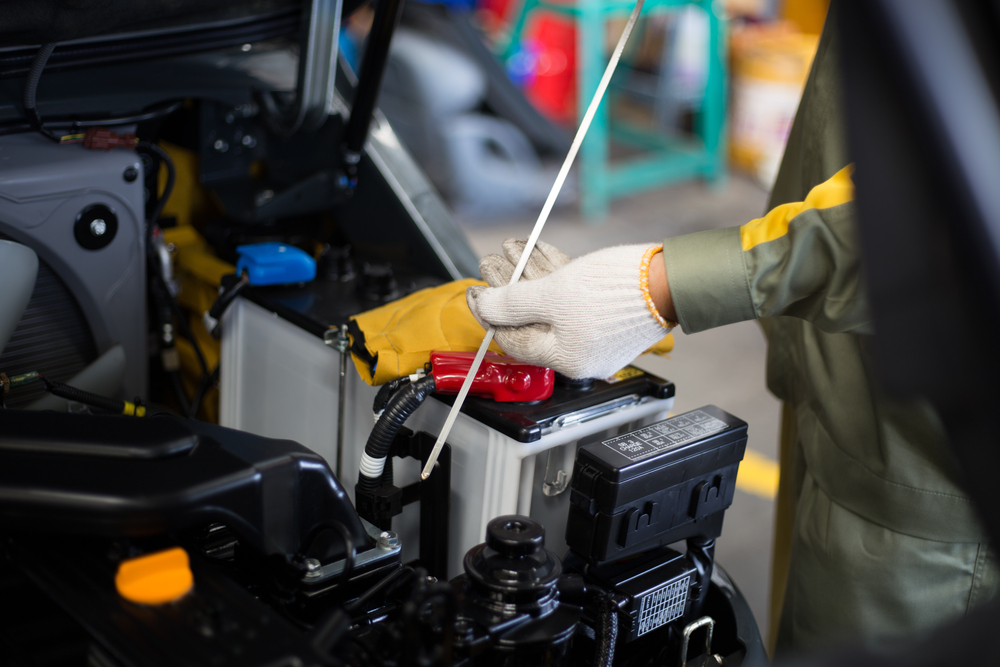
How soon should repairs be made to a forklift
When a forklift shows signs of malfunction or damage, the question of repair timing becomes critical. Delaying repairs can lead to costly downtime, safety hazards, and long-term equipment failure. Understanding how quickly repairs should be made is essential for maintaining operational efficiency and workplace safety.
Immediate Repairs for Safety-Critical Issues
Any forklift issue that poses an immediate safety risk must be repaired before the lift truck is operated again. This includes problems with the braking system, steering mechanism, lifting chains, or mast stability. Operating a forklift with such faults can cause accidents, injuries, or property damage. In many jurisdictions, regulations such as OSHA require that forklifts be taken out of service immediately when a defect is found that could endanger personnel.
Prompt Repairs for Operational Impact
Issues that do not create an immediate danger but affect performance should still be addressed within a very short timeframe—ideally within 24 to 48 hours. For instance, if the forklift is experiencing slow lift speeds, battery drain, or unusual noises from the drivetrain, these symptoms often indicate underlying problems that will worsen. Continuing to use the forklift under such conditions can lead to more significant damage and increase total repair costs. Liftron Material Handling recommends scheduled inspections to catch these issues early.
Scheduled Repairs for Minor Wear and Tear
Minor issues like worn seat belts, faded warning decals, or small hydraulic leaks can sometimes be scheduled for repair during planned maintenance windows. However, even these seemingly minor problems should not be ignored for more than a week. A small leak today can turn into a major hydraulic failure tomorrow. Routine maintenance checks should include a repair log to prioritize and track any non-critical items.
Emergency vs. Routine Repairs: A Comparison
| Type of Issue | Repair Timeline | Example |
|---|---|---|
| Safety-critical | Immediately before use | Faulty brakes, broken chain |
| Operationally degrading | Within 24-48 hours | Slow lift speed, high battery drain |
| Minor wear | Within 1 week or next PM | Hydraulic leak, worn horn |
Impact of Delaying Repairs
Procrastinating forklift repairs has measurable consequences. Each hour of unplanned downtime can cost a warehouse hundreds or thousands of dollars in lost productivity. Moreover, ignoring a problem often leads to cascading failures—for example, a worn hydraulic seal can contaminate the entire system, leading to pump damage. Regular maintenance and prompt repair not only extend the life of the equipment but also preserve its resale value.
Lithium-Ion Forklifts: Unique Repair Considerations
Modern forklifts, especially those powered by lithium-ion batteries, may have different repair urgency criteria. For instance, if the battery management system (BMS) indicates an imbalance or temperature fault, immediate action is required to prevent damage or fire risk. The Liftron DL SERIES is equipped with advanced BMS that provides real-time data—any anomaly should be addressed within hours. Lithium-ion systems generally demand more proactive monitoring than lead-acid counterparts.
Preventive Maintenance vs. Reactive Repairs
The ideal approach is to minimize repair emergencies by adhering to a strict preventive maintenance schedule. Facilities that follow manufacturer-recommended service intervals typically experience fewer breakdowns and lower repair costs. Reactive repairs—fixing only when something breaks—are almost always more expensive and cause more disruption. Implementing a daily check sheet combined with weekly inspections can help identify issues before they escalate.
Best Practice: Daily Pre-Operation Checks
- Inspect tires for cuts or uneven wear
- Check fluid levels (hydraulic, engine oil, coolant)
- Test brakes, horn, steering, and lights
- Look for any leaks or unusual noises
- Verify the battery charge and connectors
Conclusion
In short, repairs should be made as soon as a problem is identified. Safety hazards demand immediate action, while performance and minor issues should be resolved within days. Waiting only amplifies risks and expenses. A well-managed fleet relies on timely maintenance, and modern solutions from Liftron Material Handling can help operators stay on top of repair schedules. For lithium-ion models like the Liftron DL SERIES, taking prompt action based on diagnostic data is key to maximizing uptime and battery life. Ultimately, the cost of a quick repair is always lower than the cost of a preventable accident or a major overhaul.


Add a review
Your email address will not be published. Required fields are marked *