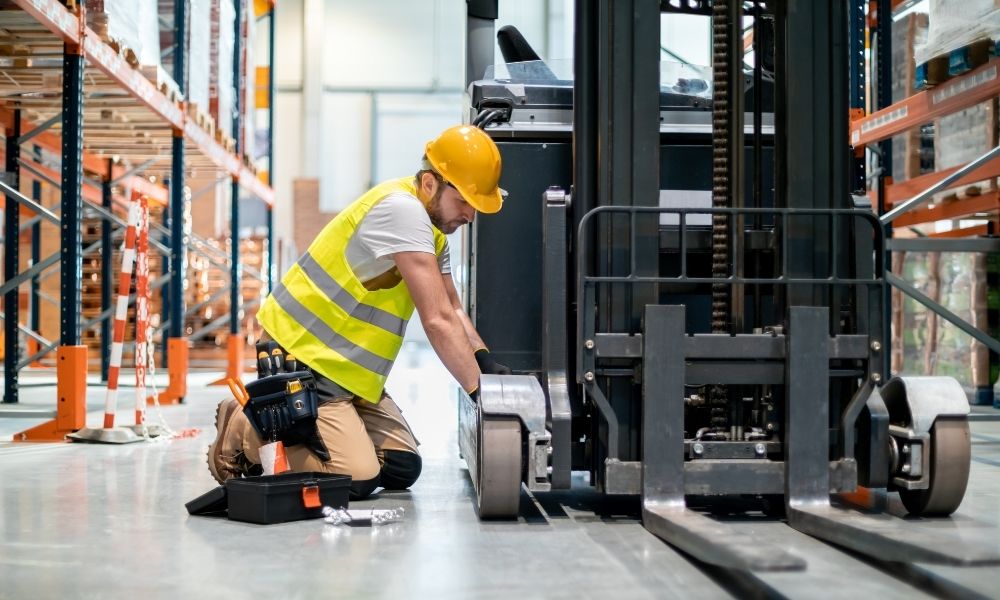
does forklift battery repair florida

Does Forklift Battery Repair in Florida Exist?

Quick Answer: Yes, forklift battery repair is available across Florida, including on-site service, cell replacement, desulfation, cleaning, and full battery refurbishment programs.

As electric material handling equipment continues to grow in demand, many service providers now support battery diagnostics, cell replacement, and full refurbishment programs to extend battery lifespan and reduce operational costs for businesses using forklifts.

Forklift Battery Repair Services in Florida

Most industrial battery service providers offer a combination of repair and maintenance solutions designed to restore performance and reduce downtime.

Refurbishing & Desulfation

This process uses high-frequency pulse technology to break down sulfate crystals inside lead-acid batteries, helping restore capacity and extend battery life.

Cell Replacement & Repairs

Damaged cells, cables, and connectors can be replaced individually instead of purchasing a full new battery, reducing overall replacement costs.

Preventive Maintenance

Routine maintenance includes watering systems, corrosion cleaning, voltage testing, and scheduled inspections to prevent unexpected breakdowns.

Major Forklift Battery Service Providers in Florida

  • Florida Battery Services (Miami): Free evaluations, cell replacement, and refurbishing diagnostics.
  • Florida Industrial Battery: On-site and in-shop maintenance, corrosion cleaning, and part replacement services statewide.
  • Central Florida Forklift (Apopka): Mobile technicians for on-site troubleshooting and battery pickup services.
  • IBCI: Mobile service units for emergency forklift battery and charger repairs.
  • Ring Power Lift Trucks: Battery sales, service, and diagnostics across North and Central Florida.
Important Tip: In many cases, battery performance issues are caused by poor maintenance rather than complete failure. Regular inspection can extend battery life by 30–50%.

How Forklift Battery Repair Works

  1. Battery inspection and voltage testing
  2. Diagnosis of cell condition and electrical performance
  3. Cleaning corrosion and terminal maintenance
  4. Cell replacement or desulfation treatment if needed
  5. Recharging and load testing under real conditions
  6. Final certification for safe operation return

Cost of Forklift Battery Replacement

The cost of replacing a forklift battery in Florida typically ranges from $2,000 to $8,000 depending on battery size, voltage, and chemistry type. Lithium-ion systems may cost more upfront but offer longer lifespan and lower maintenance requirements.

Companies operating fleets of industrial forklifts often compare repair vs replacement costs to determine the most cost-effective solution for long-term operations.

Are Forklift Batteries Considered HAZMAT?

Yes, forklift batteries—especially lead-acid types—are considered hazardous materials (HAZMAT) due to their sulfuric acid content and heavy metal composition. Proper handling, transportation, and recycling must follow EPA and DOT regulations.

Lithium-ion forklift batteries also require controlled handling due to thermal runaway risks, although they are generally safer in day-to-day operation.

Safety Note: Only certified technicians should handle forklift battery repairs, disposal, or transport due to HAZMAT regulations and workplace safety standards.

Comparison Table: Repair vs Replacement

Option Cost Lifespan Impact Best Use Case
Repair / Refurbishment Low to Medium Extends life 1–3 years Minor cell or performance issues
Cell Replacement Medium Restores partial capacity Localized battery failure
Full Replacement High Full new lifecycle Severe degradation or aging batteries

Benefits of Professional Battery Repair

  • Reduces operational downtime
  • Extends battery lifespan
  • Lowers total ownership cost
  • Improves forklift performance
  • Reduces environmental waste

Conclusion

Forklift battery repair in Florida is a widely available service that helps businesses extend battery life, reduce costs, and maintain reliable warehouse operations. From desulfation to full refurbishment, professional services provide efficient solutions for electric forklift fleets.

Companies using industrial forklifts benefit significantly from regular battery maintenance programs, ensuring higher uptime and safer operations.
how to get a forklift license in arizona

How to Get a Forklift License in Arizona

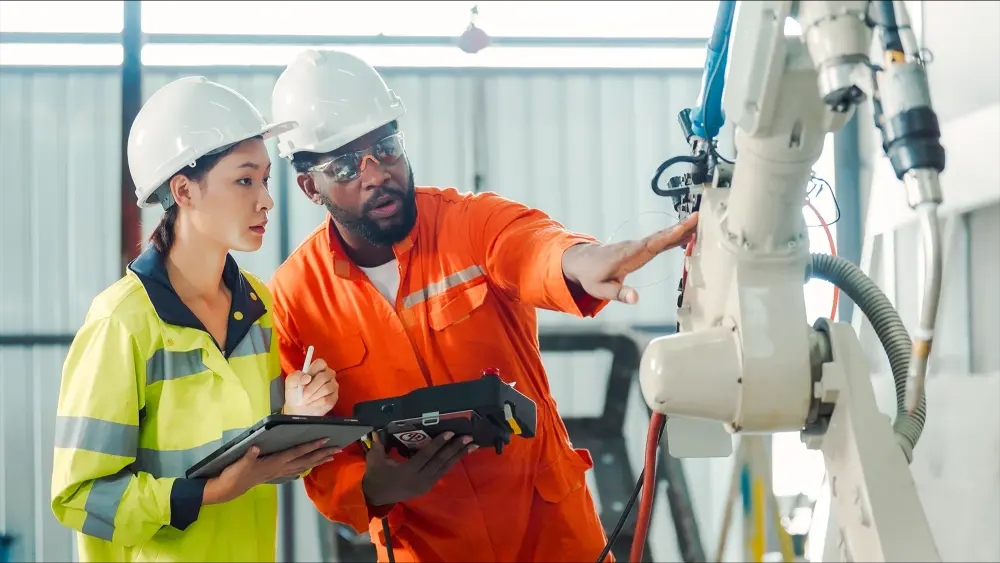
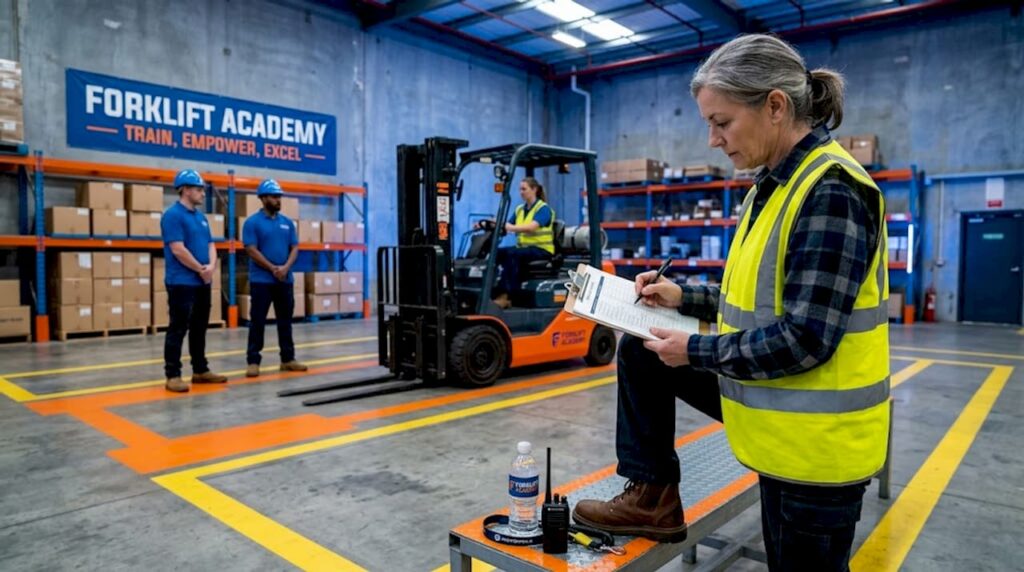
Understanding how to get a forklift license in Arizona is essential for anyone pursuing work in warehouses, construction sites, or logistics operations. OSHA requires operators to complete structured training to ensure safe forklift handling and workplace compliance.

how to get forklift license in alabama

How to Get Forklift License in Alabama

Learning how to get a forklift license in Alabama is essential for anyone seeking employment in warehouses, logistics, or construction. OSHA requires operators to complete certified training that ensures safe handling of industrial equipment in real job environments.

what is a reach forklift truss boom used for

What is a Reach Forklift Truss Boom Used For?

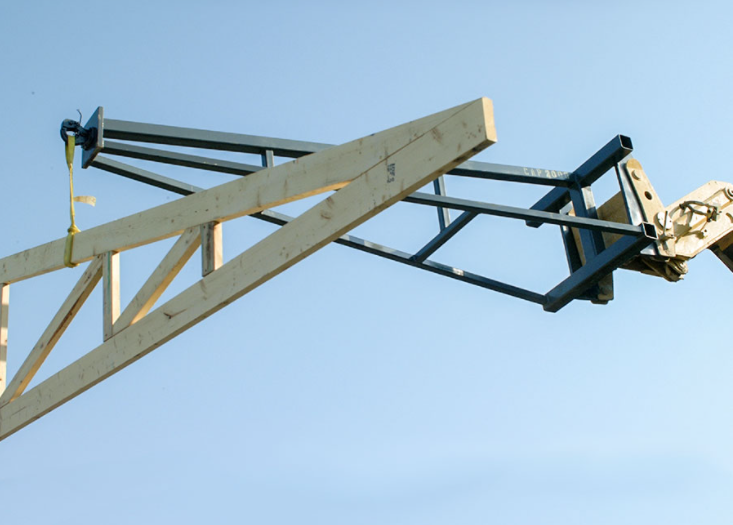
A reach forklift truss boom is a specialized lifting attachment designed to extend the reach and versatility of material handling equipment, allowing forklifts and telehandlers to safely lift roof trusses, steel beams, and elevated construction materials in industrial and construction environments.

how high can a sit down forklift reach​

How high can a sit down forklift reach

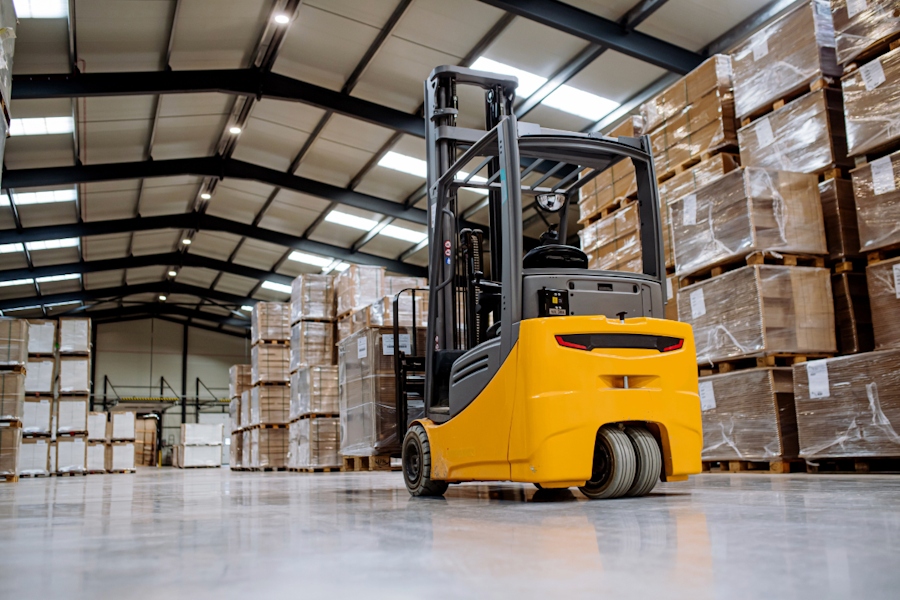
Standard sit-down counterbalance forklifts typically lift between 10 and 20 feet, but specialized models with quad-stage masts can reach 25 to 35 feet for high-bay racking systems. Mast type, load capacity, and battery technology all influence maximum lift height, with higher lifts significantly reducing rated capacity. Triplex masts are ideal for standard warehouse racking up to 20 feet, while quad masts serve taller applications, though operators must consult load charts and prioritize safety to prevent tip-overs. Lithium-ion batteries, as used in modern forklifts, enable taller masts with lighter weight and faster charging, expanding possibilities for elevated storage. For most logistics needs, a 20-foot reach satisfies 90% of handling requirements, but evaluating racking height, clearance, and operator safety is essential for optimizing warehouse efficiency. Always verify load capacity at height and consider reach trucks for applications exceeding 25 feet.

whats the difference between counterbalance and reach forklift​

What’s the difference between counterbalance and reach forklift

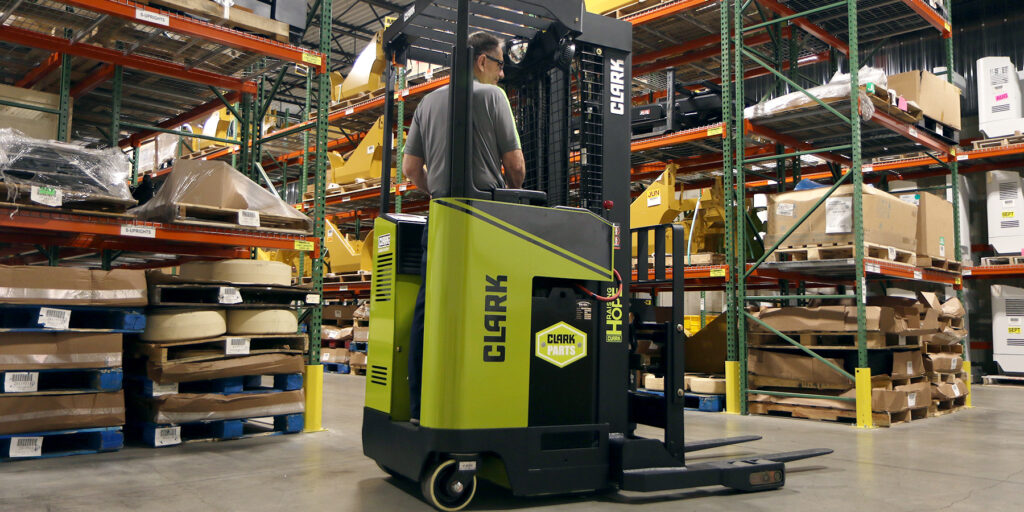
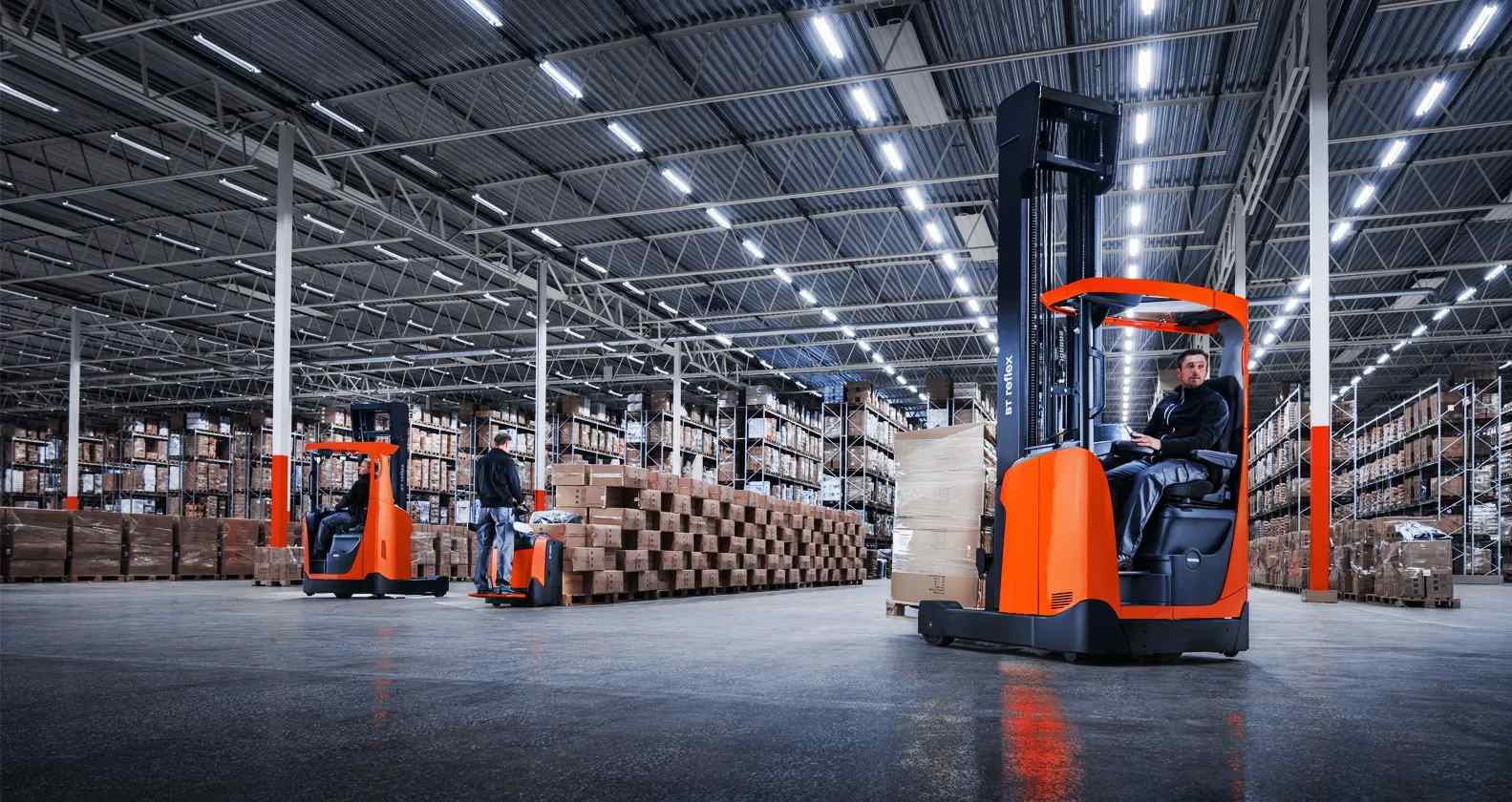
Choosing between a counterbalance forklift and a reach forklift depends on your warehouse layout, lifting needs, and operating environment. Counterbalance forklifts feature a rear counterweight, require wider aisles of 12–14 feet, and handle loads up to 10,000+ pounds on both indoor and outdoor surfaces. Reach forklifts use outriggers and a pantograph mechanism for narrow aisles of 8–10 feet, reaching heights of 30–40 feet, but are limited to indoor use on smooth floors. Counterbalance models offer versatility with electric, LPG, or diesel power, while reach trucks are exclusively electric, maximizing vertical storage in high-density racking. Operator visibility is better on reach trucks, but they require more skill. For cost-effectiveness, counterbalance trucks suit general material handling and truck loading, while reach forklifts deliver ROI in narrow-aisle, high-stack applications. Many facilities benefit from a mix of both. For advanced lithium-ion options, explore the Liftron DL SERIES for fast charging and efficiency.

how to operate a stand up reach forklift

How to operate a stand up reach forklift

Master safe and efficient operation of a stand up reach forklift with this comprehensive guide covering essential controls, pre-operation inspections, and safety protocols for narrow aisle warehousing. Learn to navigate the pantograph reach mechanism, multi-function tiller control, and mast lifting systems designed for spaces as tight as 8-10 feet. The guide details daily inspection checklists for battery, forks, mast chains, and hydraulic lines, plus critical safety practices including operator presence interlocks, pedestrian collision prevention, and tip-over avoidance. Operators gain techniques for precise load positioning using side shift and reach extension, common mistake prevention, and advanced double-deep racking methods. Charging and maintenance procedures cover both lithium-ion and lead-acid models, with manufacturer-specific guidance for modern equipment like the Liftron DL SERIES. Whether training new operators or refining experienced skills, this resource provides actionable procedures to maximize productivity and workplace safety.

how to drive a high reach forklift

How to drive a high reach forklift

Master the operation of high reach forklifts with essential safety protocols, stability insights, and step-by-step procedures for narrow-aisle warehousing. This guide covers pre-operation checks, driving techniques, lifting and stacking methods, load capacity management, and common mistakes to avoid. Learn how to navigate ramps, maintain mast angle, and handle battery charging for electric models like the Liftron DL SERIES. Emphasis is placed on OSHA training requirements, operator certification, and developing key skills such as visual load inspection and smooth joystick control. Properly trained operators can achieve safe, efficient vertical stacking up to 30 feet in aisles as narrow as 8 feet.

how high can a standard forklift reach

How high can a standard forklift reach

Standard forklifts typically reach lift heights of 10 to 20 feet, with tri-stage masts enabling higher stacking while maintaining stability. However, load capacity decreases as height increases, so consulting the load chart is essential. For operations requiring over 20 feet, specialized equipment like reach trucks, turret trucks, and VNA forklifts can lift loads to 40 feet or more, but demand wider aisles and additional training. Factors such as mast type, tire type, and forklift class also determine maximum reach. Safety is critical at height—always use overhead guards, never exceed rated capacity, and ensure loads are secure. The Liftron DL SERIES lithium-ion forklift offers an efficient 20-foot lift height with rapid charging and advanced stability features, ideal for busy warehouses. To choose the right lift height, measure racking systems, account for ceiling clearance and load weight, and consider tri-stage masts for flexibility. Invest in quality equipment to optimize storage space and operational efficiency.

Back to Top
Product has been added to your cart