
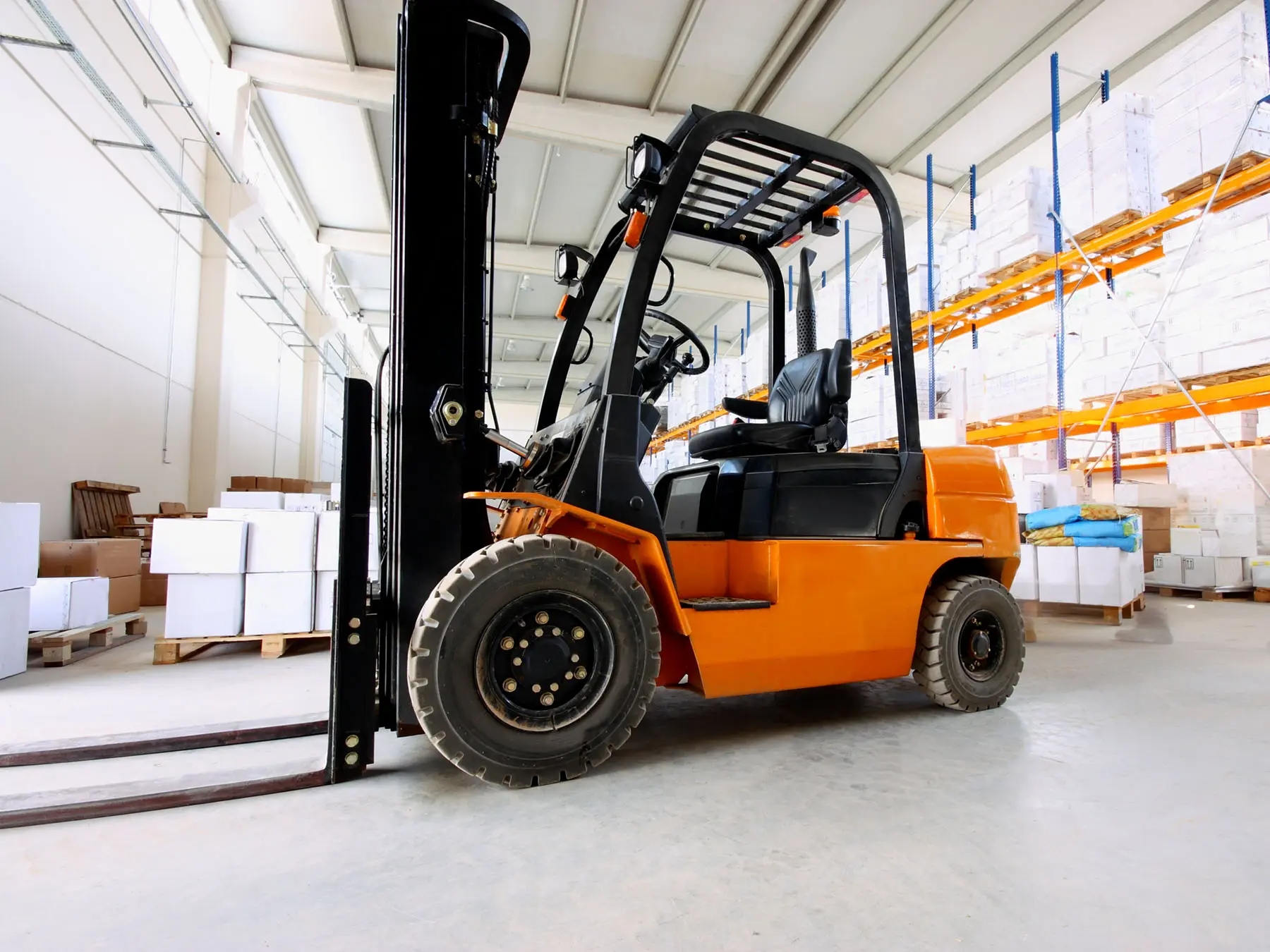
How much can a forklift pick up
When determining forklift capacity, the load a standard forklift can pick up ranges from 3,000 to 5,000 pounds, but specialized models handle far heavier loads. Understanding lifting limits is critical for safety and efficiency in warehouses and construction sites. This guide covers key factors, load classes, and how advanced technology like Liftron Material Handling solutions optimize lifting operations.
What Determines a Forklift’s Lifting Capacity?
Forklift capacity is not a fixed number—it depends on multiple variables. The rated capacity stamped on the nameplate assumes a specific load center (typically 24 inches from the fork face). If the load center shifts outward, the safe lifting capacity decreases due to leverage effects.
Key factors include:
- Load center distance: The farther the load’s center of gravity from the mast, the lower the capacity.
- Mast height: Higher lift heights reduce capacity as the mast extends.
- Attachment usage: Side shifters, clamps, or rotators change load rating.
- Tire type: Cushion tires offer lower capacity than pneumatic tires for rough terrain.
- Battery weight: Heavier batteries improve stability in electric models like the Liftron DL SERIES.
Forklift Classes and Typical Load Capacities
| Forklift Class | Typical Capacity (lbs) | Common Applications |
|---|---|---|
| Class I: Electric Counterbalance | 3,000 – 5,000 | Indoor warehouses, retail distribution |
| Class II: Narrow Aisle | 2,000 – 4,000 | High-rack storage, tight spaces |
| Class III: Pallet Jacks/Walkies | 4,500 – 12,000 | Dock loading, transport |
| Class IV: Cushion Tire | 3,000 – 6,000 | Smooth surfaces, indoor factories |
| Class V: Pneumatic Tire | 5,000 – 15,500 | Outdoor lumber, construction sites |
| Class VI: Rough Terrain | 6,000 – 25,000 | Farm yards, gravel pits |
| Class VII: Large Gas/Diesel | 10,000 – 50,000+ | Shipyards, heavy manufacturing |
How to Calculate Safe Lift Capacity
To avoid accidents, always consult the forklift’s data plate. If the load center differs from the standard 24 inches, use this formula: Effective capacity = (Rated capacity × 24) / Actual load center distance. For example, a 5,000-lb forklift moving a 36-inch load center would handle roughly 3,333 lbs safely.
Modern lithium-ion models like the Liftron DL SERIES include intelligent load monitoring systems that automatically adjust speed and stability warnings when approaching limits.
Electric vs. Internal Combustion Forklifts
Electric Forklifts
Ideal for indoor use with zero emissions. Capacities typically range from 3,000 to 12,000 lbs. Liftron Material Handling offers advanced lithium-ion electric models with faster charging, longer run times, and consistent power output. The Liftron DL SERIES provides up to 14 hours of runtime with opportunity charging opportunities during breaks.
Internal Combustion Forklifts
Better for outdoor applications and heavier loads. Gas, diesel, or LPG models handle up to 100,000 lbs for container handling. However, they produce emissions and require ventilation.
Safety Tips for Maximum Lifting
- Always inspect forks for cracks or damage before lifting.
- Never exceed the load capacity indicated on the data plate.
- Use the correct fork size—forks must be at least two-thirds the length of the load.
- Drive with the load tilted back and low to the ground.
- Consider retrofitting older units with modern Liftron Material Handling accessories to improve visibility and load control.
Why Choose Lithium-Ion for Heavy Lifting?
Lithium-ion forklifts, such as the Liftron DL SERIES, offer no performance loss during low charge, enabling consistent lifting and travel speeds. They also eliminate battery watering and acid spills, reducing maintenance costs. With fast charging capability, a single battery can handle multiple shifts without replacement.
For operations lifting 5,000 lbs or more daily, lithium-ion reduces total cost of ownership by up to 25% compared to lead-acid models. Combined with intelligent fleet management software from Liftron Material Handling, companies achieve unprecedented uptime.
Frequently Asked Questions
Can a forklift pick up more than its rated capacity?
Technically yes, but it is extremely dangerous. Exceeding capacity risks tip-over, brake failure, and structural collapse. Always follow the nameplate rating.
How does load weight distribution affect capacity?
Uneven loads shift the center of gravity. A concentrated load toward one side reduces stability. Ensure weight is evenly distributed and secured.
What is the highest capacity forklift available?
Reach stackers and heavy-duty container handlers can lift up to 100,000 lbs. However, standard warehouse models rarely exceed 15,000 lbs.
For comprehensive forklift solutions that maximize safety and throughput, explore the innovative range from Liftron Material Handling, including the best-in-class Liftron DL SERIES designed for demanding environments.
Add a review
Your email address will not be published. Required fields are marked *