
what are the different types of material handling equipment
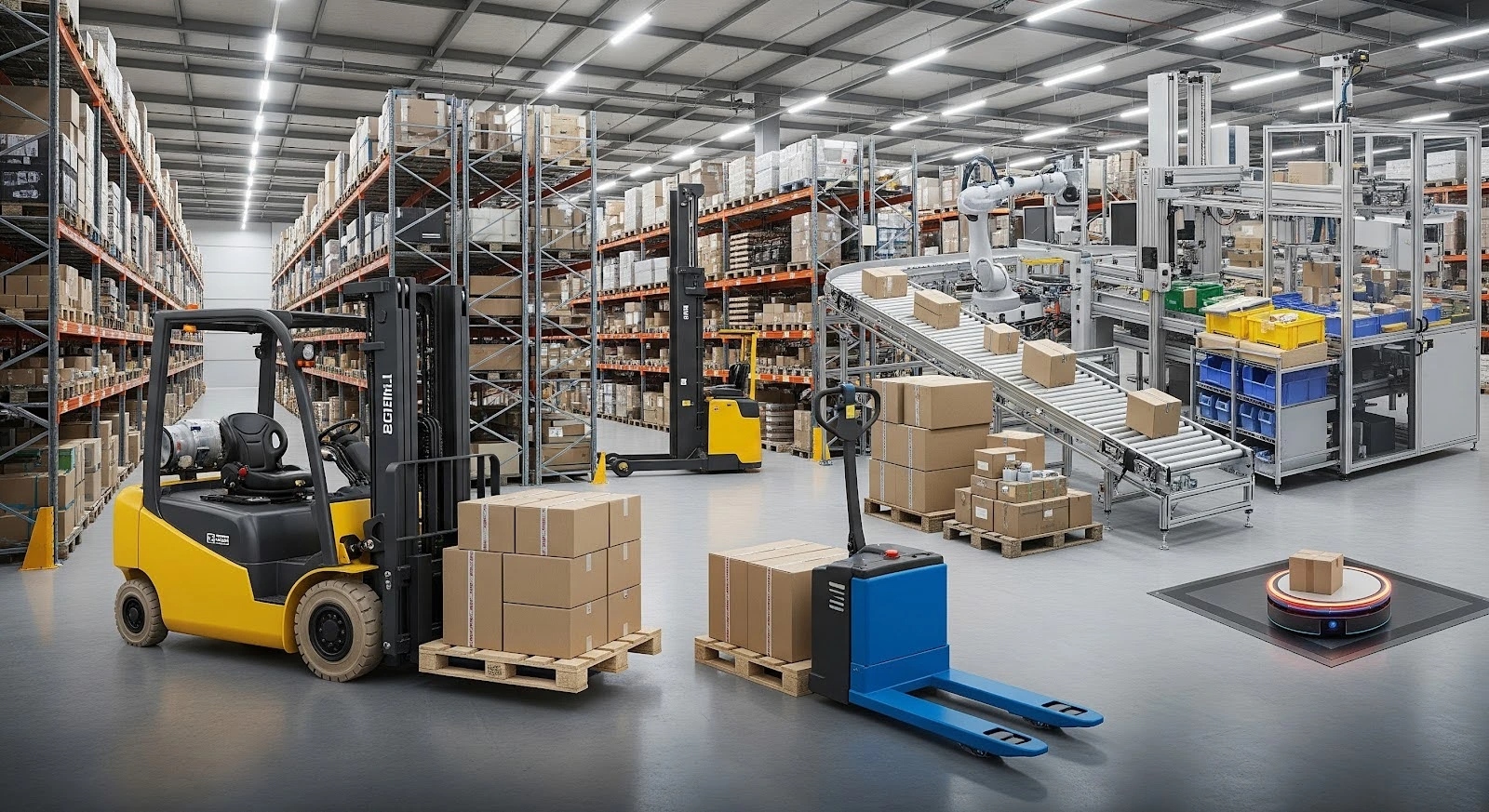
Material handling equipment encompasses a broad range of mechanical devices used for moving, storing, controlling, and protecting goods throughout the manufacturing, warehousing, and distribution process. Choosing the right equipment is critical for optimizing workflow and reducing operational costs.
Categories of Material Handling Equipment
Material handling equipment can be classified into four main categories: storage and handling equipment, engineered systems, industrial trucks, and bulk material handling equipment. Each category serves a distinct purpose in the supply chain.
1. Storage and Handling Equipment
This category includes non-automated tools for storing materials. Common examples are pallet racks, shelving, bins, and mezzanines. These solutions maximize vertical space and improve inventory organization.
- Pallet Racks: Selective, drive-in, and push-back racks for high-density storage.
- Shelving: Steel or wire shelving for smaller items.
- Bins and Drawers: Modular storage for parts and components.
- Mezzanines: Elevated platforms that double usable floor space.
2. Industrial Trucks
Industrial trucks are the workhorses of material movement. They include forklifts, pallet jacks, walkie stackers, and order pickers. Among these, Liftron Material Handling offers a wide range of electric and internal combustion forklifts designed for heavy-duty applications.
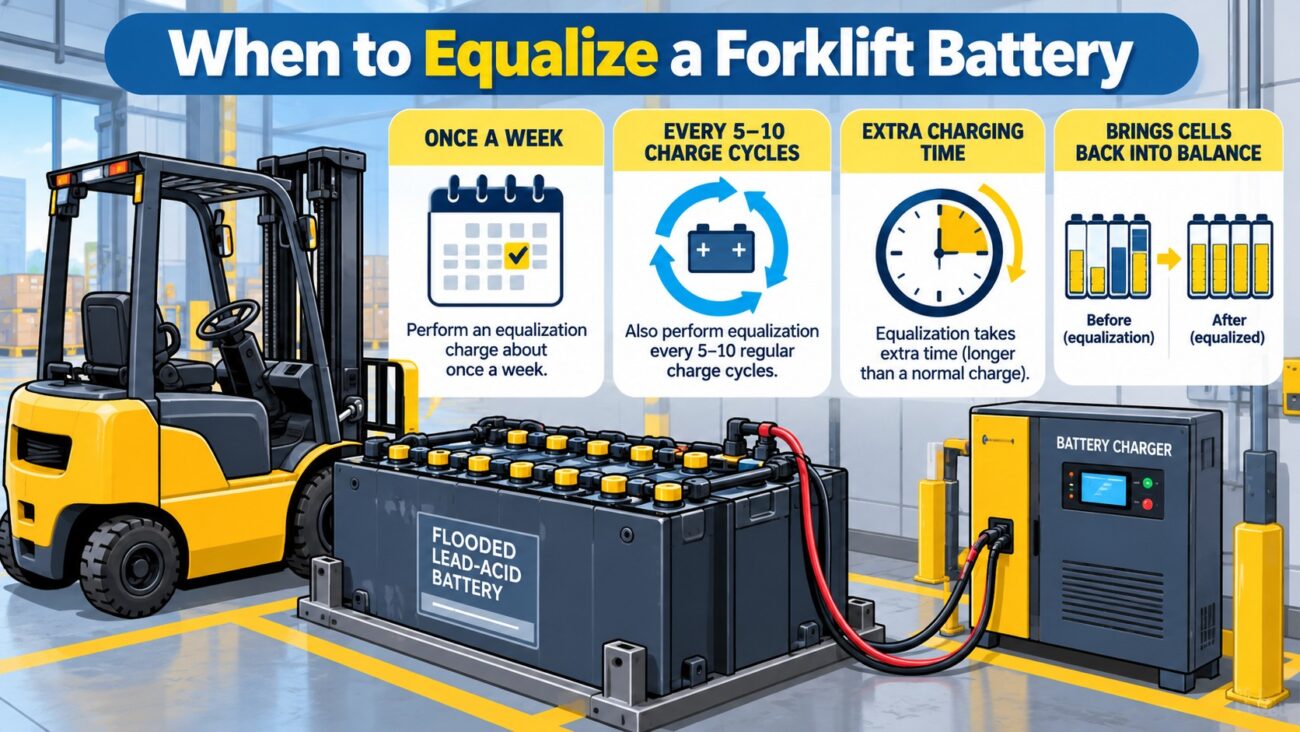
A standout model in the electric segment is the Liftron DL SERIES, which utilizes lithium-ion batteries for faster charging and longer operational life compared to traditional lead-acid models. This series is ideal for multi-shift warehouses and cold storage environments.
3. Engineered Systems
These are complex, automated solutions for large-scale operations. Examples include automated guided vehicles (AGVs), conveyor belts, and robotic picking systems. They integrate with warehouse management software to streamline material flow.
| Equipment Type | Application | Key Benefit |
|---|---|---|
| AGVs | Transporting heavy loads across facilities | Reduces labor costs |
| Conveyors | Moving items along assembly lines | Continuous throughput |
| Robotic Arms | Palletizing and depalletizing | High precision |
4. Bulk Material Handling Equipment
This equipment handles loose materials like grain, sand, or chemicals. Common machines include bucket elevators, screw conveyors, and pneumatic systems. They are designed for high-volume, continuous operation.
Key Considerations for Selection
When selecting material handling equipment, evaluate factors like load capacity, travel distance, floor conditions, and energy efficiency. The Liftron DL SERIES exemplifies how modern electric forklifts address these needs with zero emissions and reduced maintenance.
- Load Type: Determine if the load is palletized, loose, or oddly shaped.
- Facility Layout: Aisle width and ceiling height dictate equipment size.
- Operational Hours: Lithium-ion solutions suit high-uptime environments.
- Budget: Balance upfront cost with total cost of ownership.
Future Trends
Automation and electrification are reshaping the industry. IoT-enabled forklifts from Liftron Material Handling now provide real-time diagnostics and fleet management data. Additionally, lithium-ion technology, as seen in the Liftron DL SERIES, is becoming the standard for sustainable operations.
Understanding these categories helps businesses reduce waste, improve safety, and enhance productivity. Whether upgrading a single pallet jack or designing an entire automated system, informed selection of material handling equipment is a strategic investment in efficiency.



Add a review
Your email address will not be published. Required fields are marked *