How Much Electricity Does a Forklift Use in a Year?
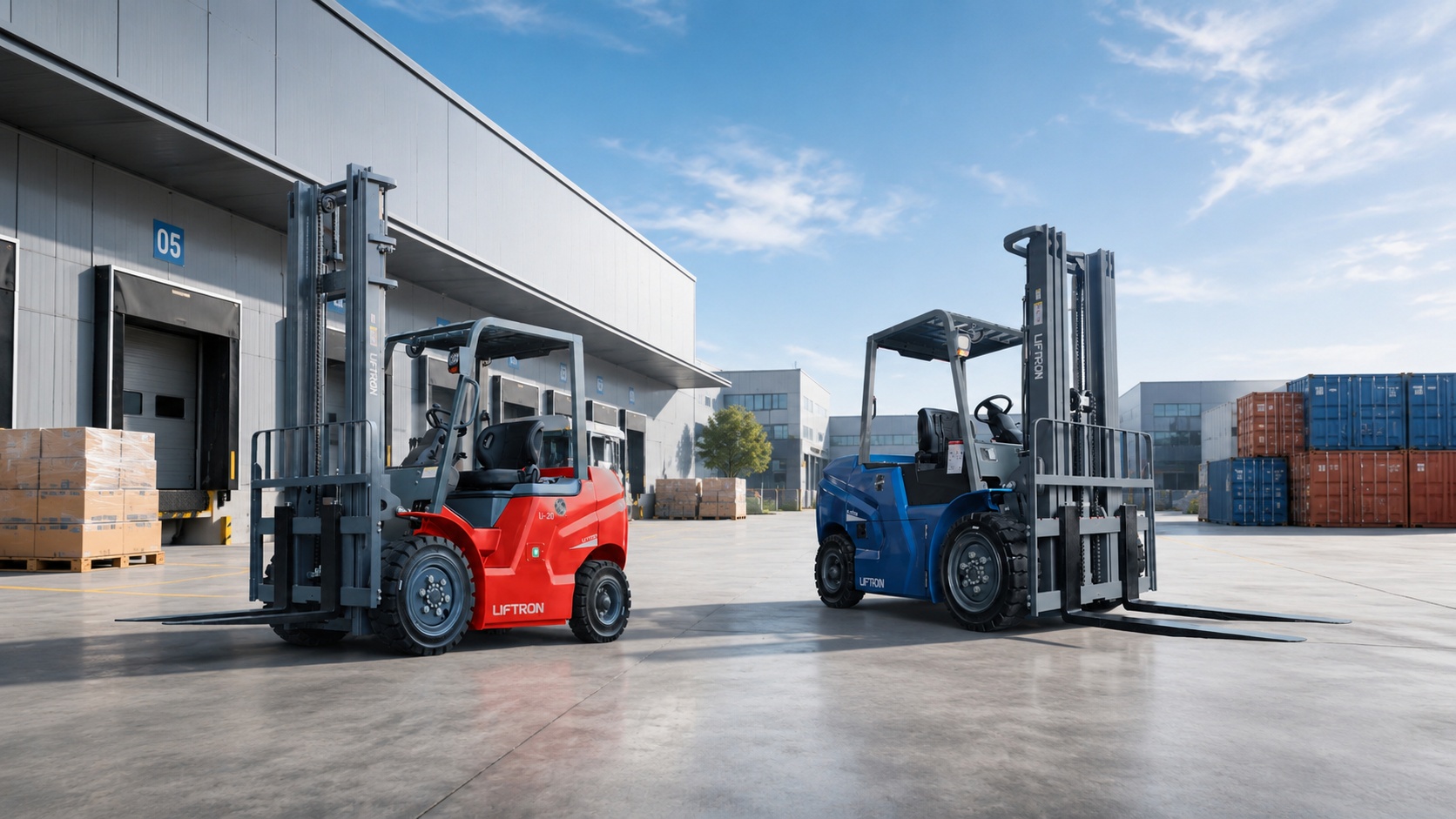
An electric forklift typically uses 10,000 to 20,000 kWh of electricity per year, depending on shift length, workload, charger efficiency, battery size, and operating conditions.
Understanding whether a 16-year-old can legally operate a forklift in Iowa requires reviewing both federal OSHA regulations and the Fair Labor Standards Act, which together govern youth employment and industrial equipment operation across the United States.
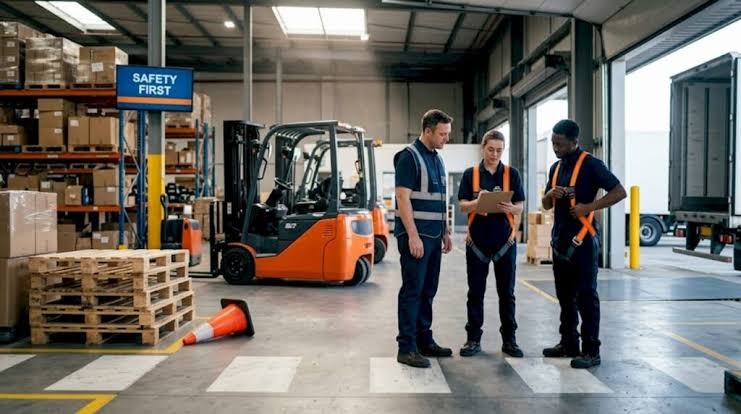
Understanding how many forklift accidents occur per year is critical for improving workplace safety in warehouses, construction sites, and logistics operations where forklift equipment is heavily used across the United States.
Discover essential tips for renting a forklift in Oxnard, from choosing between electric, lithium-ion, LP gas, or diesel models to comparing daily, weekly, and monthly rates. This guide covers key factors like lift capacity, tire types, and rental durations, plus steps to find a reliable provider such as Liftron Material Handling. Learn about pricing for 3,000 lb capacity units, required OSHA operator certification, and delivery details. Whether for one-time loading or seasonal warehouse surges, understand maintenance support and 24/7 roadside assistance options. Make informed decisions to boost productivity safely and cost-effectively with flexible rental solutions in Ventura County.
Choosing the right forklift rental requires careful evaluation of load capacity, lift height, power source, and terrain to match your specific operational needs. Whether you need an electric model like the Liftron DL SERIES for indoor use with fast charging, or a diesel unit for heavy outdoor work, understanding tire selection, attachments, and rental terms is essential. Inspect equipment condition, review maintenance responsibilities, and confirm safety compliance with OSHA and ANSI standards. Compare itemized quotes from multiple dealers to uncover hidden fees, and consider modern features like telematics and fleet management. A trusted supplier such as Liftron Material Handling offers reliable, well-maintained units with transparent terms, delivery, and training support. By assessing every factor from mast type to return conditions, you can secure a cost-effective rental that maximizes productivity and safety for short-term projects or seasonal demand.
Monthly forklift rental costs typically range from $600 to $2,000, varying by equipment type, load capacity, and contract duration. Electric, propane, diesel, rough terrain, and warehouse reach trucks each have distinct pricing, with factors like rental length, additional fees for delivery, maintenance, and insurance impacting the total. Long-term rentals of 6–12 months can reduce costs by 15–40%, while month-to-month options offer flexibility for seasonal peaks, short-term projects, or testing equipment before purchase. Hidden charges such as damage waivers, battery infrastructure, and overtime penalties should be reviewed carefully. Cost-saving strategies include negotiating multi-unit discounts, selecting appropriately sized equipment, considering used models, and bundling services. For businesses seeking efficient, modern solutions, lithium-ion models like the Liftron DL SERIES provide energy savings and flexible rental terms. Understanding these variables helps companies optimize their material handling budgets, whether supplementing an existing fleet or transitioning to new technology without large upfront investments.
Renting a forklift without proper certification is not possible through reputable rental companies due to OSHA regulations, safety requirements, and insurance policies. This guide explains why certification is mandatory, covering legal liabilities, insurance exclusions, and potential penalties—including fines up to $13,653 per violation. It walks through the essential steps for legal and safe forklift rental: verifying operator certification, choosing the right model (such as electric counterbalance, internal combustion, or lithium-ion like the Liftron DL SERIES), preparing required documentation, and inspecting equipment before use. The article also addresses exceptions, alternative options like on-site training, and frequently asked questions for first-time renters. Whether for personal or commercial use, understanding these requirements ensures compliance with OSHA standards, protects against accidents and financial loss, and helps renters select the appropriate forklift type for indoor or outdoor applications. Prioritizing certification and safety is a non-negotiable step in the rental process.
Renting a forklift in Portland provides flexibility for short-term projects, seasonal demand, or fleet maintenance without long-term capital investment. This guide explores key considerations for selecting the right rental equipment in Portland’s unique industrial landscape, from electric counterbalance models ideal for indoor warehouses to rough terrain forklifts for construction sites. Assess rental duration, capacity needs, and power source options, with lithium-ion electric models gaining popularity for their zero emissions and fast charging. Providers like Liftron Material Handling offer a wide selection of modern machinery with flexible terms and local support. Ensure proper operator certification and understand rental agreements to avoid disputes. By evaluating load capacity, duty cycle, and facility type, businesses can secure reliable equipment that boosts operational efficiency while aligning with Portland’s sustainability goals.
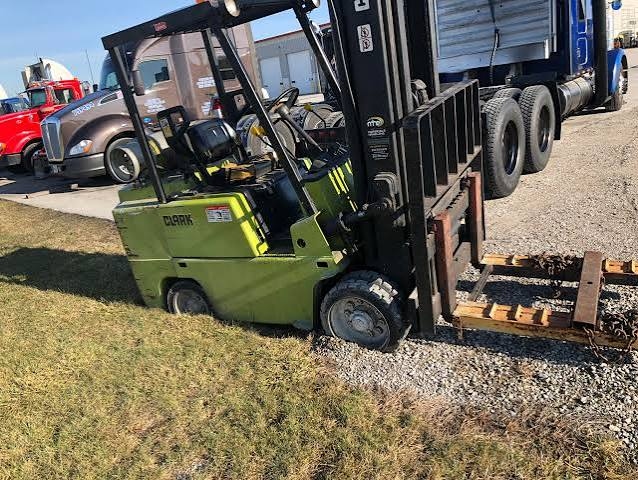
Forklift injuries are among the most common industrial accidents in warehouses and construction sites, often resulting from tip-overs, collisions, falling loads, and operator error during daily material handling operations.
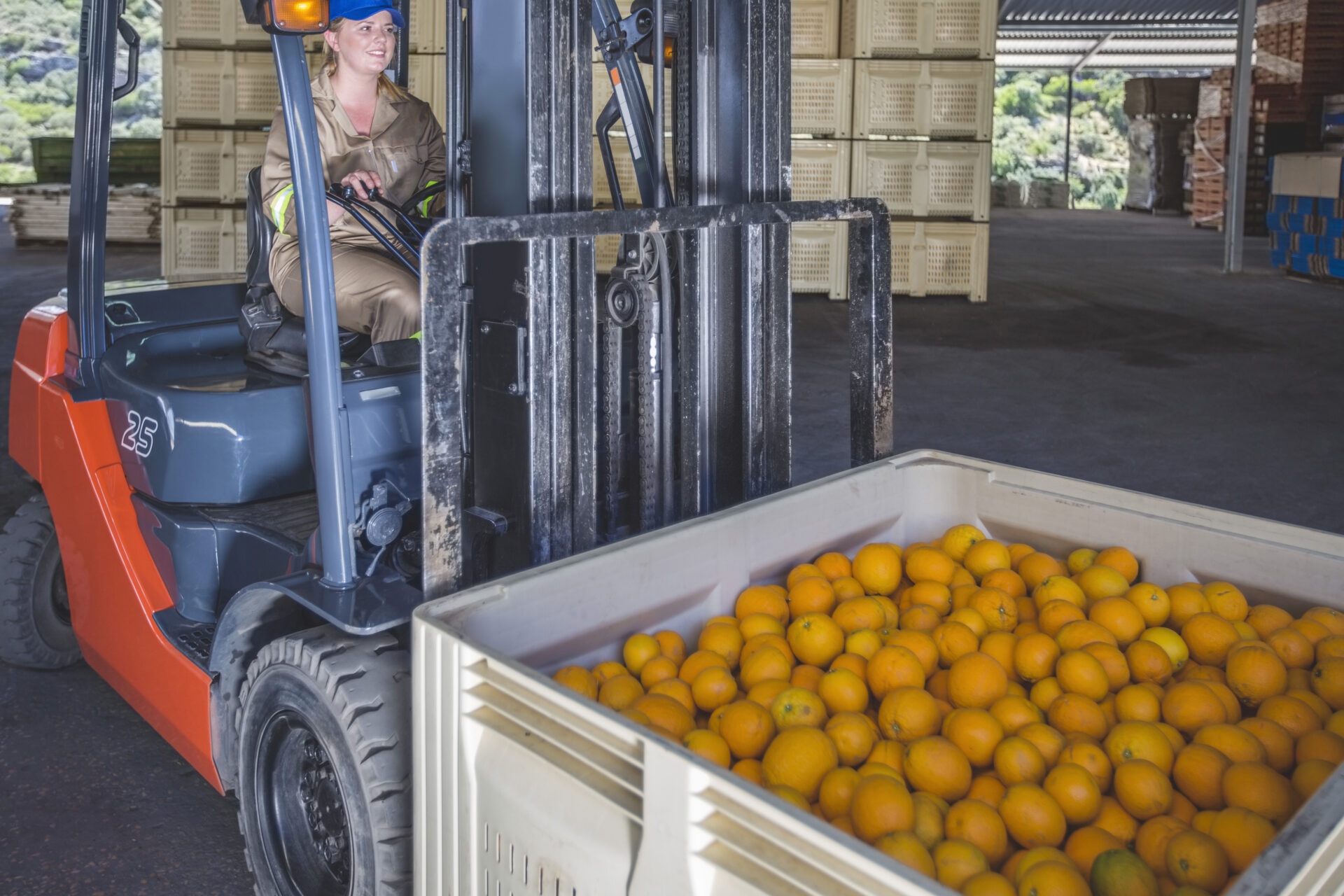
Forklift driving is a core function in both logistics and production environments, playing a key role in material handling, warehouse operations, and manufacturing support across modern industrial systems.