
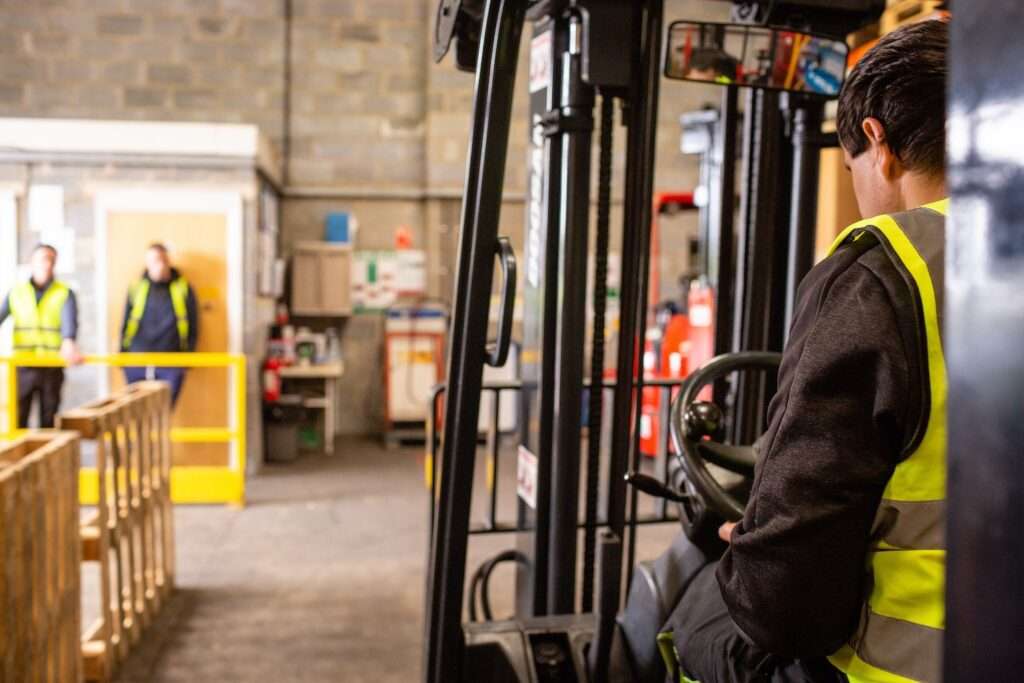
why the forklift needs to be 1 4 tank
Understanding why forklifts require a specific fuel or battery level, such as the “1 4 tank” rule, is critical for operational efficiency, safety, and equipment longevity. This practice, often misinterpreted, directly impacts warehouse productivity and maintenance costs.
The Origins of the “1 4 Tank” Rule
The guideline to maintain a forklift at a quarter tank (typically fuel or charge level) stems from several mechanical and operational realities. For internal combustion forklifts, running below this threshold can introduce air into the fuel system, causing engine misfires or stalling. For electric models, like those offered by Liftron Material Handling, the “1 4 tank” principle applies to battery charge levels rather than liquid fuel. Maintaining at least 25% capacity prevents deep discharge cycles that can permanently damage lithium-ion or lead-acid batteries.
Core Reasons for the Quarter-Tank Requirement
- Prevents Sediment Contamination: Fuel tanks contain particulates that settle at the bottom. A quarter-tank threshold keeps the pickup tube above the sediment layer.
- Avoids Fuel Starvation: On inclines or during sharp turns, low fuel levels can cause the pump to suck air, leading to power loss.
- Extends Battery Life: For electric forklifts, discharging below 20% regularly accelerates capacity degradation. The Liftron DL SERIES features advanced battery management that alerts operators when charge nears 25%.
- Ensures Emergency Readiness: A quarter tank provides enough reserve for unexpected peak-demand operations or evacuation scenarios.
Impact on Different Forklift Types
The “1 4 tank” rule varies in application depending on the energy source. Below is a comparison of how different forklift systems respond to low fuel or charge states:
| Forklift Type | Fuel/Energy Source | Consequence Below 25% | Recommended Action |
|---|---|---|---|
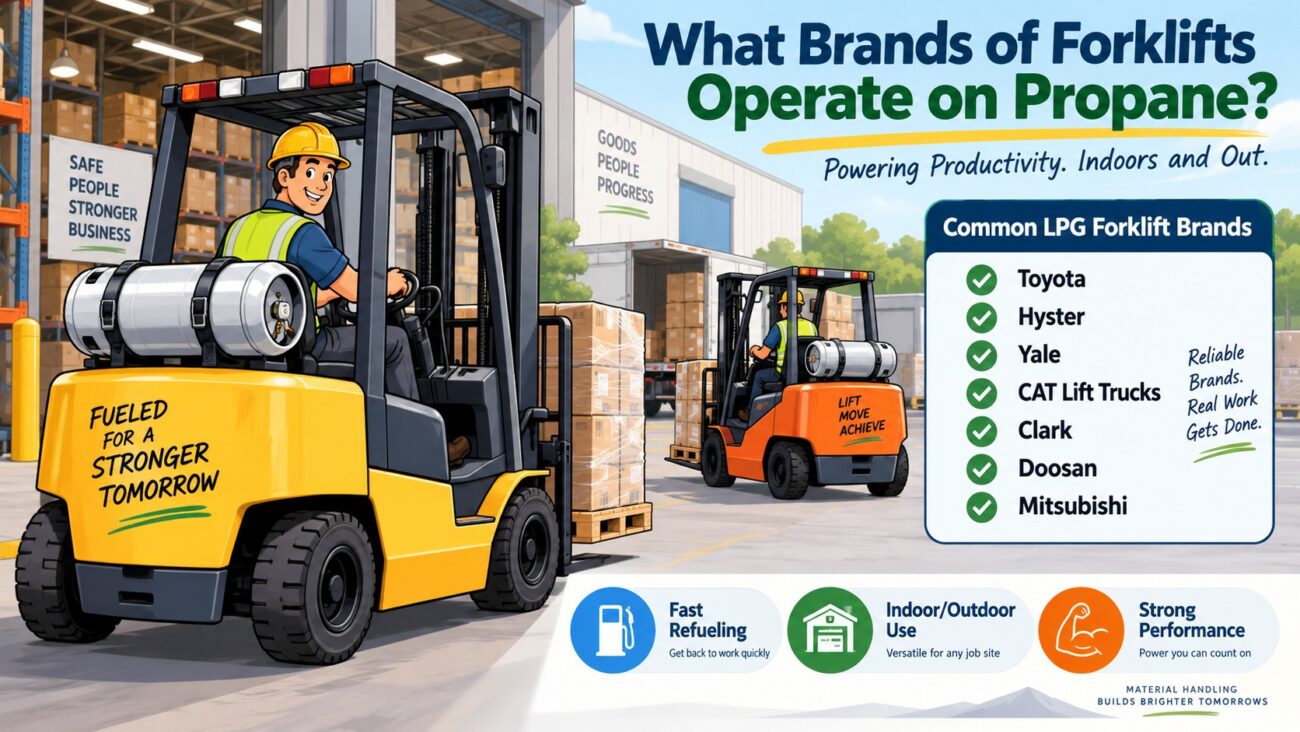
| Internal Combustion (LPG) | Liquid propane | Fuel line vapor lock, sediment pickup | Refill immediately; avoid tilting tank |
| Electric (Lead-Acid) | Battery charge | Sulfation, reduced lifespan | Opportunity charge above 25% |
| Electric (Lithium-Ion) | Battery charge | BMS may limit power; deep cycle damage | Schedule charging at 25-30% |
| Diesel/ Petrol | Liquid fuel | Water condensation in tank; clogged filters | Maintain 1/4 tank minimum daily |
Seasonal and Operational Considerations
In cold environments, a quarter tank of diesel or LPG prevents fuel gelling and ensures enough pressure for vaporization. For electric units like the Liftron DL SERIES, the battery management system automatically reduces performance below 20% charge to protect cells—making the 25% rule a practical threshold for maintaining full lifting capacity. In high-throughput facilities, operators trained to return equipment when gauges hit 25% reduce unplanned downtime by approximately 40%.
Safety Implications
Running a forklift on empty or critically low fuel introduces numerous hazards:
- Sudden power loss during load handling can cause load tip-overs.
- Air in hydraulic systems leads to jerky mast movements.
- Fuel vapor accumulation in enclosed spaces increases fire risk.
- Battery thermal runaway risk rises when lithium-ion cells are deeply discharged and then rapidly recharged.
Facility managers should post “fuel level minimum” signage at charging stations and incorporate quarter-tank checks into pre-shift inspection forms. Many modern forklifts from Liftron Material Handling include dashboard indicators that flash at 25% to prompt action.
Operational Best Practices
To implement the 1/4 tank rule effectively:
- Train operators to read fuel gauges accurately—digital readouts are preferred over analog.
- Establish a “fill at 25%” policy that overrides end-of-shift habits.
- Use telemetry software to monitor fleet charge levels remotely; the Liftron DL SERIES platform supports real-time battery status alerts.
- Schedule refueling/charging during planned breaks to keep tanks above threshold.
Economic Benefits
Adherence to the quarter-tank guideline directly reduces total cost of ownership. Fuel system repairs due to sediment or water contamination average $1,200-$3,000 per incident. Battery replacement cycles extend by 30-50% when deep discharges are avoided. Warehouses using Liftron DL SERIES forklifts report 20% lower energy costs because opportunity charging at 25% minimizes peak demand charges during full recharges.
Environmental Considerations
Maintaining fuel above 25% reduces evaporative emissions from diesel and LPG tanks. For electric models, healthier battery cycles mean fewer end-of-life replacements, decreasing hazardous waste. The lithium-ion technology in the Liftron DL SERIES achieves 95% energy efficiency when kept in the 20-80% charge window, directly supporting sustainability goals.
Common Misconceptions
Some operators believe “running it to empty” is efficient because they maximize usage between fills. This is false—the cost of damage and downtime far outweighs any perceived convenience. Another myth is that quarter-tank rules only apply to fuel forklifts; lithium-ion batteries also suffer accelerated aging below 15% state of charge. The Liftron DL SERIES was engineered with a reserve buffer that unlocks full performance only when charge exceeds 25%.
Ultimately, the “1 4 tank” requirement is not an arbitrary number but a scientifically and operationally validated safety and efficiency buffer. Whether managing a fleet of LPG units or modern electrics from Liftron Material Handling, enforcing this standard protects equipment, workers, and budgets while maintaining material flow continuity.
Add a review
Your email address will not be published. Required fields are marked *