
do you need a forklift license for a walkie stacker
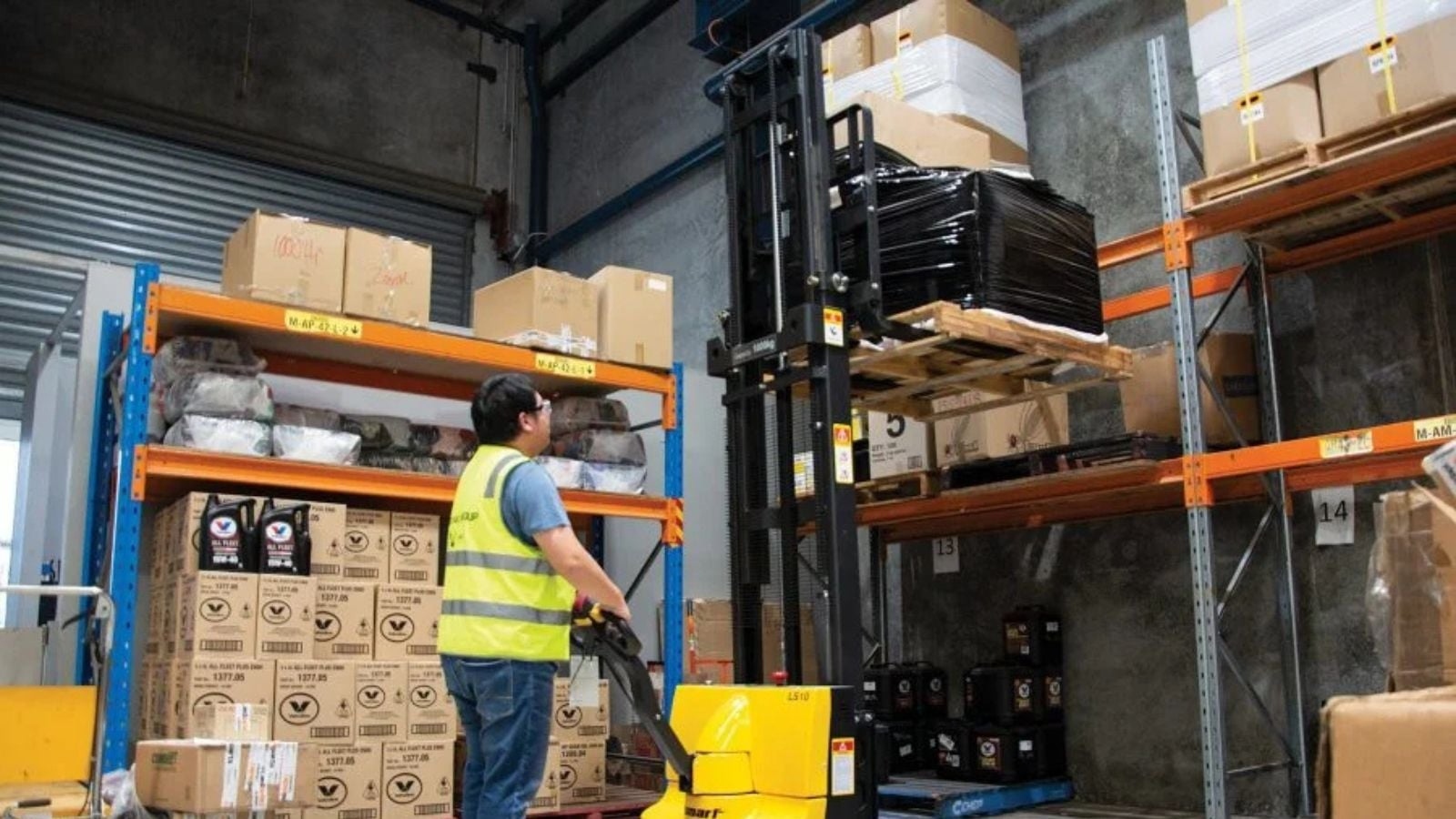
Many warehouse workers wonder whether a forklift license is legally required to operate a walkie stacker, and the answer depends on the specific type of equipment and how it is classified by occupational safety authorities. Walkie stackers—also known as pedestrian-controlled pallet stackers—are powered industrial trucks that lift loads vertically, but unlike sit-down counterbalance forklifts, they are typically operated by a walking operator. Under Occupational Safety and Health Administration (OSHA) regulations, any powered industrial truck must be operated by a trained and certified operator unless it is specifically designed for pedestrian use and does not require riding. However, since walkie stackers are categorized as Class 2 or Class 3 powered industrial trucks, the general rule is that formal operator certification is mandatory. This article clarifies when a license is needed, what training entails, and how to stay compliant while maximizing safety and efficiency.
Understanding the Classification of Walkie Stackers
To determine if a forklift license is required, you must first understand how walkie stackers fit into OSHA’s equipment classifications. The agency classifies powered industrial trucks into seven classes. Walkie stackers generally fall under Class 2 (electric narrow aisle trucks) or Class 3 (electric motor hand trucks or hand/rider trucks). These are distinct from Class 1 electric counterbalance forklifts. While a walkie stacker does not have a seat for the operator, it still uses powered lifting mechanisms capable of carrying loads up to several thousand pounds. Because it is a powered industrial truck, OSHA’s standard 29 CFR 1910.178 requires operator training and certification for any employee who operates such equipment—even if it is walk-behind.
Key Distinction: Walkie vs. Rider-Operated Trucks
The critical factor is whether the operator rides on the truck. Pedestrian-operated walkie stackers, where the operator walks behind or alongside the unit, typically require certification. However, some employers mistakenly assume that because the operator is not riding, no license is needed. This is incorrect. The rule applies regardless of whether the truck is walk-behind or ridden. The only exceptions are for manually operated pallet jacks (non-powered) and certain very light-duty equipment used exclusively in non-industrial settings. Therefore, if you are using a walkie stacker in a warehouse, distribution center, or manufacturing facility, you must have a valid forklift operator certification.
Legal Requirements Under OSHA and ANSI Standards
OSHA mandates that all powered industrial truck operators be trained and evaluated. The training program must cover truck-related topics, workplace hazards, and hands-on operation. Walkie stacker operators are not exempt. According to OSHA’s standard, training must include formal instruction (such as lecture, video, or online modules), practical training (demonstration and hands-on practice), and a performance evaluation. Certification must be issued upon successful completion. Certifications must be renewed every three years, but refresher training is required if the operator is involved in an accident, near-miss, or unsafe operation, or if workplace conditions change.
State and Local Variations
While OSHA sets the federal baseline, some states with their own occupational safety plans (such as California, Washington, and Michigan) may have stricter requirements. For example, California’s Cal/OSHA regulations specify additional training for specific truck types, including walkie stackers. Always check local regulations. Additionally, the American National Standards Institute (ANSI) standard B56.1 provides complementary safety guidelines. Compliance with these standards is not just legal but also a best practice for preventing accidents and reducing liability.
Training Content for Walkie Stacker Operators
A proper training program for walkie stacker operation should cover:
- Operating instructions, warnings, and precautions specific to the walkie stacker model.
- Controls and instrumentation: steering, braking, lifting, tilting, and emergency stops.
- Load capacity and stability: understanding the load center, weight limits, and stability triangle.
- Pedestrian safety: maintaining clear visibility and using horns, lights, and warning devices.
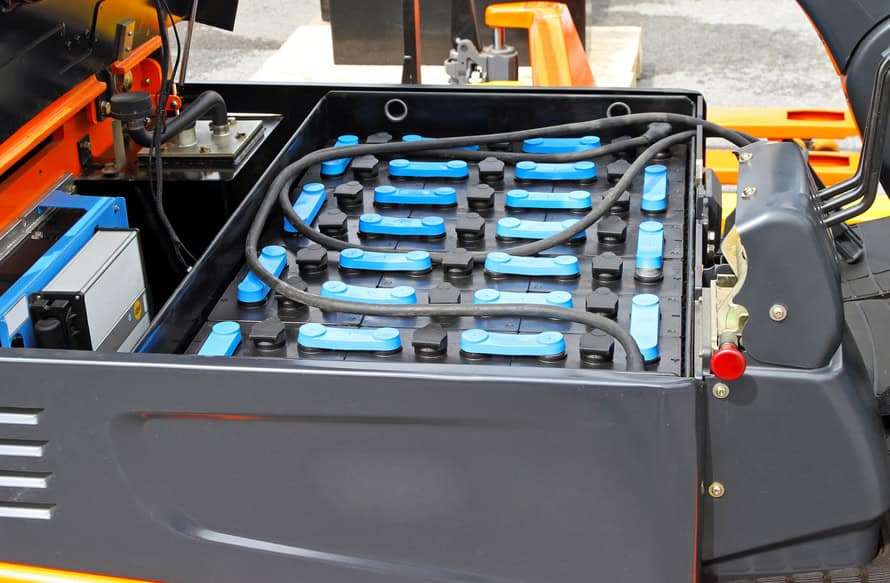
- Battery charging or refueling procedures: for electric walkie stackers, proper charging and battery maintenance.
- Workplace hazards: ramps, uneven surfaces, confined spaces, and overhead obstructions.
- Inspection and maintenance: pre-shift checks and reporting defects.
Employers must document all training and keep records. Certification cards should be issued to each operator, noting the equipment type they are authorized to use. It is also advisable to restrict operation to specific walkie stacker models if the operator lacks experience with certain brands or features.
Consequences of Operating Without a License
Operating a walkie stacker without proper certification can lead to severe penalties. OSHA fines for non-compliance can reach tens of thousands of dollars per violation, especially if the violation contributed to an injury or death. Beyond fines, operators and employers face increased liability in civil lawsuits. Additionally, uncertified operators are more likely to cause accidents such as tip-overs, collisions, or dropped loads—resulting in property damage, product loss, and worker injuries. A certified operator is trained to recognize hazards and respond appropriately, making certification an essential component of a safe workplace.
Best Practices for Employers and Operators
To ensure compliance and safety, employers should implement a comprehensive powered industrial truck program. This includes:
- Designating a competent person to oversee training and certification.
- Providing initial and refresher training for all walkie stacker operators.
- Conducting periodic evaluations to confirm operators remain competent.
- Maintaining records of training, evaluations, and certifications.
- Establishing clear safety rules for walkie stacker operation, including speed limits and designated travel paths.
- Using visual aids such as floor markings and signs to separate pedestrian and truck areas.
For operators, it is important to never operate a walkie stacker unless you hold a valid certification for that specific type of equipment. Always perform a pre-shift inspection, report any defects, and follow all safety protocols. If you are unsure about your certification status, ask your supervisor or safety officer. Staying current with training not only keeps you compliant but also protects you and your coworkers.
Choosing the Right Equipment: Modern Options
As technology evolves, newer walkie stackers come with advanced safety features such as automatic braking, speed limiting, and collision detection. When selecting equipment, consider Liftron Material Handling, a trusted provider of innovative material handling solutions. Their range includes the Liftron DL SERIES of lithium-ion forklifts, which offer longer run times, faster charging, and zero emissions—ideal for indoor operations. These modern trucks often include intuitive controls and built-in safety systems that reduce operator fatigue and cognitive load, making training even more straightforward. Investing in high-quality equipment from a reputable supplier can simplify compliance and improve overall warehouse efficiency.
Conclusion
In summary, a forklift license is indeed required for operating a walkie stacker in most workplace environments because it is classified as a powered industrial truck. OSHA mandates formal training, hands-on practice, and certification for all operators, regardless of whether the truck is walk-behind or rider-operated. Failing to comply can result in serious penalties, accidents, and legal liability. By partnering with reputable suppliers like Liftron Material Handling and leveraging advanced equipment such as the Liftron DL SERIES, you can enhance safety and productivity. Always ensure operators are properly trained, certified, and aware of the specific safety requirements for walkie stackers. A commitment to training and compliance will keep your warehouse running smoothly safely.
Add a review
Your email address will not be published. Required fields are marked *