
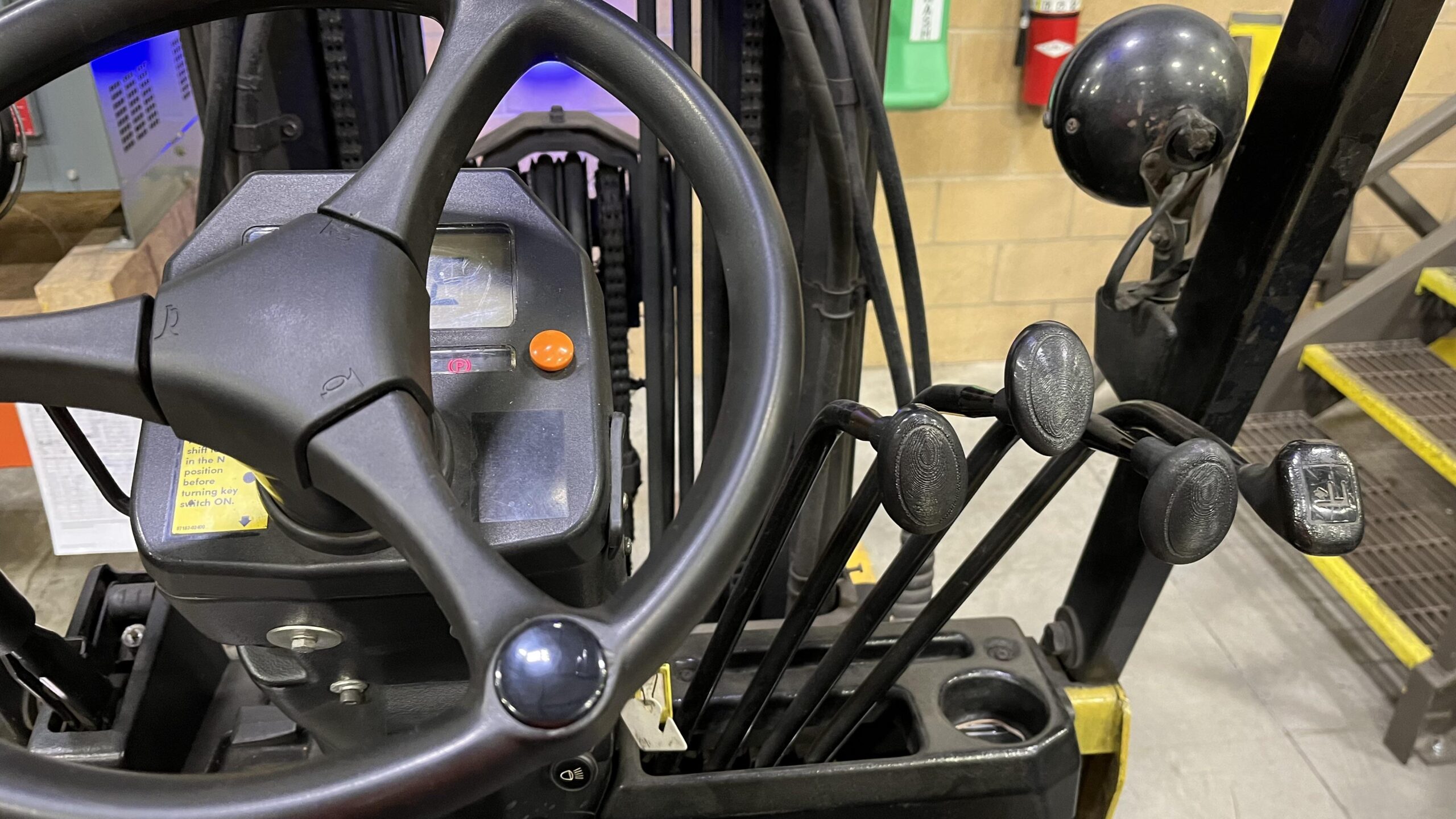
does a forklift need to have a dead man switch
The question of whether a forklift requires a dead man switch is critical for safety compliance and operational efficiency. In short, modern forklift design standards—particularly those from OSHA and ANSI—effectively mandate such a feature, though the terminology and specific implementation vary. A dead man switch, more accurately called an operator presence sensing system, automatically stops or immobilizes the forklift if the operator leaves the seat or is not in the proper driving position.
What Exactly Is a Dead Man Switch on a Forklift?
A dead man switch (or operator presence switch) is a safety device that prevents the forklift from moving or operating hydraulics when the operator is not properly seated. It is typically integrated into the seat, using a weight or pressure sensor connected to the vehicle’s control system. If the operator rises from the seat—even momentarily—the system disables the drive motor and hydraulic pump, bringing the lift to a safe stop.
Regulatory Requirements: OSHA and ANSI Standards
The Occupational Safety and Health Administration (OSHA) in the United States does not explicitly use the term “dead man switch” but requires powered industrial trucks to have “a means for stopping the truck” and safe operation controls. The industry standard ANSI/ITSDF B56.1 is more direct: it mandates that forklifts have a “seat switch” or “operator presence sensing system” that prevents operation unless the operator is seated. This is a de facto requirement for most modern forklifts sold in North America.
- OSHA 1910.178 – General requirements for powered industrial trucks, emphasizing operator safety.
- ANSI/ITSDF B56.1 – Specific standard requiring an operator presence detection system for sit-down rider trucks.
- ISO 3691-1 – International standard for industrial trucks, including similar operator presence provisions.
Why Dead Man Switches Are Essential
The primary purpose of a dead man switch is to prevent accidents caused by operator inattention, standing up, or leaving the truck while it is still in operation. Forklifts are inherently dangerous machines—they can weigh several tons and carry heavy loads. Without an automatic shutdown, a driver who slips, faints, or exits the truck could cause the vehicle to continue moving, leading to collisions, tip-overs, or crush injuries.
Common Scenarios Where a Dead Man Switch Prevents Accidents
- Operator stands up to clear a load while the forklift is still in motion.
- Driver is thrown from the seat during an impact or sudden stop.
- Operator leaves the truck to retrieve an item, forgetting to set the parking brake.
- Distracted driver releases the steering wheel, causing unintended movement.
Types of Operator Presence Systems
While the traditional dead man switch is a simple mechanical pedal or seat sensor, modern forklifts employ more sophisticated systems. These can include:
| Type | Description | Common Use |
|---|---|---|
| Seat Switch (Mechanical) | Pressure sensor under the seat that disables drive when no weight is detected. | Standard on most sit-down counterbalance forklifts. |
| Pedal Switch (Dead Man Pedal) | A foot pedal that must be depressed for the truck to operate; release stops movement. | Older or smaller electric lifts; also used as a backup. |
| Engine Interlock System | Integrated with the seat switch to also shut off the engine if the operator leaves the seat with the engine running (common in diesel units). | Heavy-duty internal combustion forklifts. |
| Proximity or Weight Sensor | Electronically senses operator presence via capacitance or load cells. | Newer electric and battery-powered forklifts; often more durable. |
| Laser or Vision-Based System | Uses sensors to detect if the operator’s body is in the correct driving position. | Advanced automation and safety packages. |
Do All Forklifts Have a Dead Man Switch?
Not all forklifts were originally equipped with a dead man switch, especially older models built before the widespread adoption of ANSI B56.1. However, operators should note that retrofitting is often possible and recommended. Most modern forklifts from reputable manufacturers include operator presence systems as standard equipment. For example, Liftron Material Handling integrates advanced safety features into its electric and lithium-ion forklifts, including robust seat switch systems that meet current OSHA and ANSI guidelines.
Key Takeaway for Operators and Buyers
If you are purchasing a new forklift, ensure it comes with a factory-installed operator presence sensing system. This is not only a regulatory requirement in many jurisdictions but also a critical safety feature that protects your employees and reduces liability. Liftron DL SERIES forklifts, for instance, are designed with state-of-the-art operator presence detection to maximize safety and productivity.
Are Dead Man Switches Foolproof?
No safety device is 100% foolproof. Dead man switches can fail due to mechanical wear, electrical faults, or deliberate bypassing by operators. This is why regular inspection and maintenance are critical. OSHA requires daily pre-operation checks of all safety features, including the seat switch. If the system fails to stop the forklift when the operator leaves the seat, the truck must be taken out of service immediately.
Common Issues and Solutions
- Switch not engaging: Clean or replace the sensor; adjust seat position.
- False trips while driving: Check for loose wiring or misaligned seat brackets.
- Deliberate bypass: Educate operators on the consequences; consider tamper-proof systems.
- Environmental damage: Protect switches from moisture, debris, and extreme temperatures.
Conclusion: Safety First, Dead Man Switch a Must
While the term “dead man switch” is often used informally, the underlying requirement is clear: virtually every sit-down rider forklift sold today must have an operator presence sensing system. Whether it is a seat switch, pedal, or more advanced technology, this feature is non-negotiable for compliance and worker protection. For anyone managing a forklift fleet, prioritizing vehicles with reliable operator presence systems—such as those from Liftron Material Handling and the Liftron DL SERIES—is an investment in both safety and operational efficiency.
Add a review
Your email address will not be published. Required fields are marked *