
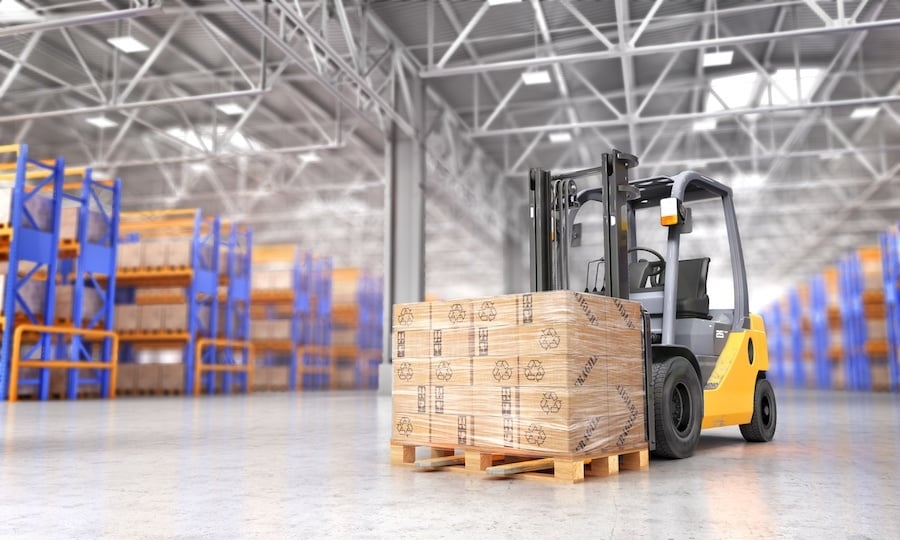
what should i consider when choosing material handling equipment
Selecting the right material handling equipment is a critical business decision that directly impacts operational efficiency, workplace safety, and long-term costs. To make an informed choice, you must evaluate several key factors including load capacity, facility layout, workflow demands, and total cost of ownership, ensuring your investment aligns perfectly with your specific operational needs.
Key Factors to Consider
Before purchasing any equipment, begin with a thorough needs assessment. Analyze what you need to move, how often, and under what conditions. Understanding these fundamentals prevents overbuying or underinvesting.
Load Characteristics and Capacity
The most fundamental consideration is the weight, dimensions, and shape of the loads you handle daily. Equipment must comfortably handle maximum loads without exceeding 80% of rated capacity. Consider uneven loads or those with shifting centers of gravity. Liftron Material Handling offers solutions designed for a wide range of industrial applications where load stability is paramount.
Facility Layout and Space Constraints
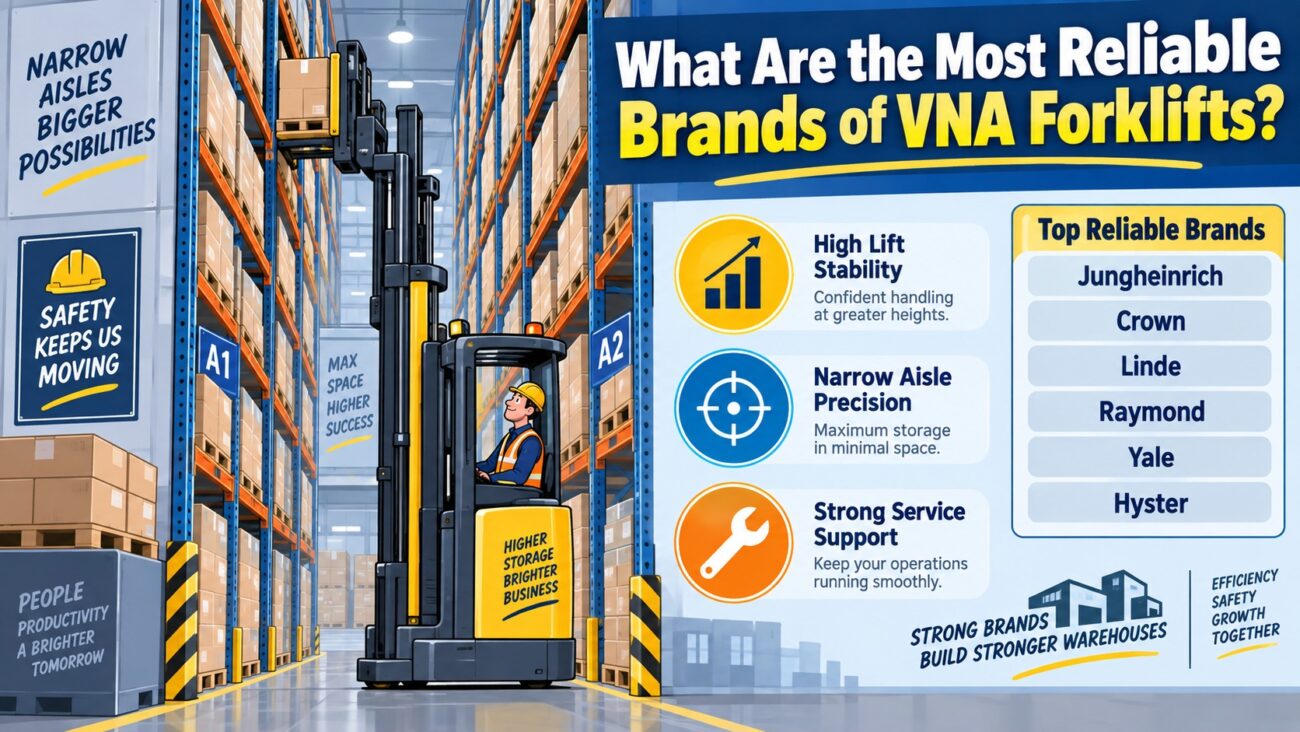
Evaluate your facility’s geometry, including aisle width, door heights, floor loading limits, and turning radii. Narrow aisles require specialized equipment like reach trucks or turret trucks, while open warehouses can accommodate counterbalance forklifts. Keep in mind that adding equipment may require reconfiguring storage layouts or workflow paths.
Operational Environment Conditions
- Indoor vs. outdoor: Outdoor operations require equipment with pneumatic tires, weather protection, and higher ground clearance.
- Temperature extremes: Freezer environments demand cold-rated batteries and lubricants; high-heat settings require heat-resistant components.
- Cleanroom or food-grade: These sectors need non-marking tires, sealed electric systems, and stainless steel options.
- Hazardous areas: Chemical plants or grain handling facilities require explosion-proof or spark-resistant equipment.
Types of Material Handling Equipment
| Equipment Type | Best For | Key Consideration |
|---|---|---|
| Forklifts | Palletized loads, stacking, general warehouse work | Lift height, capacity, fuel type (electric, LPG, diesel) |
| Conveyors | Continuous product flow between fixed points | Speed control, incline capability, product size |
| Pallet Jacks | Horizontal transport within short distances | Manual vs. electric, fork length, floor quality |
| Stackers | Medium-height stacking in narrow aisles | Battery runtime, mast visibility, safety features |
Power Source and Energy Efficiency
Electric equipment has lower emission and noise levels, ideal for indoor and food industries. However, for heavy-duty outdoor use, internal combustion (IC) models may be necessary. Modern lithium-ion batteries now offer faster charging and longer cycles than traditional lead-acid types. Consider the Liftron DL SERIES which integrates cutting-edge lithium-ion technology for increased uptime and reduced maintenance.
Operational Workflow and Throughput
Analyze peak demand periods and daily throughput. Equipment must handle maximum loads during rush seasons without creating bottlenecks. Consider automation potential—if your operation involves repetitive tasks, automated guided vehicles (AGVs) or robotic palletizers can dramatically improve efficiency while reducing labor costs.
Safety and Ergonomics
- Operator training requirements and certification timelines
- Built-in safety features: stability systems, audible alarms, operator-presence sensors
- Ergonomic design: adjustable seats, low-effort controls, good visibility
- Pedestrian traffic patterns – install marked walkways and mirrors
Total Cost of Ownership (TCO)
Initial purchase price is only part of the equation. Calculate long-term costs including maintenance, parts availability, energy/fuel consumption, battery replacement, downtime impact, and operator training. Reliable equipment with robust after-sales support may have a higher upfront cost but lower lifetime cost. Always request total lifecycle cost estimates from multiple suppliers.
Maintenance and Support
Evaluate manufacturer support networks. Is there local service? Are parts available within 24 hours? Do they offer rental units during repairs? Factory-trained technicians and genuine parts ensure reliable operation. Equipment requiring specialized service could cause extended downtime if local support is limited.
Future Scalability
Your business may grow or change. Choose equipment that can adapt—modular systems, software-upgradeable controls, or adjustable configurations. Avoid purchasing equipment that becomes obsolete with minor operational changes. Look for vendors who offer upgrade paths and trade-in programs.
Regulatory Compliance
Ensure equipment meets OSHA, ANSI, and local safety standards. Compliance includes proper load charts, operator manuals, safety guards, and periodic inspections. In some industries, third-party certification may be required before equipment can be used.
Technology Integration
Modern material handling increasingly relies on connectivity. Telemetry systems track battery status, maintenance intervals, operator behavior, and utilization rates. Equipment that integrates with warehouse management systems (WMS) and enterprise resource planning (ERP) can provide real-time visibility and data-driven decision making. Consider whether wireless connectivity, barcode scanning, or fleet management software would benefit your operation.
Final Recommendation
Take a structured approach: map your workflow from receiving to shipping, measure all physical constraints, model future growth scenarios, and compare TCO across at least three qualified suppliers. Involve operators in the selection process—their daily experience is invaluable. Test equipment under your actual conditions before committing to large purchases. With careful evaluation of these factors, you will choose material handling equipment that maximizes productivity, enhances safety, and delivers strong return on investment for years to come.
Add a review
Your email address will not be published. Required fields are marked *