
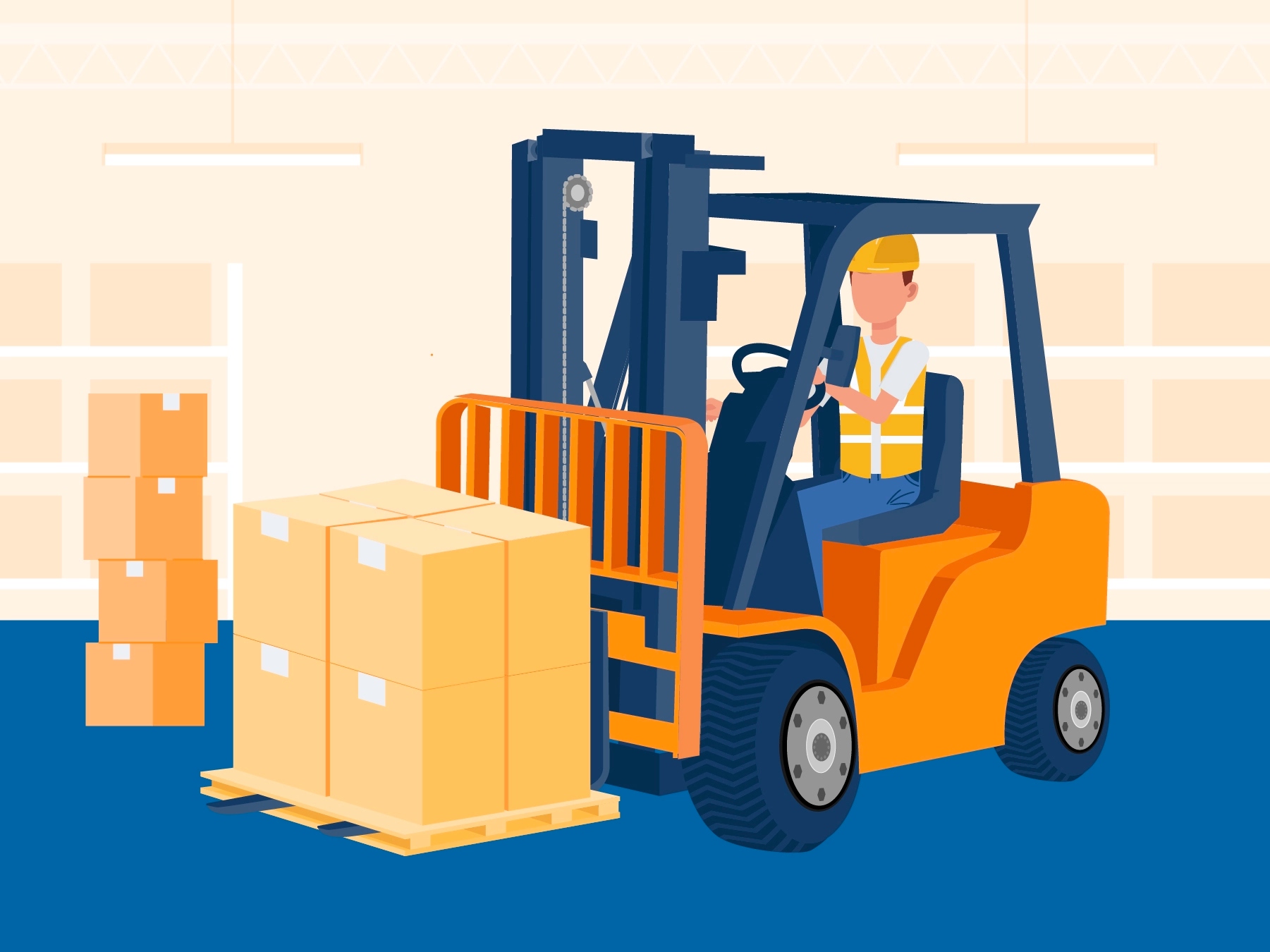
what is not an integral part of forklift equipment
Understanding all components of a forklift is essential for operators, buyers, and safety managers. However, knowing what is not an integral part of the equipment proves equally critical for maintenance, cost control, and regulatory compliance. This guide clarifies non-integral elements and distinguishes them from core machinery systems, helping you make informed decisions about attachments, consumables, and aftermarket modifications.
Defining Integral vs. Non-Integral Forklift Components
An integral part of a forklift is any component required for the machine to perform its primary function—lifting, moving, and stacking loads. These include the mast, carriage, forks, hydraulic system, power source, steering, brakes, and operator controls. Conversely, non-integral parts are items not necessary for basic operation, though they may enhance functionality, comfort, or safety. Recognizing this distinction prevents costly mistakes, such as over-specifying a fleet or misclassifying accessories for tax or inspection purposes.
Common Non-Integral Attachments and Accessories
Forklifts often feature aftermarket or optional attachments that are not part of the standard equipment bundle. These are designed for specific tasks but can be removed without impairing the core lift function. Examples include:
- Side shifters: Allow lateral fork movement but aren’t required for lifting.
- Rotators: Useful for dumping loads but optional in general warehousing.
- Fork extensions or clamps: Task-specific tools, not factory-installed.
- Load backrest extensions: Often standard on some models, but removable on others.
- Fork positioners: Enhance productivity but not essential for basic lifting.
Furthermore, non-integral items extend to operator aids like fans, phone holders, or custom seat cushions. While these improve comfort, they do not affect the machine’s mechanical integrity or operational capability.
Consumables and Wear Items: Are They Integral?
Consumables such as hydraulic oil, coolant, and tires are necessary for operation but are not integral parts in the engineering sense. They are replaceable and do not define the machine’s structural identity. Similarly, wear items like brake pads, filters, and hoses require periodic replacement and are not considered integral, even though failed brakes make the forklift unsafe. The term “integral” refers to components designed as permanent fixtures of the unit, not items that degrade or require routine servicing.
The Role of Batteries and Fuel Systems
For electric forklifts, the battery is often debated. In most definitions, the battery is integral because without it the truck cannot operate. However, the battery tray, connectors, and management system are integral, while the battery itself may be leased or swapped. For internal combustion models, the fuel tank is part of the chassis and therefore integral; yet the fuel itself is not. If you are evaluating forklift equipment, clarify with the manufacturer what constitutes the base unit—especially when comparing models from various brands.
Aftermarket Modifications: Non-Integral by Design
Any modification performed after the forklift leaves the factory can be considered non-integral unless it becomes structurally embedded. For example, adding a camera system for visibility is a safety enhancement but not an integral part of the lift mechanism. Similarly, installing a strobe light, alarm, or telemetry device—while beneficial—does not make the forklift functional. These add-ons must be inspected separately and do not typically affect OSHA compliance for the core truck.
Examples of Non-Integral Safety Equipment
- Blue spot lights or warning zones
- Horn covers or upgraded horns (factory horn is integral)
- Seat belts with special buckles (standard is integral, but some may be swapped)
- Mirrors or rear-view cameras
- Fire suppression systems
- Operator presence sensing mats (often standard, but aftermarket versions are non-integral)
These items improve safety but do not constitute the essential machinery. Mislabeling them as integral can lead to improper replacement schedules or unnecessary expenses during fleet audits.
What Is NOT Integral: A Detailed Checklist
To avoid confusion, here is a practical list of components that are not integral parts of forklift equipment:
| Category | Examples | Primary Function |
|---|---|---|
| Attachments | Carton clamps, push-pull, side shifters | Specialized handling tasks |
| Operator aids | Fans, heaters, cup holders, anti-fatigue mats | Comfort and convenience |
| Telemetry devices | GPS trackers, impact sensors, access control | Fleet management and security |
| Wear components | Tires, brushes, hydraulic filters | Maintenance and replacement |
| Optional lighting | Work lights, strobes, LED bars | Visibility and safety in specific environments |
Using this checklist helps you differentiate between what is factory-standard and what is conditional. It also clarifies warranty coverage—most manufacturers only guarantee integral parts, not aftermarket additions.
Importance for Buyers and Fleet Managers
When purchasing forklifts, understanding non-integral parts influences total cost of ownership. For instance, a base model from Liftron Material Handling comes with essential components only. Adding optional attachments increases price and maintenance complexity. By knowing what is not integral, you can avoid paying for unnecessary extras or failing to budget for required safety accessories in harsh environments.
Moreover, the Liftron DL SERIES offers a streamlined design where integrated components are fully optimized. However, even this advanced series uses consumables and optional accessories that are not integral. Operators should read the specifications carefully to identify which features are standard and which require separate procurement.
Safety and Compliance Concerns
Misclassifying non-integral parts as integral can lead to failed inspections. For example, a load backrest extension might be required for certain load types, but if it’s an aftermarket add-on, it must meet specific standards. Similarly, adding a non-integral counterweight without engineering approval is dangerous—and clearly not part of the original equipment. Always consult the manufacturer or a certified dealer before installing any non-integral component that affects stability or load capacity.
Conclusion: The Practical Takeaway
In summary, non-integral forklift equipment includes attachments, operator comfort items, telematics, consumables, and any aftermarket safety devices that can be removed without altering the machine’s fundamental ability to lift and move loads. Understanding this distinction prevents overspending, avoids compliance issues, and ensures that you maintain the genuine core of your equipment. For reliable guidance on standard and optional components, refer to authoritative dealers like Liftron Material Handling and always cross-reference your forklift’s manual before adding accessories. Remember, the integral parts are those engineered into the chassis and power systems—everything else is conditional, replaceable, or supplementary.
Add a review
Your email address will not be published. Required fields are marked *