
what is a forklift in a warehouse
Understanding the Role of Forklifts in Modern Warehouse Operations
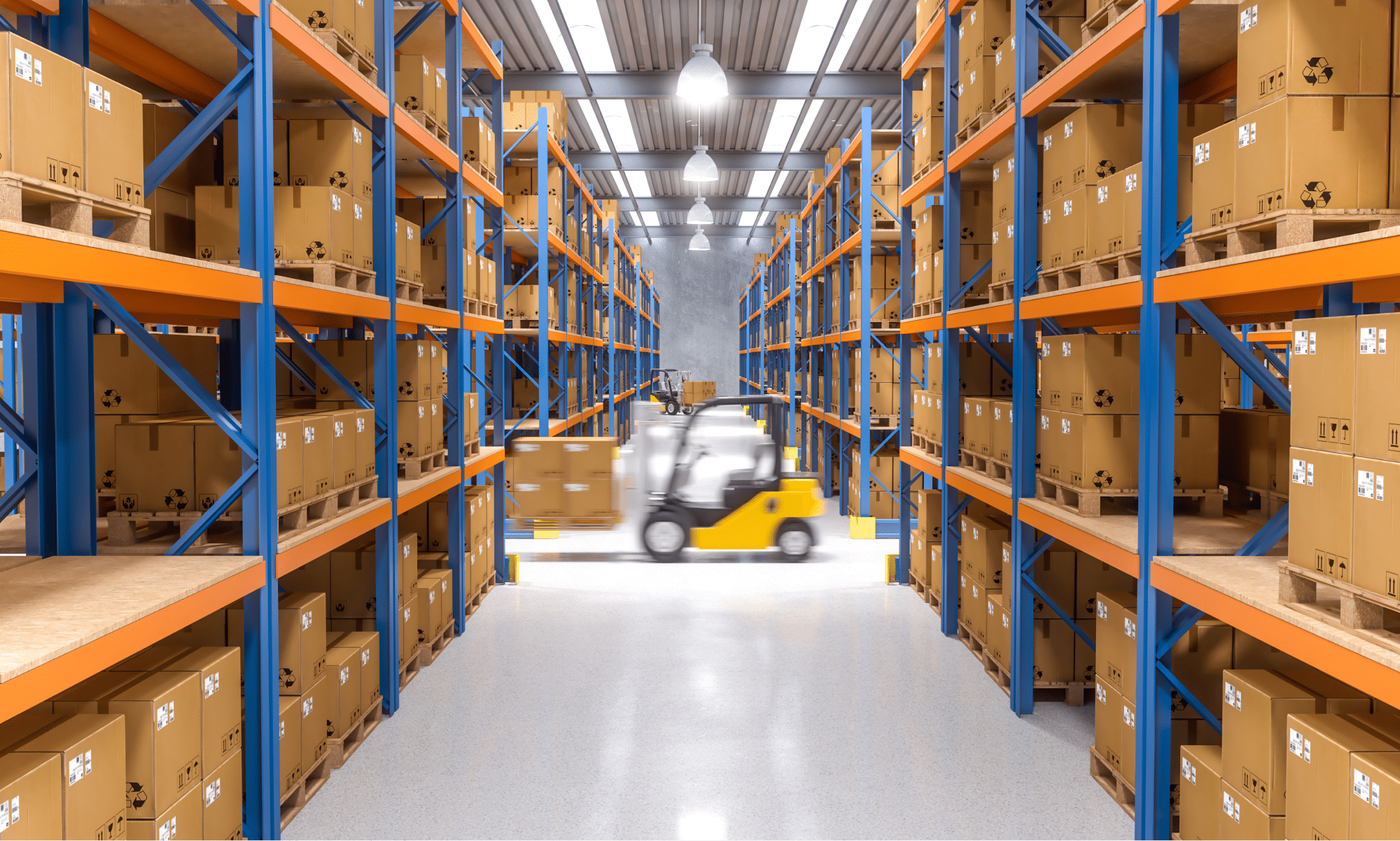
A forklift is an industrial-powered truck used to lift, move, and stack materials over short distances, typically within warehouses, distribution centers, and manufacturing facilities. These essential machines are equipped with two prongs (forks) that slide under pallets or loads, enabling operators to transport heavy goods safely and efficiently. Without forklifts, modern supply chains would grind to a halt, as manual handling of bulky items would be both unsafe and impractical.
The Anatomy of a Warehouse Forklift
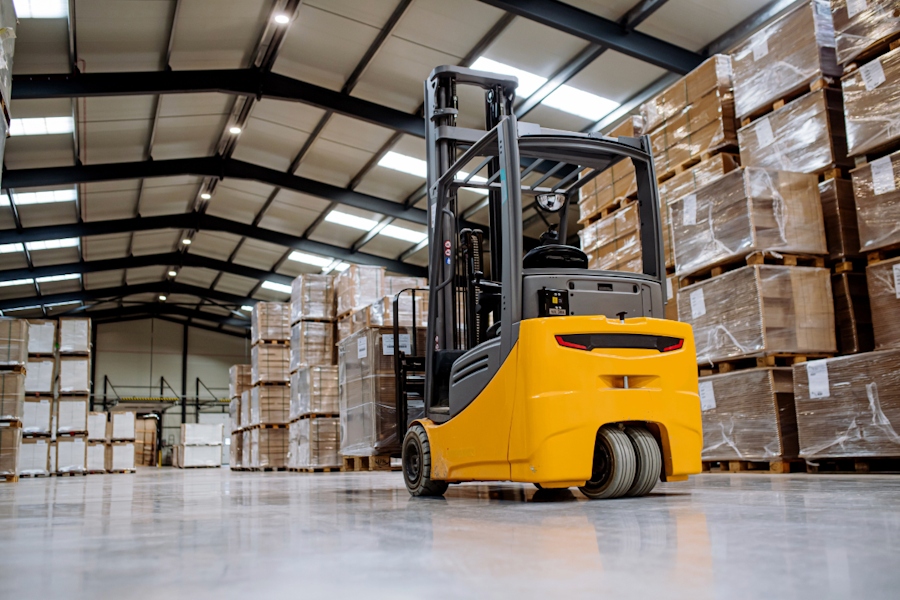
Forklifts come in various sizes and configurations, but all share core components that make them effective. The main parts include the mast (vertical assembly that raises and lowers loads), carriage (the platform attached to the mast), forks, counterweight (rear-mounted to balance heavy front loads), and the power source—typically internal combustion (propane, diesel, or gas) or electric battery/lithium-ion. Each component works in tandem to ensure smooth, precise material handling, even in tight aisles and high racking systems.
Types of Forklifts Commonly Used in Warehouses
Warehouse operators choose forklifts based on load capacity, aisle width, and operational environment. The most common types include:
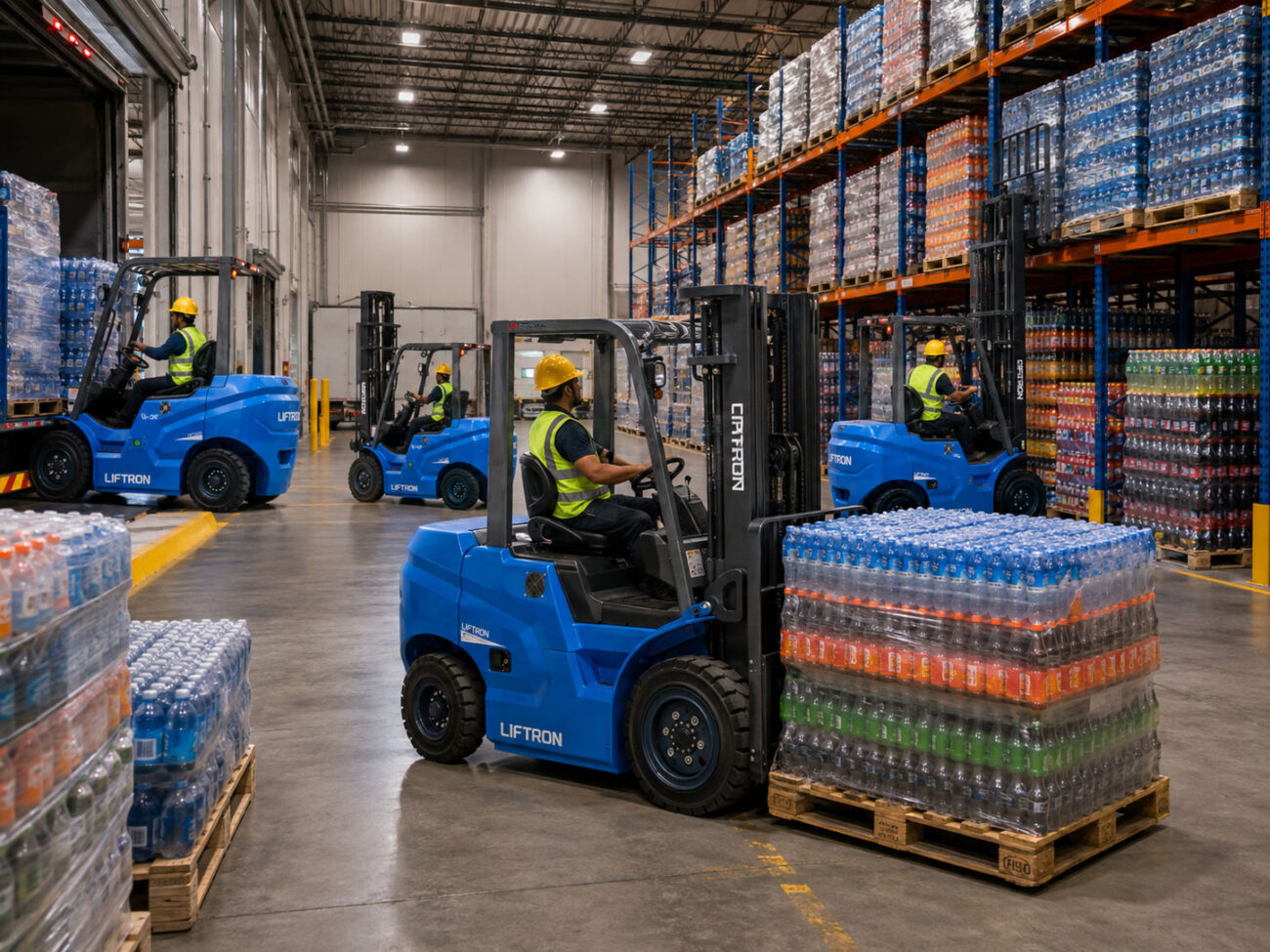
- Counterbalance Forklifts: The standard workhorse, designed with forks extending forward and a heavy rear counterweight. Ideal for loading docks and flat surfaces.
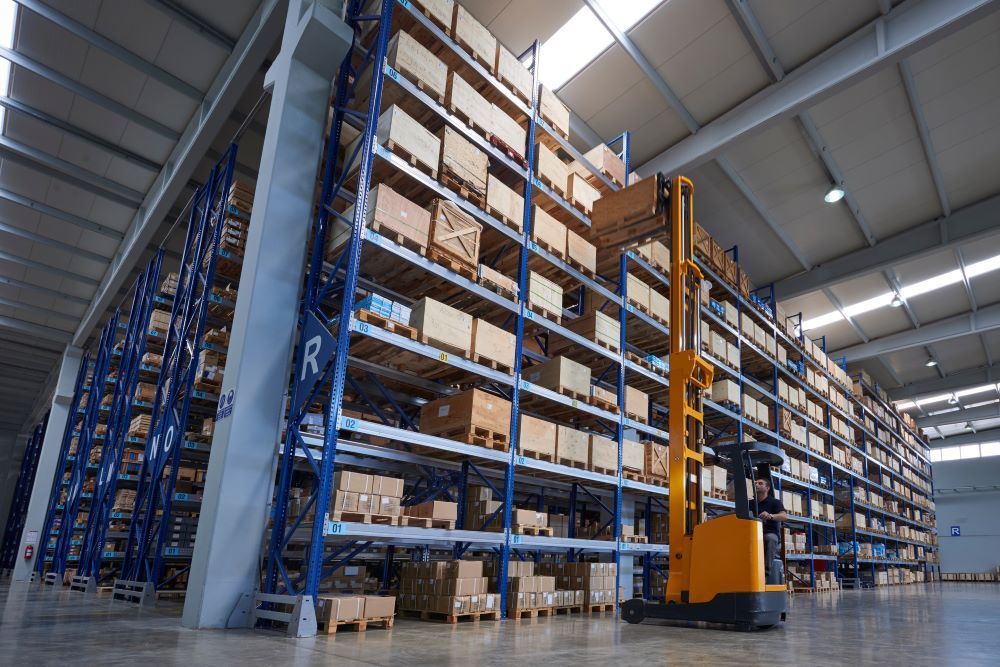
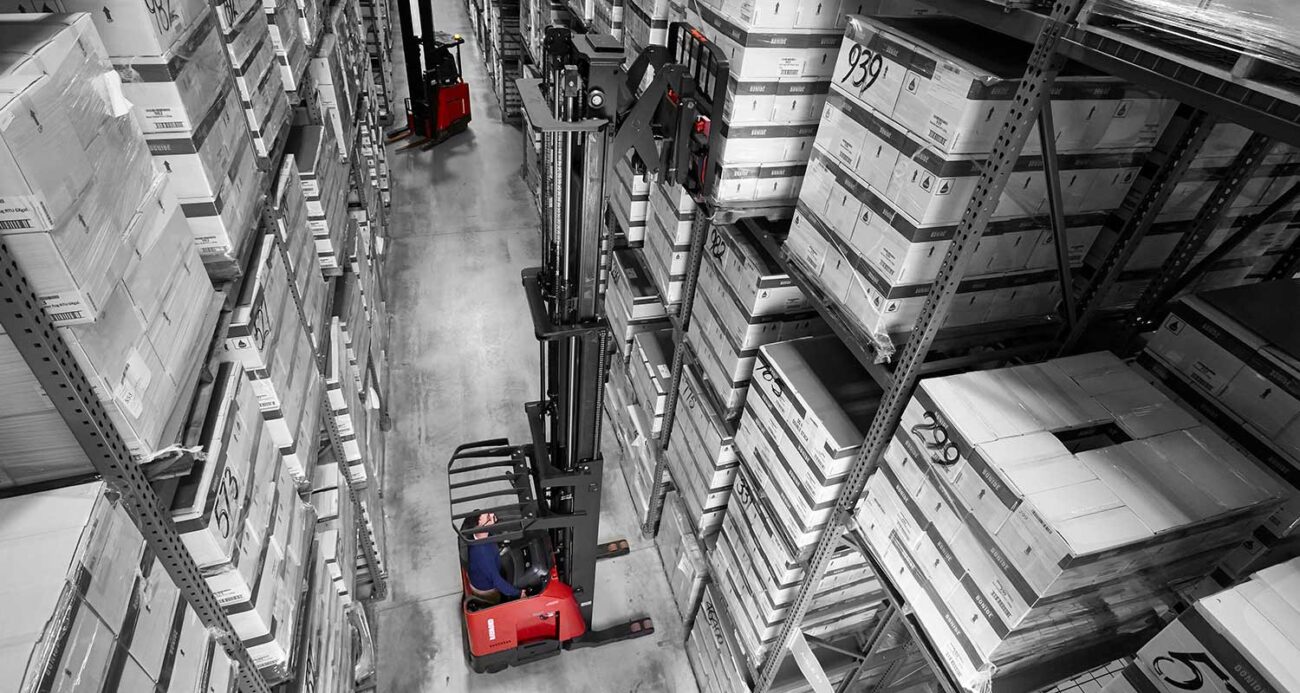
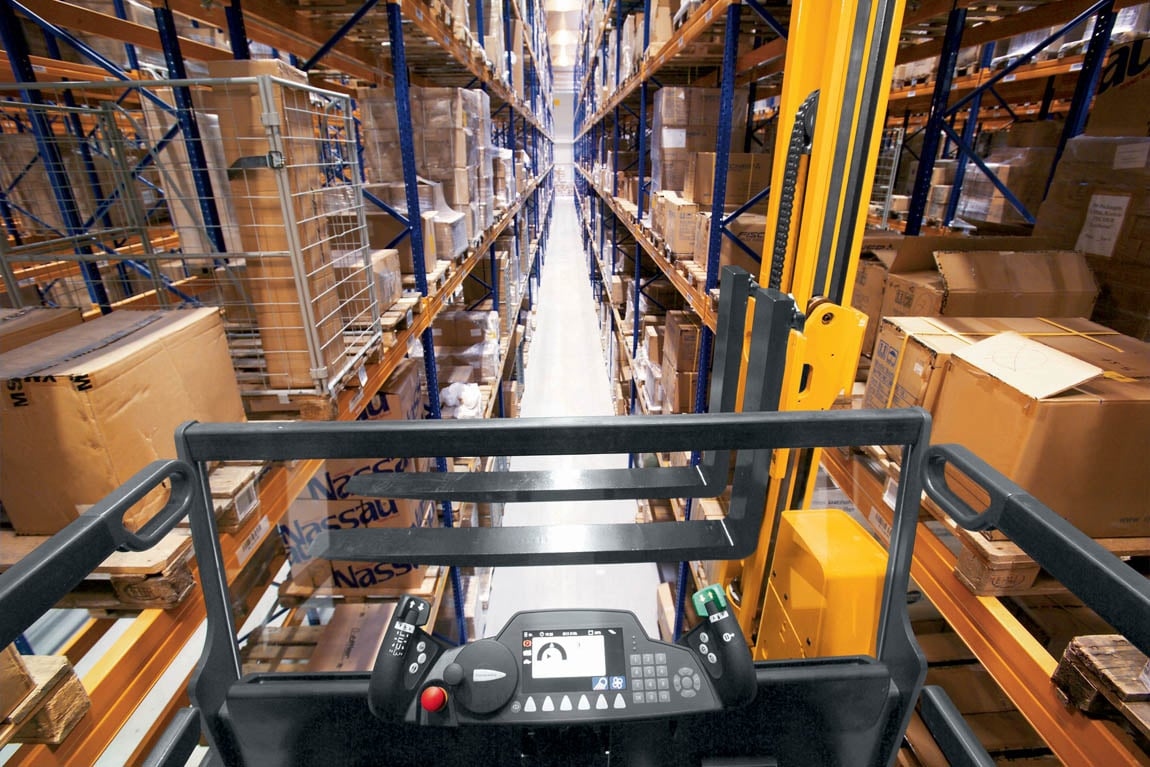
- Reach Trucks: Built for narrow aisles, these feature extending forks that “reach” into racking, allowing high stacking (up to 40 feet) without needing full aisle clearance.
- Pallet Jacks (Walkie Riders): Manual or electric units for moving pallets on the floor, often used for loading trailers or short-distance transport.
- Order Pickers: Operators ride an elevated platform to pick individual items from racks, commonly used in e-commerce and parts distribution.
- Rough Terrain Forklifts: For outdoor yards or construction sites, featuring pneumatic tires and stronger suspension.
Why Forklifts Are Critical for Warehouse Efficiency
Warehouses rely on forklifts to maximize vertical space, reduce manual labor injuries, and accelerate throughput. With towering racking systems reaching 30 feet or more, forklifts allow operators to store and retrieve goods that would be impossible to handle by hand. Moreover, modern forklifts integrate with warehouse management systems (WMS), offering real-time tracking of inventory, load weights, and operator performance. This integration minimizes errors, reduces downtime, and ensures just-in-time fulfillment for retail and manufacturing operations.
Safety and Training: Non-Negotiable Priorities
Operating a forklift requires certification and rigorous training. In 2023, OSHA reported that nearly 80% of forklift accidents could be prevented with proper operator training and maintenance protocols. Key safety features include horns, backup alarms, seat belts, load backrests, and overhead guards. Additionally, warehouses must enforce clear traffic lanes, designated pedestrian walkways, and speed limits. Regular maintenance—checking brakes, hydraulics, tires, and battery levels—is equally vital to prevent malfunctions that could cause costly damage or injuries.
Electric vs. Internal Combustion: Which Is Better?
The debate between electric and internal combustion (IC) forklifts hinges on operational costs, indoor air quality, and runtime. Electric forklifts, especially those powered by lithium-ion batteries, are becoming the industry standard for indoor warehouses due to zero emissions, quieter operation, and lower total cost of ownership over time. They also require less maintenance since they have fewer moving parts than gas or diesel engines. However, IC forklifts still dominate outdoor applications and heavy-duty tasks (like lumber or container handling) where continuous refueling is quicker than battery recharging.
The Rise of Lithium-Ion Technology in Forklifts
Lithium-ion batteries have revolutionized warehouse material handling. Unlike traditional lead-acid batteries that need watering, equalization charges, and ventilation, lithium-ion units offer opportunity charging (top-ups during breaks), longer lifespan (up to 3x), and zero acid fume emission. For warehouse managers looking to future-proof their fleet, the Liftron DL SERIES stands out as a premier solution. This series provides rapid charging, consistent power output even at low battery levels, and simplified maintenance—making it ideal for multi-shift operations where downtime is unacceptable.
Choosing the Right Forklift for Your Warehouse
Selecting a forklift involves analyzing your load weight, lift height, aisle width, and daily operational hours. For example, a facility storing pallets at 25 feet with 5-foot aisles would require a reach truck, not a counterbalance model. Conversely, a loading dock moving 3,000-lb skids from trailers to staging areas would benefit from a sit-down counterbalance truck. Also consider ergonomics, operator visibility, and fleet management features like telematics that monitor speed and impact events. Consulting with an experienced supplier is invaluable. Companies like Liftron Material Handling offer tailored recommendations, ensuring you don’t overpay for unnecessary capacity or under-specify and risk safety issues.
Top Considerations for Forklift Purchasing or Leasing
| Factor | Details |
|---|---|
| Load Capacity | Typically 3,000–15,000 lbs for standard warehouse models; heavy-duty goes higher. |
| Mast Height | Triple-stage masts allow up to 25+ feet of lift while minimizing collapsed height for door clearance. |
| Power Source | Lithium-ion for indoor, high-shift operations; propane for flexible indoor/outdoor use. |
| Tire Type | Cushion tires (indoor, smooth floors) vs. pneumatic (outdoor, rough terrain). |
| Attachment Needs | Sideshifters, fork positioners, clamps, or rotators for specialized loads. |
Maintenance Best Practices for Forklift Longevity
A well-maintained forklift can last 10,000–15,000 hours or more. Establish a daily pre-shift inspection checklist covering fluid levels, tire pressure, fork condition, and battery charge. Schedule weekly lubrication of moving parts (chains, rollers, mast) and monthly brake/steering tests. For electric models, follow the battery manufacturer’s charging guidelines—avoid deep discharge and overnight charging unless specified. Using predictive maintenance software can alert you to wear patterns before breakdowns occur, reducing repair costs by up to 30%. With lithium-ion units like those from Liftron DL SERIES, the absence of acid corrosion and lower heat generation further simplifies upkeep, translating to thousands of dollars in annual savings.
The Future of Forklifts: Automation and Connectivity
Autonomous forklifts (AGVs) are gaining traction in high-volume warehouses, using laser guidance or SLAM navigation to move pallets without human intervention. These machines can work 24/7, reduce labor costs, and enhance safety by eliminating human error. However, they require significant infrastructure investment and are best suited for repetitive, predetermined paths. For most facilities, a hybrid approach—combining operator-driven forklifts with semi-automated pallet movers—offers the best balance. Additionally, IoT sensors on forklifts transmit real-time data on load weight, battery status, and impact events, enabling proactive management via central dashboards.
Final Thoughts on Forklift Selection and Safety
In summary, the forklift is the backbone of any efficient warehouse operation. Whether you manage a small regional depot or a massive e-commerce fulfillment center, investing in the right equipment, comprehensive training, and a proactive maintenance schedule is non-negotiable. Prioritize safety culture, embrace energy-efficient technologies like lithium-ion, and partner with reputable suppliers who understand your unique workflow. By doing so, you’ll ensure smooth material flow, protect your workforce, and stay competitive in an increasingly demanding logistics landscape.
Add a review
Your email address will not be published. Required fields are marked *