
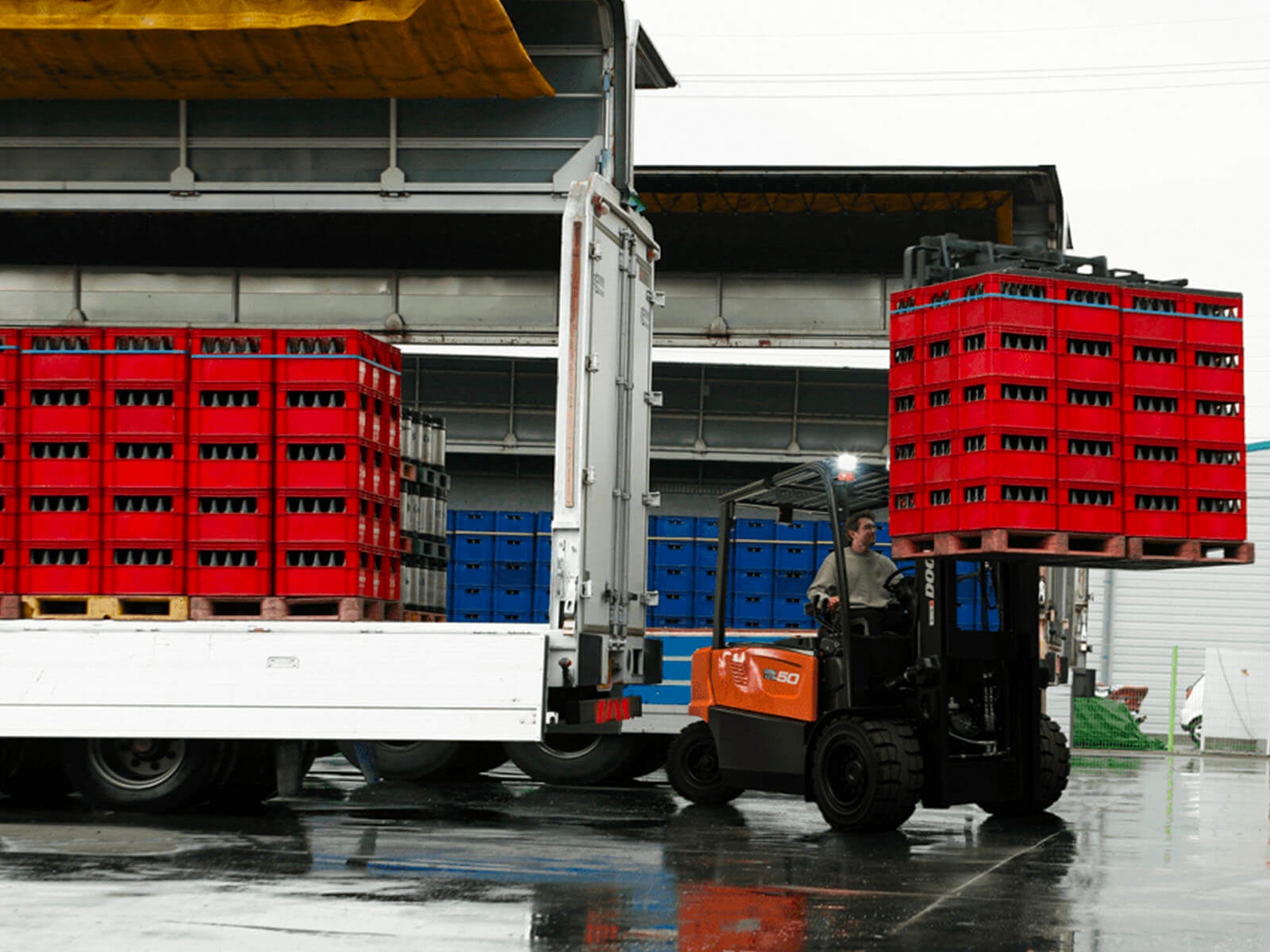
simple ways to increase a forklift’s lifespan
Forklifts are significant capital investments, and maximizing their operational life directly impacts your bottom line. By implementing a few straightforward maintenance strategies, you can prevent costly breakdowns and extend the service life of your equipment for years beyond the average.
Daily Pre-Shift Inspections
The most effective way to prolong a forklift’s lifespan is to catch small issues before they become major repairs. A simple pre-shift walk-around—checking tire pressure, fluid levels, forks for cracks, and the battery connection—takes only five minutes but can prevent catastrophic failures. Encourage operators to report odd sounds, vibrations, or leaks immediately. This daily habit reduces downtime and keeps the machine running smoothly.
Proper Battery and Charging Care
For Lead-Acid Batteries
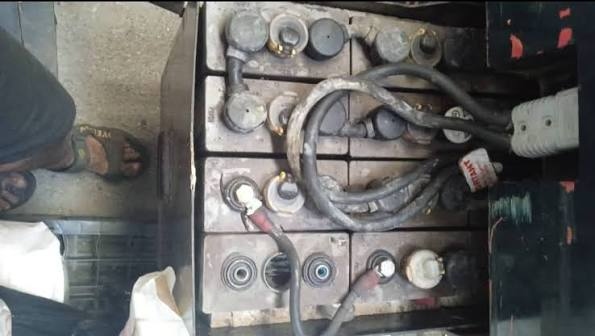
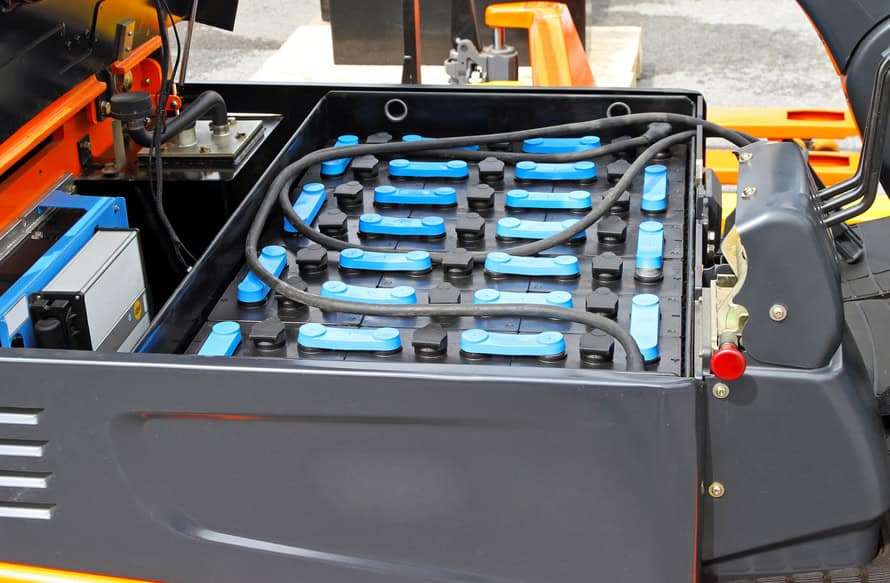
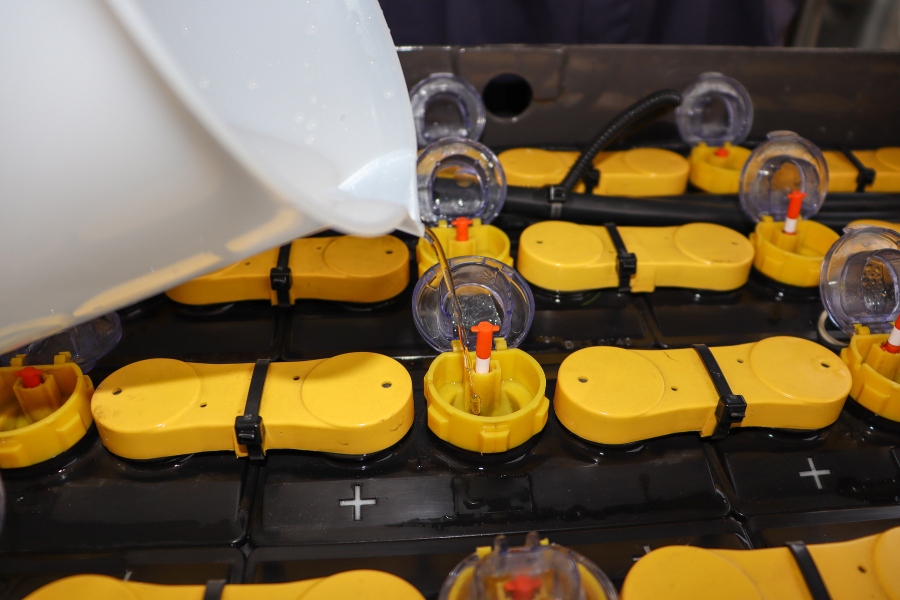
Battery maintenance is critical for electric forklifts. Always charge after each shift or when the charge drops below 30%, and never let the battery sit discharged. Water should be added after charging (not before) to prevent overflow and corrosion. Clean terminals regularly with a baking soda solution to avoid power loss and electrical shorts.
For Lithium-Ion Models
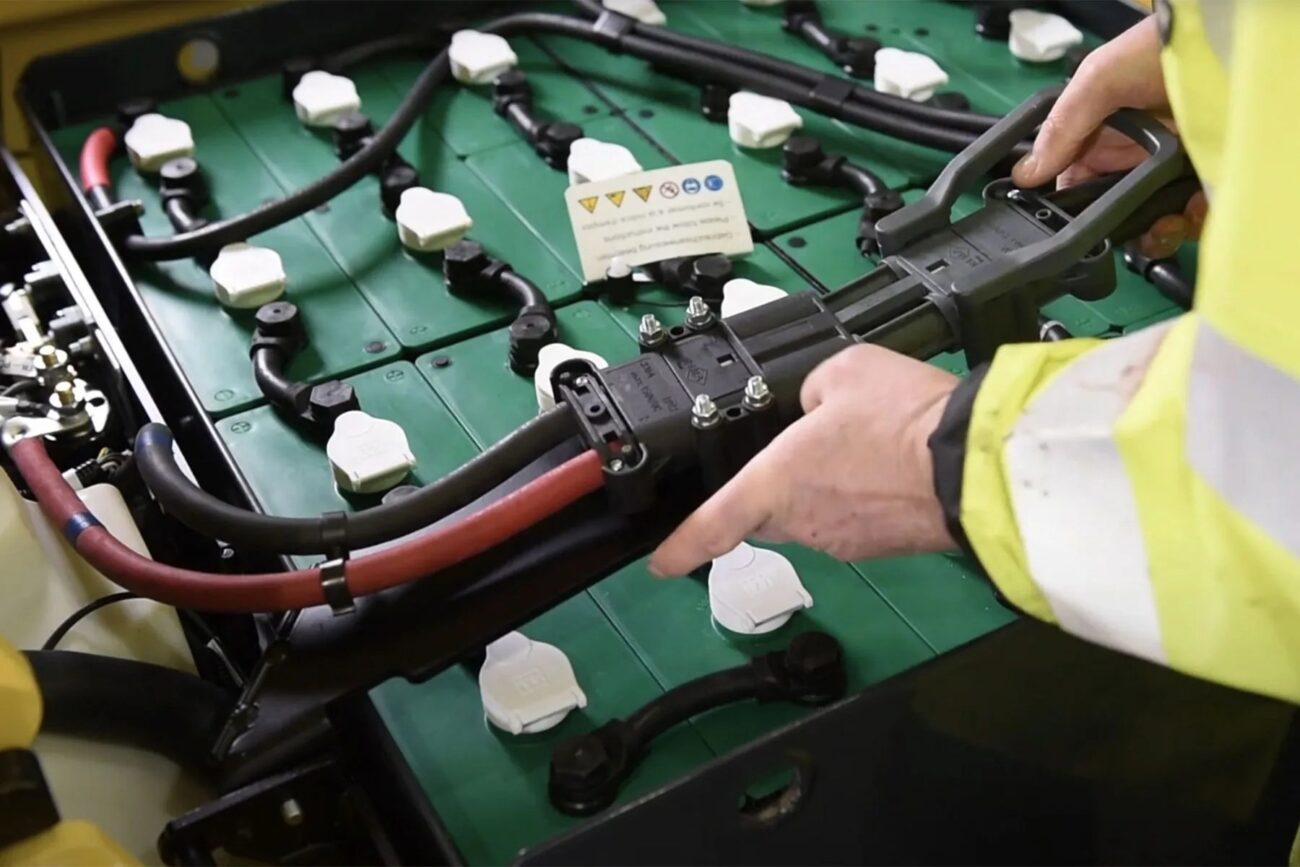
Lithium-ion batteries require less maintenance but still benefit from good practices. They do not need watering, but operators should avoid deep discharges below 10%. A modern example of advanced lithium-ion technology is the Liftron DL SERIES, which features opportunity charging without memory effect, allowing you to top up during breaks without harming the battery’s longevity. This feature alone can significantly extend overall truck life by eliminating battery degradation issues.
Consistent Lubrication and Fluid Checks
Moving parts wear down fast without proper lubrication. Grease all pivot points, mast rollers, and chassis fittings according to the manufacturer’s schedule—typically every 50 to 100 hours of operation. Check hydraulic fluid, transmission oil, and engine oil (if internal combustion) weekly. Low fluid levels cause overheating and premature component failure. Quality lubricants reduce friction and protect seals.
Operator Training and Best Practices
Operator behavior has a huge impact on forklift longevity. Train your team to avoid common abuses:
- Never overload the forklift beyond its rated capacity.
- Avoid sudden starts, stops, and sharp turns at speed.
- Keep forks at a safe height while traveling (4-6 inches off the ground).
- Do not use the forklift as a battering ram to move pallets.
- Always lower the forks when parked to reduce pressure on hydraulic systems.
A well-trained operator treats the machine with care, drastically reducing wear on tires, mast assemblies, and transmissions.
Tire Maintenance and Selection
Tires bear the entire weight of the forklift and load. Check air pressure in pneumatic tires weekly—underinflation causes uneven wear and overheating. For cushion tires, inspect for chunks, cuts, or flat spots. Rotate tires if possible and replace them when tread depth is low. Using the right tire type for your surface (cushion for smooth floors, pneumatic for rough terrain) prevents unnecessary strain on drive axles.
Keep It Clean
Dirt, debris, and chemical spills can accelerate corrosion and mechanical failure. Wash the undercarriage and engine compartment regularly to remove grease buildup and grime. Pay special attention to cooling fans and radiators—blocked airflow causes overheating, which damages engine components and hydraulic seals. A clean forklift is also easier to inspect, making it simpler to spot leaks or loose bolts.
Scheduled Professional Servicing
Even with diligent daily care, professional maintenance is essential. Follow the manufacturer’s service schedule for filter changes, brake inspections, hydraulic system flushes, and engine tune-ups. Investing in genuine parts instead of cheap knockoffs ensures proper fit and durability. Consider a service contract with a trusted provider like Liftron Material Handling for routine checkups—they can spot early warning signs that operators might miss and keep your fleet in peak condition.
Store Indoors When Possible
Exposure to rain, snow, and extreme temperatures accelerates rust and degrades rubber seals, hoses, and tires. Whenever feasible, park forklifts inside a dry, climate-controlled warehouse. If outdoor storage is unavoidable, use weather-resistant covers and inspect for moisture damage more frequently.
Monitor Usage Data
Modern forklifts often have telemetry systems that track operating hours, speeds, lifting cycles, and error codes. Review this data monthly to identify patterns—such as frequent overloads or harsh braking—that indicate operator retraining is needed. Early intervention based on real data prevents cumulative damage.
Parts Replacement Schedule Reference
| Component | Typical Replacement Interval | Signs of Wear |
|---|---|---|
| Air filter | Every 500 hours | Black smoke, loss of power |
| Hydraulic fluid | Every 1,000 hours | Dark color, foaming, sluggish lift |
| Brake pads | Every 2,000 hours | Squealing, reduced stopping power |
| Tires | Every 1,500–3,000 hours | Bald spots, cracks, low tread |
| Battery (lead-acid) | Every 5 years | Reduced run time, sulfation |
| Mast rollers | Every 3,000 hours | Noise, jerky lifting |
Following a structured replacement schedule prevents minor wear from escalating into major mechanical failures. Combine this with daily inspections, responsible operator habits, and professional servicing to keep your forklifts running efficiently for 10,000+ hours or more.
Add a review
Your email address will not be published. Required fields are marked *