
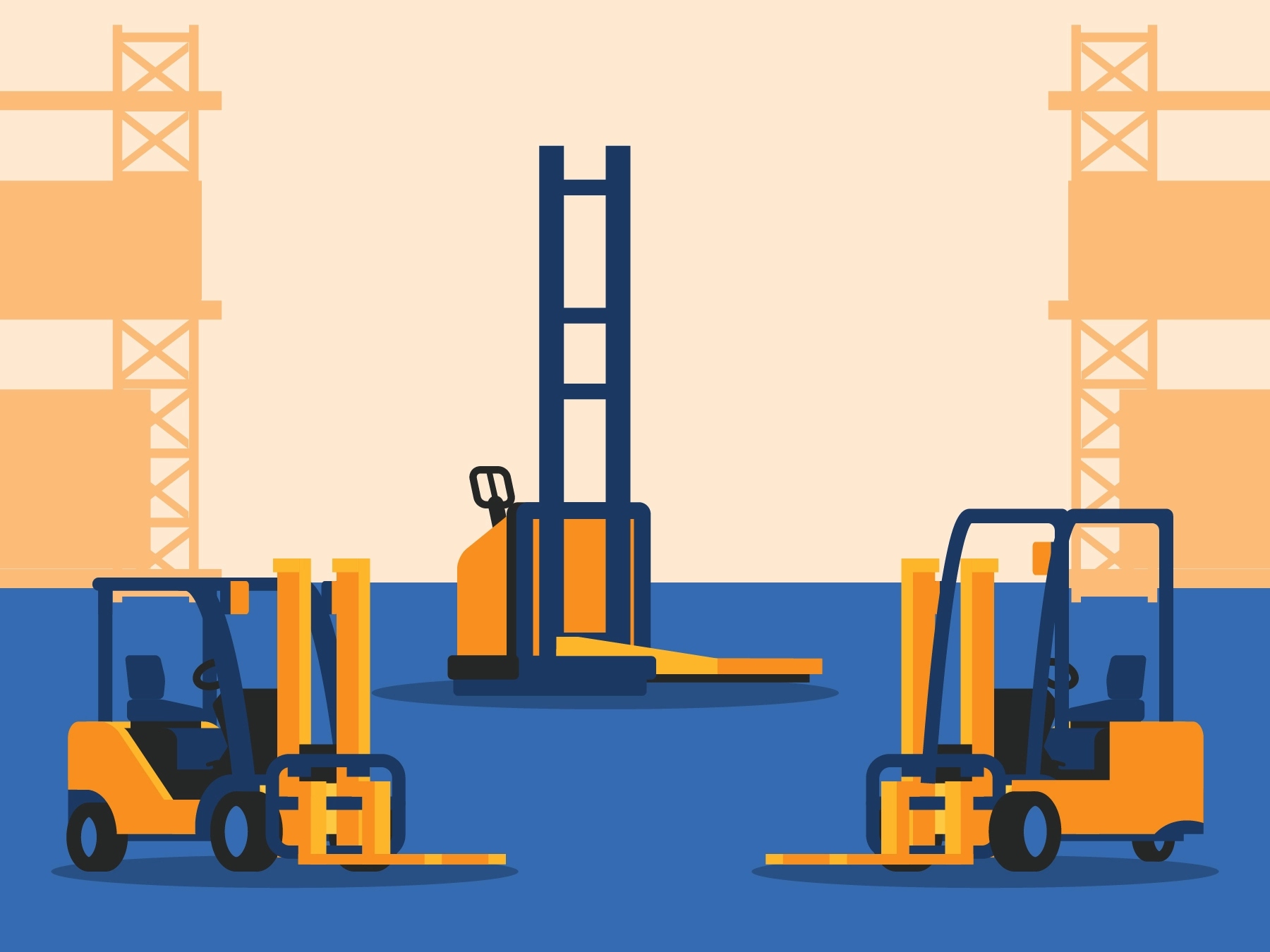
Is a forklift a small truck
Forklifts and small trucks are both essential vehicles in logistics and warehouse operations, but many people wonder if a forklift can be classified as a small truck. The short answer is no—while they share some similarities, forklifts serve a distinct purpose with unique design and functionality that separates them from standard small trucks.
Understanding the Fundamental Differences
To clarify whether a forklift is a small truck, it’s important to examine their core definitions. A small truck is typically a road-legal vehicle designed for transporting goods from one location to another. In contrast, a forklift is an industrial vehicle designed primarily for lifting and moving heavy loads over short distances within confined spaces like warehouses, factories, and distribution centers. Forklifts lack many features of small trucks, such as highway-speed capabilities, passenger cabins, and standard road safety equipment.
Key Design and Functional Distinctions
- Primary Purpose: Small trucks move goods between locations; forklifts lift, stack, and reposition loads within a facility.
- Mobility: Forklifts have lower top speeds and are not designed for public roads, whereas small trucks are road-legal and can travel at highway speeds.
- Lifting Mechanism: Forklifts feature forks and mast systems to lift loads vertically; small trucks rely on flatbeds or enclosed cargo areas.
- Operator Position: Forklifts have a rear-wheel steering system and often a side or seated operator position optimized for visibility, unlike the front-facing driver seat in small trucks.
- Weight and Stability: Forklifts include counterweights to balance heavy loads, while small trucks use suspension systems for road stability.
When Forklifts and Small Trucks Overlap
While forklifts are not small trucks, there are scenarios where they complement each other. In many logistics workflows, a small truck delivers goods to a dock, and a forklift unloads and organizes the inventory. Some specialized vehicles, like rough-terrain forklifts, may appear truck-like but still lack road-legal status. For businesses seeking a versatile material handling solution, companies like Liftron Material Handling offer advanced electric forklifts that can optimize these workflows efficiently.
Comparing Forklifts vs. Small Trucks Across Key Metrics
| Feature | Forklift | Small Truck |
|---|---|---|
| Primary Function | Lifting and stacking | Transporting loads |
| Road Legality | Not road-legal (indoor use only) | Fully road-legal |
| Top Speed | Typically below 20 mph | 60+ mph on highways |
| Load Capacity | 1,000 to 100,000+ lbs | 500 to 6,000+ lbs (payload) |
| Steering System | Rear-wheel steering | Front-wheel steering |
The Rise of Electric Forklifts and Material Handling Innovation
Modern material handling has moved beyond simple classifications. Electric forklifts, particularly lithium-ion models, are revolutionizing operations with reduced emissions, lower energy costs, and enhanced performance. For instance, the Liftron DL SERIES exemplifies how advanced technology bridges efficiency and sustainability. These forklifts are not small trucks, but they represent a specialized class of industrial equipment that outperforms traditional internal combustion models in many indoor applications.
Common Misconceptions About Forklifts
- Misconception: Forklifts are just small trucks with forks.
Reality: Forklift design focuses on load stability and vertical lift, not road transport. - Misconception: Forklifts can be driven on public roads.
Reality: Most forklifts lack lights, mirrors, and speed capabilities required for road use. - Misconception: Small trucks can replace forklifts.
Reality: Trucks cannot safely lift or stack pallets in narrow aisles or elevated racks.
Conclusion: Why the Distinction Matters
Understanding that a forklift is not a small truck is crucial for safety, compliance, and operational efficiency. Forklifts require specialized training, certificates, and maintenance protocols that differ from truck licensing. By choosing the right equipment—whether it’s a traditional forklift or an advanced electric model like the Liftron DL SERIES—businesses can enhance productivity while adhering to industry standards. For expert guidance on selecting the best material handling solutions, explore offerings from Liftron Material Handling to see how modern electric forklifts can transform your workflow without the confusion of misclassification.
Add a review
Your email address will not be published. Required fields are marked *