
how to drive a forklift for produce bins
Operating a forklift to handle produce bins requires skill, safety awareness, and precision to protect both the operator and perishable goods. From understanding weight distribution to mastering tight turns in warehouse aisles, this guide covers everything you need to know for efficient and safe produce bin handling.
Understanding Produce Bin Specifications and Forklift Requirements
Produce bins come in various sizes, typically ranging from 40 to 70 cubic feet, with gross weights that can exceed 2,500 pounds when fully loaded with fruits or vegetables. Unlike standard pallets, produce bins often have solid bases with no bottom openings for fork entry, requiring specialized forks or attachments. The “Liftron DL SERIES” lithium-ion forklifts are particularly well-suited for this task, offering precise load control and extended runtime without emissions—critical for indoor cold storage environments. Before operating any machine, verify the bin’s weight rating against the forklift’s capacity plate, and always account for the bin’s center of gravity, which shifts dramatically with moisture content and product type.
Pre-Operation Inspection: The Non-Negotiable Checklist
Every shift must begin with a thorough inspection to prevent accidents and equipment damage. Follow this systematic approach:
- Tires and brakes: Check for wear, proper inflation, and smooth braking response, especially on wet or icy warehouse floors.
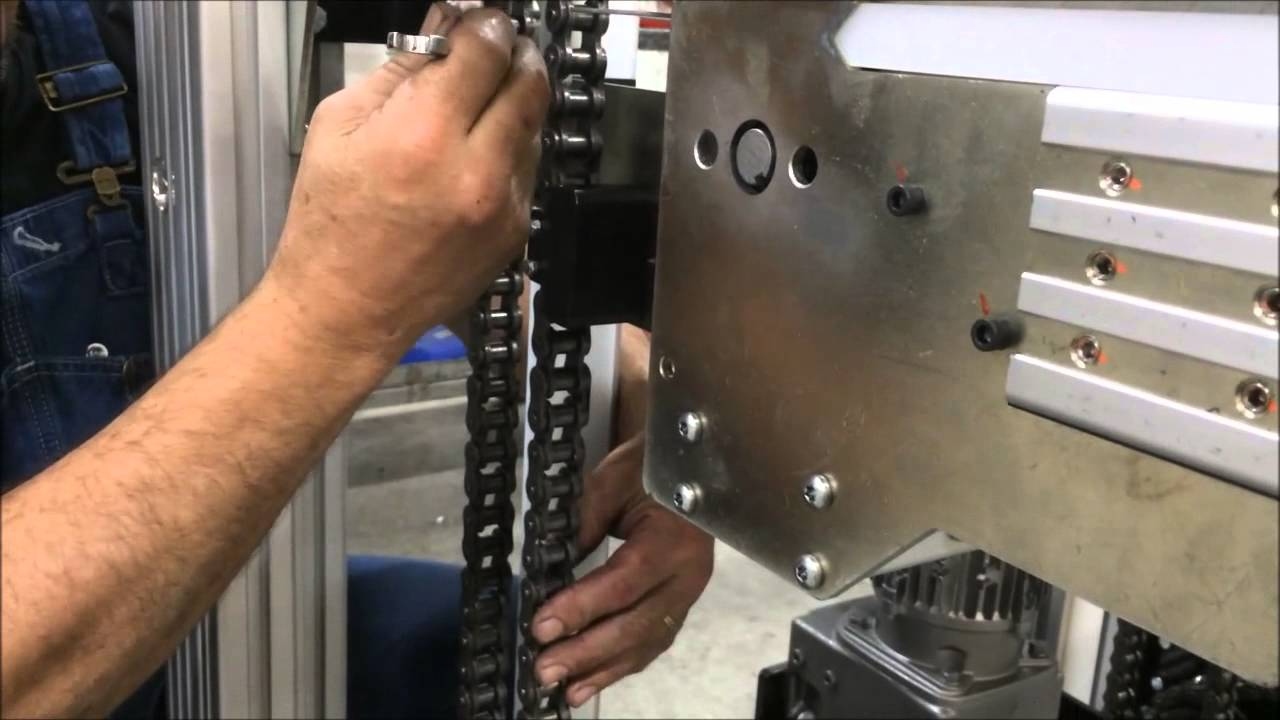
- Hydraulic system: Inspect lift chains, hoses, and cylinders for leaks or cracks that could cause sudden load drops.
- Fork condition: Ensure forks are straight, not cracked, and properly spaced to match the bin’s fork pockets (if present) or to cradle the bin’s reinforced edges.
- Load backrest: Verify it extends high enough to prevent produce from sliding toward the mast.
- Safety devices: Test horn, lights, seatbelt, and overhead guard functionality.
For facilities using modern equipment like those from Liftron Material Handling, onboard diagnostics can flag maintenance needs before they become hazards. Never operate a forklift with any identified defect—report it immediately and use alternate equipment.
Proper Load Engagement: Cradle, Don’t Puncture
Unlike standard pallets, many produce bins (especially plastic or metal versions) have solid bases meant for cradling rather than fork penetration. Here’s how to engage them correctly:
Step-by-Step Fork Positioning
- Approach the bin head-on with forks level at the bin’s base height.
- Slide forks under the bin’s base or into the designated fork pockets—never force forks into closed sections.
- Tilt the mast slightly backward (about 5 degrees) to stabilize the load.
- Lift the bin 4-6 inches off the ground, checking for stability and ensuring the load is centered.
- If the bin shifts, lower it, reposition, and retry. Never move an unbalanced load.
For bins without fork pockets, use “fork extensions” or “bins clamps”—both available as accessories from Liftron DL SERIES dealerships—to securely grip the bin walls without damaging produce.
Safely Transporting Produce Bins Through the Facility
Once the bin is secured, follow these travel protocols to minimize spillage and collision risks:
- Travel height: Keep the bin 4-6 inches off the floor and tilted back. Never travel with the bin elevated more than 12 inches—this destabilizes the forklift and increases tip-over risk.
- Speed control: Reduce speed to a walking pace in aisles, and come to a complete stop before turning or crossing intersections.
- Visibility: Drive in reverse if the bin obscures your forward view. Use a spotter for blind corners—even at low speeds, a fully loaded bin can cause severe crush injuries.
- Ramp handling: Always face the load upgrade (forks pointing uphill) when carrying a bin up a ramp and reverse down with the load downgrade to prevent tip-overs.
- Floor conditions: Be extra cautious on wet, oily, or uneven surfaces. Produce condensation can create slick patches near wash stations and cooler doors.
Remember, the center of gravity of a produce bin is high and shifts as product settles during transit. Sudden stops or sharp turns can cause the bin to topple, so anticipate braking distances and steer smoothly with gradual movements.
Stacking and Retrieving Bins in High-Density Storage
Produce bins are often stacked 2-3 high in racking systems or on the floor. Inexperienced operators frequently damage bins and racks here, leading to costly product loss. Follow this precise procedure:
Stacking a Bin
- Position the forklift squarely in front of the empty rack bay.
- Raise the bin slowly until its base is 6-8 inches above the top of the lower bin or rack beam.
- Maneuver forward, keeping the bin level, until it is directly over the designated spot.
- Lower the bin gently, angling the forks slightly downward to ensure the bin settles onto its corners, not the rack wires.
- Tilt the mast level before removing forks—never drag forks out from under a loaded bin.
Retrieving a Top-Tier Bin
- If the bin is out of reach or extremely heavy (over 1,500 lbs), request assistance from a colleague to avoid overreaching.
- Insert forks with the mast plumb vertical, then tilt slightly backward while lifting simultaneously—this prevents the bin from sliding off the rack.
- Pull the bin out slowly, checking clearance along both sides.
Common Mistakes and How to Avoid Them
| Mistake | Consequence | Correct Practice |
|---|---|---|
| Engaging forks under only one side of the bin | Bin tips, spilling produce and injuring pedestrians | Align forks symmetrically with the bin’s center line |
| Exceeding rated load capacity | Hydraulic failure, loss of steering, forklift tip-over | Weigh bins if uncertain; use dual-bin handles only with rated equipment |
| Traveling with forks raised above wheel height | Sudden stop causes bin to slide off forks | Maintain 4-6 inch ground clearance during transit |
| Ignoring load backrest height | Loose produce falls onto operator’s head | Use extension panels for shallow bins |
Cold Storage and Lithium-Ion Advantages
Produce warehouses often maintain temperatures between 34°F and 40°F, which can degrade lead-acid battery performance by up to 30%. The Liftron DL SERIES lithium-ion forklifts maintain consistent power output in cold environments, charge faster during lunch breaks, and produce zero fumes—making them ideal for enclosed cooler spaces. Their regenerative braking also reduces wear on floor surfaces, minimizing condensation-related slip hazards. Additionally, lithium-ion batteries require no water refilling or equalization charges, reducing maintenance downtime and allowing shift-to-shift operation without battery swaps.
Final Words on Operator Certification and Continuous Practice
No article can replace formal certification. OSHA requires all forklift operators to complete documented training covering classroom instruction, practical exercises, and workplace-specific evaluations. For produce bin handling specifically, schedule supervised drills on stacking, retrieving, and navigating tight corners with weighted bins. Review incident reports regularly to identify patterns (e.g., bin damage near dock doors) and adjust procedures accordingly. Always communicate with warehouse team members using hand signals or radios, especially when moving large loads through busy packing areas. With disciplined technique and the right equipment, you’ll master produce bin transport while significantly reducing product damage and personal injury risks.
Add a review
Your email address will not be published. Required fields are marked *