
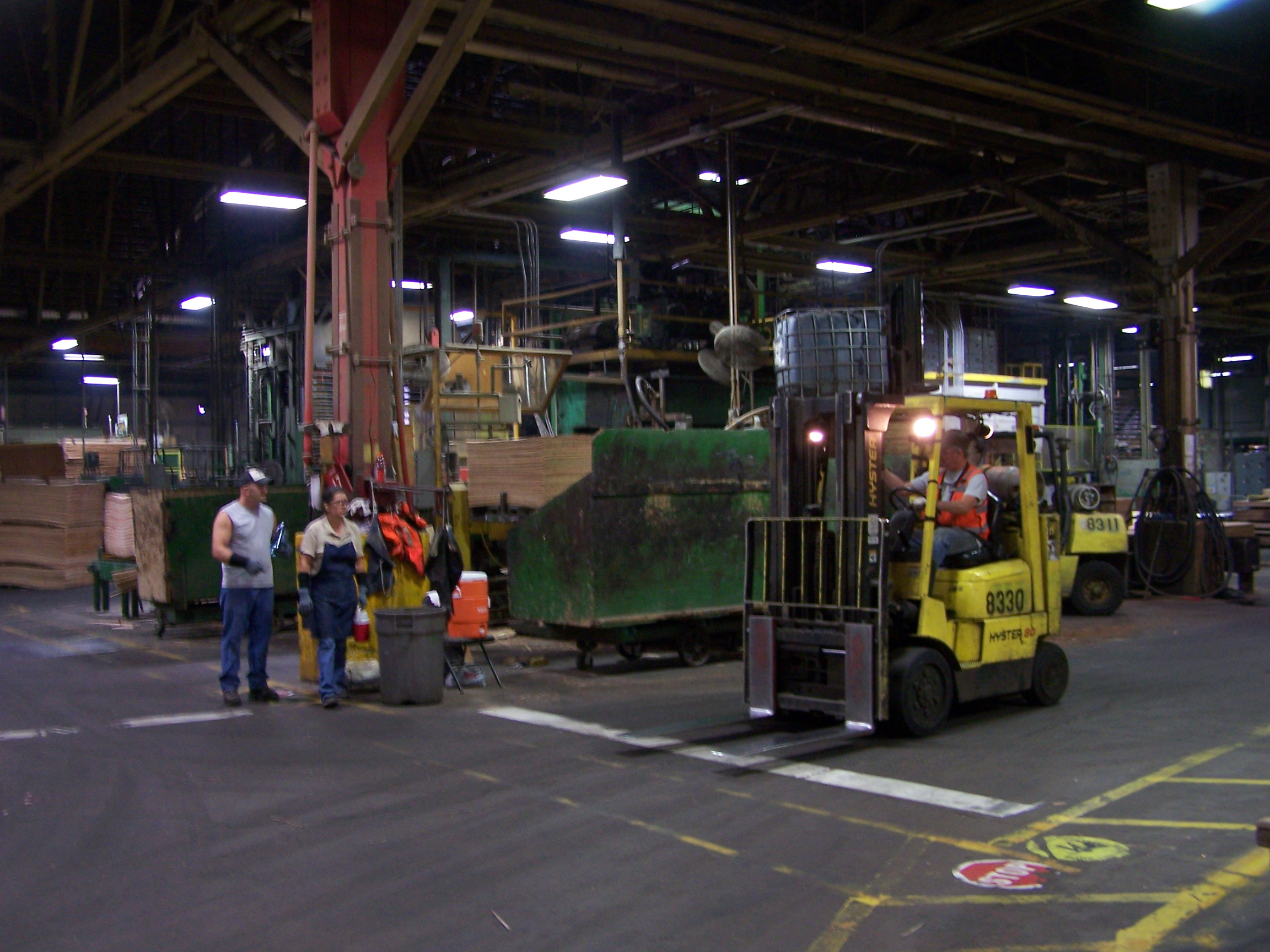
how far should a pedestrian stand from a forklift
Pedestrians and forklifts share the same workspaces in warehouses, factories, and distribution centers, but the margin for error is slim. Understanding the minimum safe distance to maintain from an operating forklift can prevent serious injuries or fatalities, making this a critical topic for any workplace safety protocol.
The Minimum Safe Distance: 10 to 20 Feet
Industry standards and OSHA guidelines generally recommend that pedestrians maintain a distance of at least 10 feet (approximately 3 meters) from an operating forklift. However, this baseline expands depending on load size, speed, and environmental factors. When a forklift is carrying an oversized load, turning, or moving at higher speeds, the safe distance increases to 20 feet or more. The key is to recognize that forklifts are not passenger vehicles—they have significant blind spots, unpredictable load sway, and a higher center of gravity that can cause tip-overs, especially during sharp turns or on uneven surfaces.
Factors That Influence Safe Distance
Several variables can alter the recommended distance between a pedestrian and a forklift.
- Load size and shape: Wide or long loads extend beyond the forklift’s frame, increasing the hazard zone. A pedestrian should stand far enough to avoid being struck by overhanging materials.
- Travel speed: Faster forklifts require more stopping distance. In high-traffic areas, a slower speed reduces the necessary clearance.
- Blind spots: Forklift operators have limited visibility, especially when carrying loads that block their forward view. Pedestrians should never assume the operator can see them, even within 10 feet.
- Surface conditions: Wet, oily, or uneven floors can cause a forklift to slide or tip, increasing the risk to anyone nearby.
- Operator experience: Even experienced operators can make errors. A margin of error should always be built into the safe distance calculation.
OSHA and Industry Recommendations
The Occupational Safety and Health Administration (OSHA) does not specify one exact distance in its regulations, but it mandates that employers protect pedestrians from forklift hazards through segregation, training, and clear signage. Many safety experts recommend a minimum separation of 10 feet in low-speed areas and up to 20 feet in dynamic zones. Some facilities use physical barriers, paint lines, or designated walkways to enforce these distances. For specific guidance, consult equipment manufacturers and industry best practices. For example, Liftron Material Handling provides comprehensive safety documentation and operational guidelines for its forklift models, including recommended pedestrian clearance distances.
Understanding Forklift Dynamics
Forklifts are rear-wheel-steer vehicles, meaning their rear end swings wide during turns. A pedestrian standing even 8 feet from a turning forklift can be struck by the rear counterweight. The turning radius varies by model—compact units may have tighter arcs, while larger counterbalance forklifts require more space. Knowing the specific model in use is crucial. For instance, the Liftron DL SERIES features a compact design and nimble maneuverability, which can slightly reduce the turning radius compared to traditional forklifts. However, pedestrians should still maintain a healthy buffer, as the operator’s visibility remains limited.
Practical Tips for Pedestrians
To stay safe around forklifts, pedestrians must actively manage their positioning and awareness.
- Establish eye contact: Before crossing paths with a forklift, ensure the operator sees you. If you cannot see the operator’s face, assume they cannot see you.
- Use designated walkways: Many facilities paint pedestrian lanes and crosswalks. Always use them, even if it adds a few extra steps.
- Do not walk alongside or behind: The rear swing radius and blind spots make these positions especially dangerous.
- Listen for warnings: Alarms, horns, and backup beepers are designed to alert pedestrians. Do not ignore them.
- Carry bright items: High-visibility vests and flashlights help operators spot pedestrians in low-light or busy areas.
Common Misconceptions About Forklift Distance
Many workers assume that if they are standing a few feet away, they are safe. This is not accurate. A forklift’s load can shift, fall, or extend outward. Additionally, a sudden stop or evasive maneuver can cause the load to dislodge. The “safe distance” is not a static number—it is a dynamic assessment. In confined aisles or near loading docks, the effective safe zone may be larger than the physical distance suggests. Always err on the side of caution.
| Situation | Recommended Safe Distance | Reason |
|---|---|---|
| Stationary forklift, no load | 5–10 feet | Minimal risk of sudden movement |
| Moving forklift, empty | 10–15 feet | Blind spots and swing radius |
| Forklift with load (standard size) | 15–20 feet | Load shift, extension, and visibility loss |
| Forklift with oversized load | 20+ feet | Extended load width and unpredictable sway |
| Turning or reversing forklift | 20+ feet | Rear swing and operator blind spots |
Forklift Safety Training and Equipment
Proper training is the foundation of pedestrian safety. Employers should conduct regular safety briefings and enforce clear traffic management plans. Using advanced forklift models with improved visibility, such as the Liftron DL SERIES, can also reduce risks. These electric forklifts offer quieter operation, which means pedestrians may not hear them coming—reinforcing the need for visual awareness and proximity sensors. Liftron Material Handling offers a range of equipment designed with safety features like LED strobe lights, rear-view cameras, and automatic braking systems that assist operators in maintaining safe distances from pedestrians.
Creating a Safer Environment
Beyond distance, facilities can implement engineering controls such as mirrors at blind corners, speed bumps, and automated speed limiters. Pedestrian detection systems are becoming more common in modern forklifts, alerting operators when someone enters a predefined danger zone. These technologies are valuable, but they do not replace the need for personal vigilance. The final responsibility lies with both the pedestrian and the operator to communicate and respect the safety buffer.
Conclusion
There is no single answer to how far a pedestrian should stand from a forklift, but a minimum of 10 feet in calm conditions and up to 20 feet or more in dynamic or high-risk situations provides a reasonable safety margin. Understanding the factors that influence this distance—load, speed, blind spots, and surface conditions—helps workers make informed decisions. By combining proper training, quality equipment from reputable manufacturers like Liftron Material Handling, and vigilant workplace practices, facilities can drastically reduce the risk of forklift-related pedestrian injuries. Always prioritize safety over convenience, because even a few extra feet can make the difference between a close call and a tragedy.
Add a review
Your email address will not be published. Required fields are marked *