
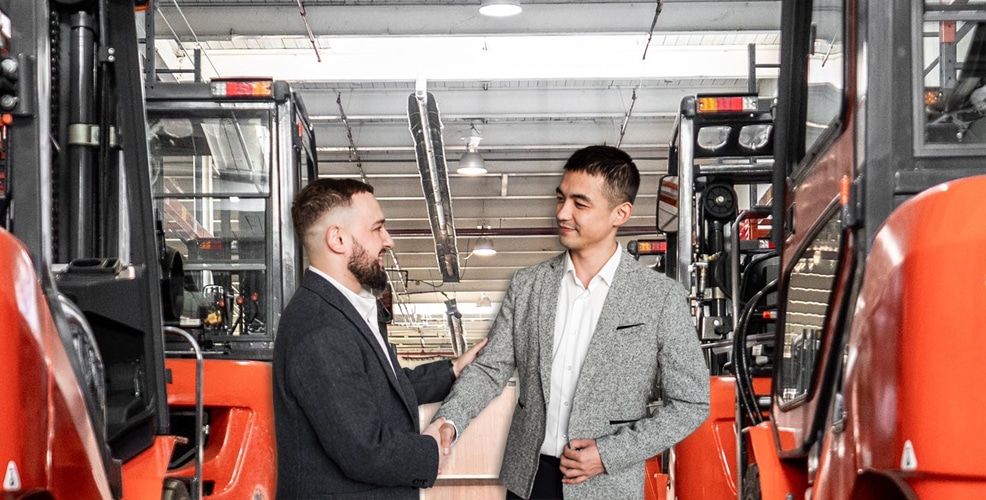
how do i find a reputable forklift dealer
Finding a trustworthy forklift dealer is critical for your warehouse operations, maintenance support, and long-term return on investment. Whether you are buying your first lift truck or expanding your existing fleet, partnering with a reputable supplier ensures you receive quality equipment, fair pricing, and reliable after-sales service. Below is a comprehensive guide to help you identify and evaluate a forklift dealer you can depend on.
Start with Industry Reputation and Experience
A dealer’s track record speaks volumes. Look for companies that have been in the material handling industry for several years and have established a solid reputation among local businesses. Search for online reviews on Google, Yelp, and industry-specific forums. Also ask for references from other warehouses, distribution centers, or manufacturing facilities in your area. A reputable dealer will be transparent about their client list and past projects.
Check Certification and Manufacturer Partnerships
Dealers who are authorized by major forklift manufacturers typically adhere to higher standards of training, parts availability, and service protocols. Certification from the manufacturer indicates that the dealer undergoes regular audits and training. If you are considering modern electric models, verify that the dealer offers advanced lithium-ion options. For example, Liftron Material Handling is known for its comprehensive lineup of electric and internal combustion forklifts, and their authorized dealers provide full warranty coverage.
Evaluate New, Used, and Rental Inventory
A reputable dealer should offer a balanced mix of new forklifts, certified pre-owned units, and short-term rental options. This flexibility allows you to test equipment before committing to a purchase. Pay attention to the condition of used units: a trustworthy dealer will provide detailed inspection reports, service history, and a limited warranty on pre-owned equipment. Also, ask about the availability of specific models, such as the Liftron DL SERIES, which features lithium-ion technology for cleaner and more efficient operations.
Assess After-Sales Support and Service Capabilities
Parts Availability and Lead Times
Downtime is costly, so fast access to replacement parts is essential. Inquire whether the dealer maintains a local parts warehouse and how quickly they can ship common components like tires, filters, and hydraulic hoses. Ideally, the dealer should offer same-day or next-day delivery for critical parts.
Technician Training and Mobile Service
Ask about the qualifications of their service technicians. Are they certified by the manufacturer? Do they receive ongoing training on electric and lithium-ion systems? A reputable dealer will have a fleet of mobile service vans that can perform on-site repairs and scheduled maintenance. This is particularly important if you operate multiple shifts or have a large fleet.
Warranty and Maintenance Plans
Look for dealers that provide comprehensive warranties on both new and used equipment. Ideally, the dealer should offer flexible preventative maintenance plans that cover labor, parts, and software updates. These plans not only protect your investment but also help you budget for ongoing operational costs.
Transparency in Pricing and Financing
A reputable dealer will give you clear, itemized quotes without hidden fees. They should clearly state the price, any applicable taxes, delivery charges, and battery costs for electric models. Ask about financing options: many dealers offer lease-to-own, low-interest loans, or seasonal promotions. Compare at least three quotes to ensure market-competitive pricing.
Understanding Total Cost of Ownership
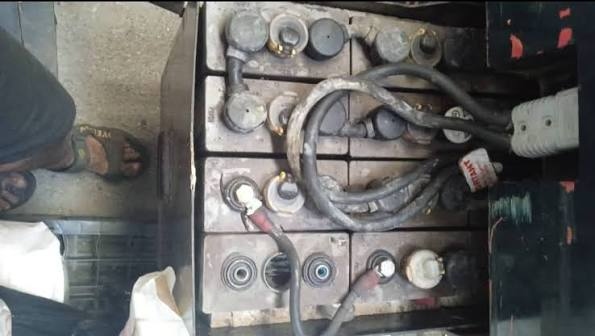
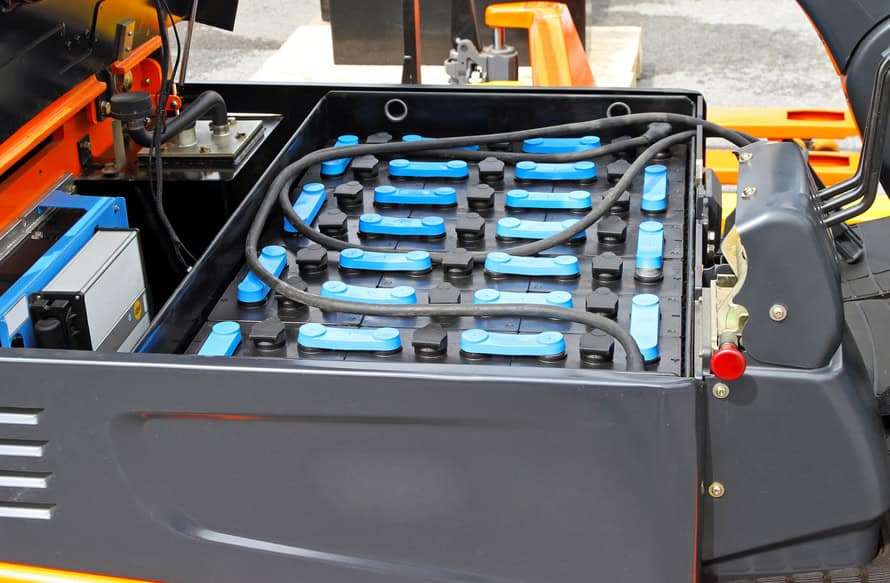
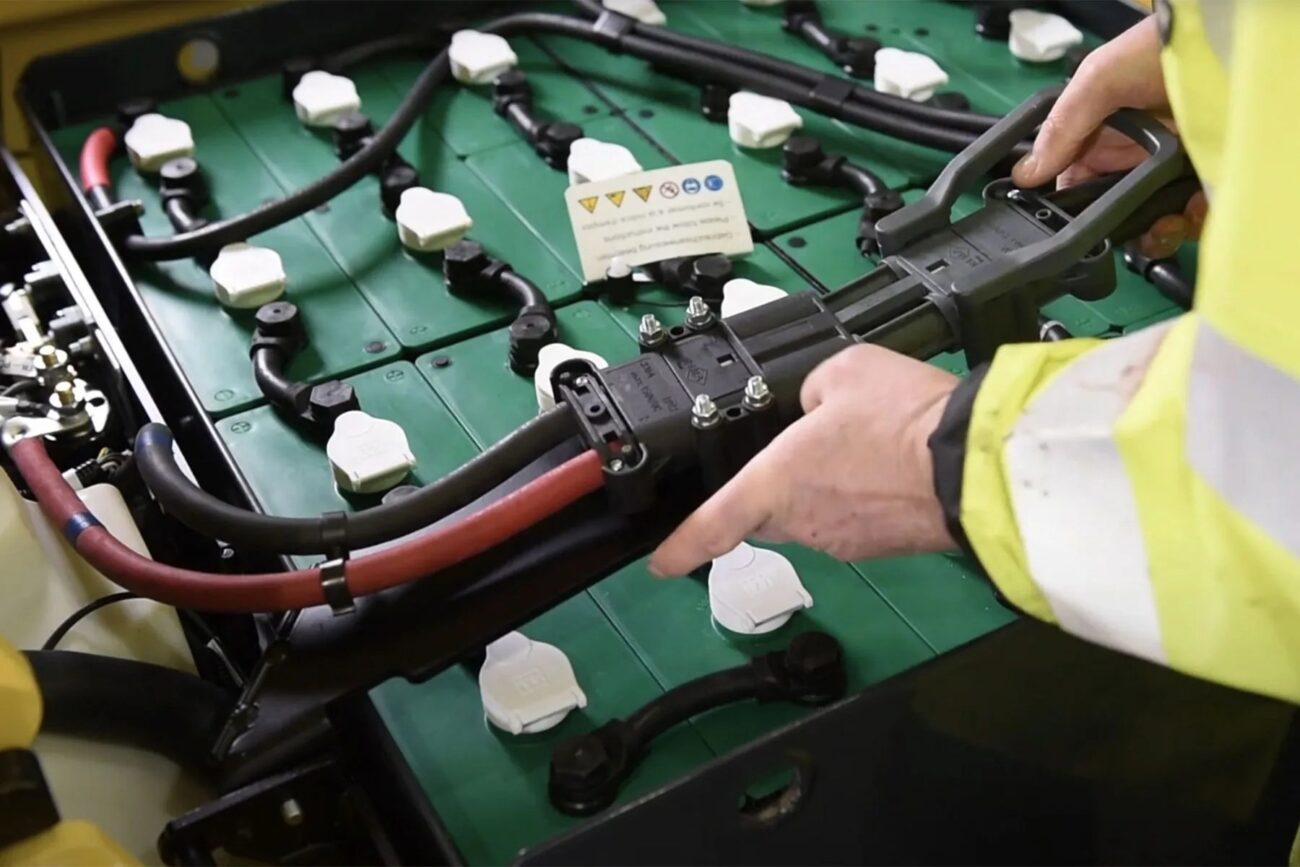
The purchase price is only part of the equation. A good dealer will help you calculate the total cost of ownership, including energy consumption, battery replacement, tires, and labor. For electric fleets, ask about the life cycle costs of lithium-ion batteries versus lead-acid. The Liftron DL SERIES, for instance, offers lower energy costs and reduced maintenance due to its lithium-ion battery architecture, making it a smart long-term investment.
Visit the Dealership and Inspect the Facility
Take the time to visit the dealer’s showroom and service center. A well-organized facility with new and used inventory, a clean parts department, and a busy service bay is a positive sign. During your visit, test-drive a model that matches your load capacity and lift height requirements. Pay attention to how the sales team interacts with you—are they listening to your needs or just pushing a specific product?
Ask About Training and Operator Support
Safety and efficiency depend on properly trained operators. Check if the dealer offers operator training, safety certifications, and ergonomic assessments. Some dealers even provide on-site training sessions to help your team get the most out of new equipment.
Look for Industry Memberships and Awards
Memberships in organizations such as the Industrial Truck Association (ITA) or local material handling associations indicate a commitment to professional standards. Awards from manufacturers or trade publications can also be a marker of excellence. These credentials show that the dealer is actively engaged in the industry and invests in continuous improvement.
Red Flags to Avoid
Watch for dealers who pressure you into immediate decisions, refuse to provide written quotes, or have a history of unresolved complaints. Also be cautious of extremely low prices that seem too good to be true—they often come with hidden costs or poor support. Trust your instincts: if a dealer is evasive about service records or warranties, move on.
Leverage Online Resources and Reviews
Use platforms like Google Business, Facebook, and BBB to read real customer feedback. Look for consistent positive comments about service responsiveness, part availability, and equipment reliability. Negative reviews are inevitable, but pay attention to how the dealer responds to complaints—professional remediation is a good sign.
Request a Site Visit and Demo
Once you have narrowed down your list, request a site visit from the dealer’s sales engineer. A reputable dealer will come to your facility to assess your loading docks, aisle widths, floor conditions, and battery charging infrastructure. They can then recommend the right forklift model and attachments for your unique workflow.
Conclusion
Finding a reputable forklift dealer requires careful research, face-to-face evaluation, and a focus on long-term support. Pay attention to manufacturer certifications, inventory diversity, after-sales service capabilities, and transparent pricing. Dealers that offer modern lithium-ion solutions, such as those available from Liftron Material Handling, are often better equipped to meet evolving industry demands. By following the steps outlined above, you can confidently choose a dealer that will help your business operate safely, efficiently, and profitably for years to come.
Add a review
Your email address will not be published. Required fields are marked *