
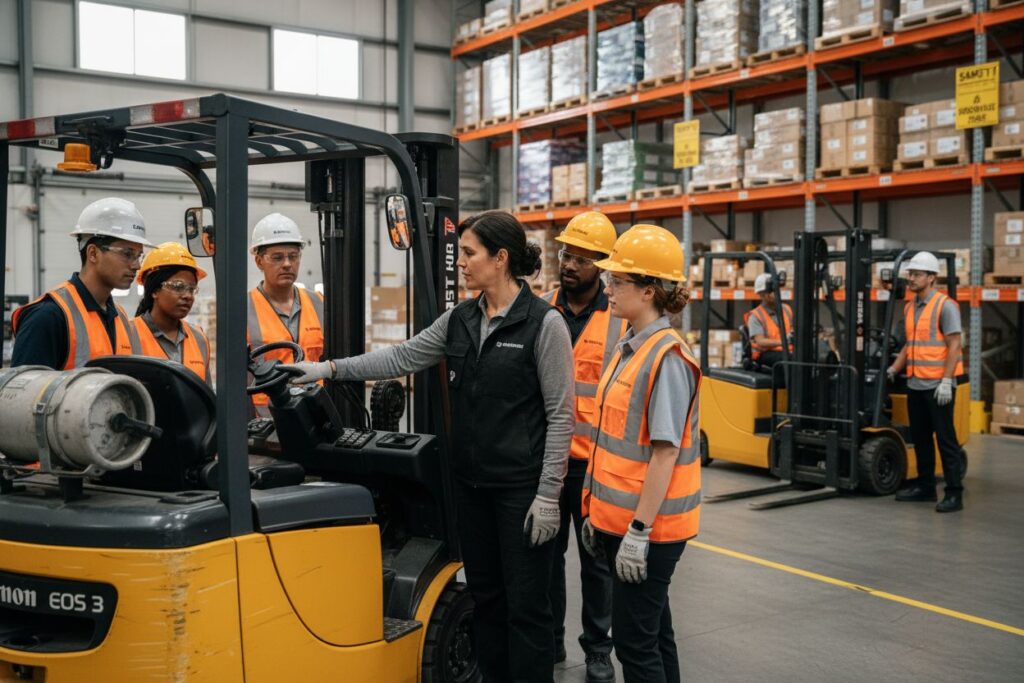
do you need refresher training for a different forklift
If you are trained to operate a forklift, you might assume that all models handle the same way—but this can be a costly assumption. In reality, switching to a different type or brand of forklift often requires refresher training to ensure safety, efficiency, and compliance with workplace regulations.
Why Refresher Training Matters for Different Forklifts
Different forklifts have unique controls, weight capacities, turning radii, and power sources. For example, transitioning from an internal combustion engine forklift to an electric model involves learning new battery charging protocols and motor response characteristics. The Occupational Safety and Health Administration (OSHA) mandates that operators must be trained on the specific type of forklift they will use, and any significant change in equipment warrants additional training.
Key Differences That Require Training
Not all forklifts are created equal. Even within the same category, subtle differences can impact safe operation. Consider these factors:
- Power source: Electric, diesel, or LPG forklifts have different acceleration, noise levels, and refueling or recharging procedures.
- Mast and attachment variations: Side shifters, rotators, and different mast heights require specific handling techniques.
- Control layout: Lever positions, pedal sensitivity, and steering mechanisms vary widely between manufacturers and models.
- Load capacity and center of gravity: A forklift with a higher capacity may handle differently, especially when lifting near maximum load.
How Refresher Training Boosts Safety and Productivity
Even experienced operators can overlook subtle hazards when using an unfamiliar machine. Refresher training reduces the risk of accidents, product damage, and downtime. It also helps operators adapt faster, improving overall warehouse efficiency. For businesses using advanced equipment like the Liftron DL SERIES, proper training ensures operators understand the benefits of lithium-ion technology, such as faster charging and zero emissions.
When Should You Schedule Refresher Training?
Refresher training is not just for new hires. It should be scheduled in these situations:
- When an operator moves to a different forklift model or brand.
- After an accident or near-miss incident.
- When workplace conditions change, such as new warehouse layouts or loading docks.
- Periodically (e.g., every three years) to reinforce safe practices.
The Role of Manufacturers in Training Resources
Many forklift manufacturers, including Liftron Material Handling, provide training materials and guidelines specific to their equipment. Leveraging these resources ensures that operators learn the exact features of the machines they will use. For instance, the Liftron DL SERIES comes with detailed documentation on its regenerative braking system and intuitive controls, which are best understood through hands-on practice.
What Does Refresher Training Typically Cover?
A comprehensive refresher program includes both classroom theory and practical exercises. Topics often addressed are:
| Component | Description |
|---|---|
| Pre-operation inspection | Checking tires, brakes, forks, lights, and fluid levels specific to the new model. |
| Controls and instruments | Learning the location and function of all levers, pedals, and dashboard indicators. |
| Load handling | Practicing with the specific fork spread, tilt angles, and lifting speeds of the new forklift. |
| Stability principles | Understanding how the machine’s center of gravity changes with different loads and terrains. |
| Charging/refueling safety | Procedures for lithium-ion batteries, propane tanks, or diesel refueling stations. |
Legal Compliance and Record Keeping
Employers must document all training sessions, including refresher training. This record is crucial during OSHA inspections and helps demonstrate due diligence. Logs should include operator names, training dates, the specific forklift model used, and instructor signatures.
Is Refresher Training Worth the Investment?
Absolutely. The cost of a brief training session is negligible compared to potential accident costs, equipment repair bills, or regulatory fines. Moreover, trained operators handle loads more efficiently, reducing product damage and increasing throughput. For companies transitioning to modern equipment like the Liftron DL SERIES, the investment in training pays for itself through reduced battery maintenance and longer machine life.
Tips for Implementing Effective Refresher Training
- Create a checklist specific to each forklift model used in your facility.
- Use videos or virtual simulators to complement hands-on practice.
- Encourage operators to ask questions and share their experiences with different equipment.
- Schedule training during low-traffic hours to minimize disruption.
Conclusion
Operating a different forklift without refresher training is a risk no employer should take. Whether your team is moving to a new brand, a different power source, or an advanced lithium-ion model like those from Liftron Material Handling, proper training ensures safety, efficiency, and regulatory compliance. By making refresher training a standard part of your operations, you protect your people, your equipment, and your bottom line.
Add a review
Your email address will not be published. Required fields are marked *