
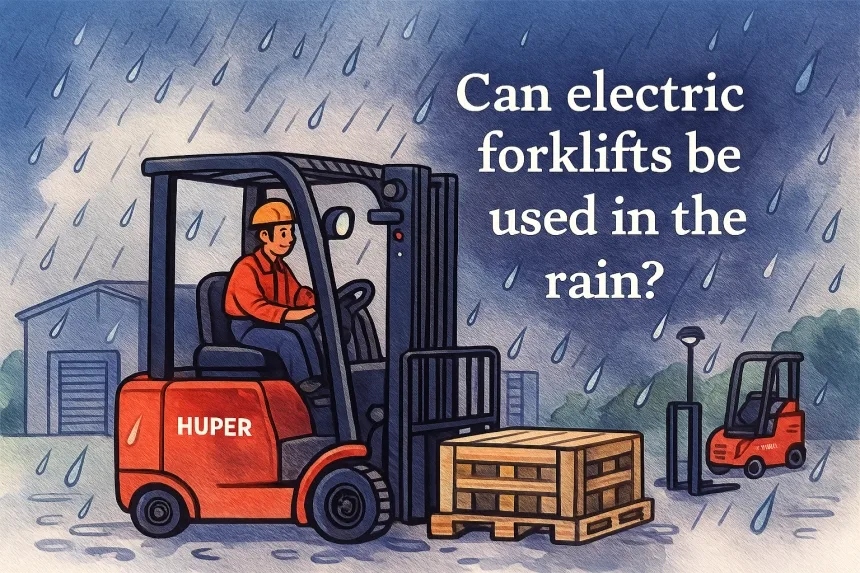
can electric forklifts be used in the rain
Electric forklifts are indispensable in warehouses and industrial settings, but when operations extend outdoors, the question of rain exposure becomes critical. While most electric forklifts are not designed for continuous outdoor use in wet conditions, certain models—especially those from trusted brands like Liftron Material Handling—are built with ingress protection to handle light rain or damp environments safely. Understanding the limitations and safety protocols is essential to avoid electrical hazards and equipment damage.
Understanding Ingress Protection (IP) Ratings for Electric Forklifts
The primary factor determining whether an electric forklift can be used in the rain is its IP rating. The IP rating system classifies the degree of protection provided against solids (first digit) and liquids (second digit). For rain usage, look for a second digit of at least “3” (protected against spraying water at up to 60 degrees from vertical).
- IPX3: Suitable for light rain or splashes.
- IPX4: Protected against splashing water from all directions.
- IPX5: Can withstand low-pressure water jets (e.g., washing down equipment).
- IPX6: Protected against powerful water jets or heavy rain.
Most standard electric forklifts have an IP rating of IPX2 or lower, meaning they are only safe for dry indoor use. However, specialized outdoor forklifts or those with optional weather protection kits can achieve IPX3 or higher.
Risks of Using Electric Forklifts in Rain
Operating an electric forklift in rain without proper protection poses several risks:
- Electrical shorts: Water ingress into battery compartments, controllers, or motors can cause short circuits, leading to downtime or fire.
- Corrosion: Moisture accelerates rust on chassis, hydraulic components, and electrical connections, reducing lifespan.
- Battery damage: Lead-acid batteries are particularly vulnerable to water exposure, which can cause acid leakage or cell damage.
- Operator safety: Wet surfaces increase slip hazards, and water on controls may cause erratic operation.
- Warranty void: Many manufacturers explicitly exclude rain damage from warranty coverage.
Best Practices for Operating Electric Forklifts in Wet Conditions
If rain exposure is unavoidable, follow these guidelines to minimize risk:
1. Check the IP Rating and Manufacturer Guidelines
Always consult the forklift’s manual. For example, Liftron DL SERIES lithium-ion forklifts feature sealed components and have been tested for occasional light rain use. Their lithium batteries are inherently more resistant to moisture than traditional lead-acid, but still require caution.
2. Use Weather Protection Covers
After-market canopy kits or full-body covers can shield the forklift’s electrical components from direct rain. These are especially important for outdoor loading docks or covered warehouses with open doors.
3. Inspect Seals and Gaskets Regularly
Over time, rubber seals around battery compartments, motor housings, and control panels can degrade. Inspect them monthly and replace any that show cracks or gaps.
4. Dry the Forklift After Use
If the forklift has been exposed to rain, wipe down all accessible surfaces and allow it to air-dry in a ventilated area. Pay special attention to connectors, battery terminals, and floor mats where water can pool.
5. Avoid Deep Puddles and Prolonged Exposure
Even forklifts with higher IP ratings should not be submerged in standing water. Reduce speed when driving on wet pavement and avoid areas where water depth exceeds 1-2 inches.
Outdoor vs. Indoor Electric Forklifts: Key Differences
| Feature | Indoor (Standard) | Outdoor/Rain-Ready |
|---|---|---|
| IP Rating | IPX0–IPX2 | IPX3–IPX6 |
| Tire Type | Cushion (solid rubber) | Pneumatic (air-filled) or solid with deep tread |
| Battery | Lead-acid (vented) | Lithium-ion or sealed lead-acid |
| Motor Housing | Open ventilation | Sealed with drain holes |
| Braking System | Standard drum | Sealed disc brakes for wet grip |
| Cooling | Fan-assisted | Liquid cooling or enclosed heat sinks |
Can Lithium-Ion Forklifts Handle Rain Better?
Yes, lithium-ion forklifts like the Liftron DL SERIES offer several advantages in wet conditions. Their battery packs are fully sealed (often IP65 or higher), eliminating the risk of acid leaks. They also have fewer exposed electrical connections compared to lead-acid models. However, even lithium-ion forklifts require that the overall vehicle—including the motor, controller, and display—meets the necessary IP rating. Liftron Material Handling designs its outdoor models with reinforced weatherproofing, making them a safe choice for applications like warehouse loading bays with partial rain exposure.
When Should You Choose an Internal Combustion Forklift Instead?
If you work in environments with frequent heavy rain, flooded floors, or wash-down cleaning, an internal combustion (IC) forklift powered by diesel or LPG is often more reliable. IC forklifts have no sensitive electrical components and can operate in standing water without risk of short circuits. However, they produce emissions and require fuel storage, making them less suitable for enclosed spaces. Electric forklifts remain superior for indoor/outdoor mixed use where rain is occasional and light.
Conclusion: Use with Caution and Proper Equipment
Electric forklifts can be used in light rain if they have an appropriate IP rating and are maintained correctly. Before exposing any unit to moisture, always verify its specifications with the manufacturer. For operations that require regular outdoor use in wet climates, consider investing in models designed for such conditions, like those from Liftron Material Handling. Their Liftron DL SERIES combines lithium-ion reliability with weather-resistant construction, offering a versatile solution for mixed-environment material handling.
Frequently Asked Questions
Can I use my electric forklift in light drizzle?
Only if it has an IPX3 rating or higher. Check the manual or contact the manufacturer. Many indoor-only models will be damaged by even light rain.
Will rain void my electric forklift warranty?
For most standard models, yes—water damage is typically excluded. Always check your warranty terms and avoid intentionally exposing equipment to rain without confirmation.
How do I protect my electric forklift when working near wet loading docks?
Install a canopy on the forklift, use rubber floor mats to reduce slip risk, and ensure the battery compartment is sealed. Regular inspections of gaskets are crucial.
Are lithium-ion forklifts fully waterproof?
No. While lithium batteries themselves are often IP65 or higher, the entire forklift must be rated for water exposure. Always check total vehicle IP rating, not just that of the battery.
Add a review
Your email address will not be published. Required fields are marked *