
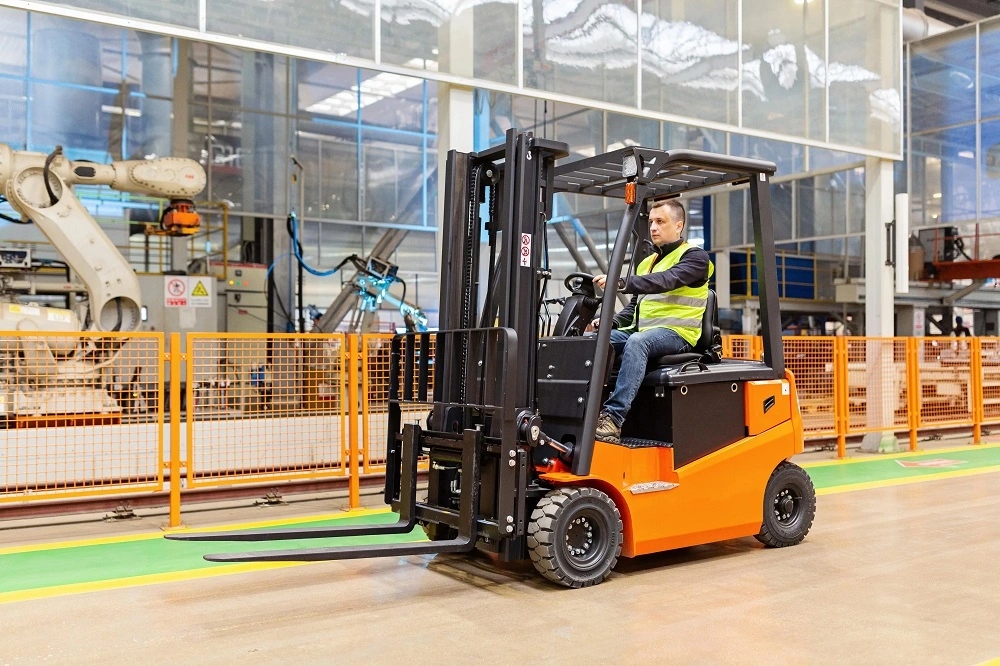
can driving a forklift cause back pain
Operating a forklift places significant stress on the lumbar spine, and many operators report persistent lower back pain after years on the job. This discomfort often stems from prolonged sitting, repetitive twisting, and whole-body vibration. Understanding the biomechanical risks and adopting proactive solutions can protect your spine and improve comfort.
The Biomechanics of Forklift Operation and Spinal Stress
Forklift driving is not a passive activity; it demands constant micro-adjustments to posture, vision, and control inputs. The seated position itself compresses the intervertebral discs, especially when combined with vibration from the engine and uneven warehouse floors. Over time, this repetitive load can accelerate disc degeneration and trigger muscle fatigue.
Why Vibration Is a Hidden Culprit
Low-frequency vibration (4–10 Hz) resonates with the human spine, multiplying the forces felt by the vertebrae. Studies on occupational health show that forklift operators are 2–3 times more likely to develop lumbar disc disorders compared to other warehouse workers. Even short shifts on rough terrain can cause muscular tension that persists well after you step off the truck.
Posture Errors That Worsen Pain
- Slouching forward to see forks or load, which flattens the natural lordotic curve.
- Twisting the torso while reversing or handling pallets, shearing spinal discs.
- Reaching overhead or below seat level without using the seat adjuster.
- Locking knees or bending ankles without proper footrest support.
Ergonomic Upgrades and Seat Technology That Reduce Pain
Modern forklifts are engineered with operator comfort in mind. Advanced suspension seats, adjustable lumbar supports, and pneumatic dampers absorb shock far better than older fixed seats. When evaluating equipment, look for features like full-back support, adjustable armrests, and a wide seat base that distributes pressure evenly.
One manufacturer leading this charge is Liftron Material Handling, which designs trucks with the operator’s spine health as a priority. Their focus on ergonomic cabins, low-vibration powertrains, and intuitive controls reduces the physical toll of long shifts. Investing in such equipment is not an expense but a preventive health measure.
The Role of Suspension Seats and Isolation Systems
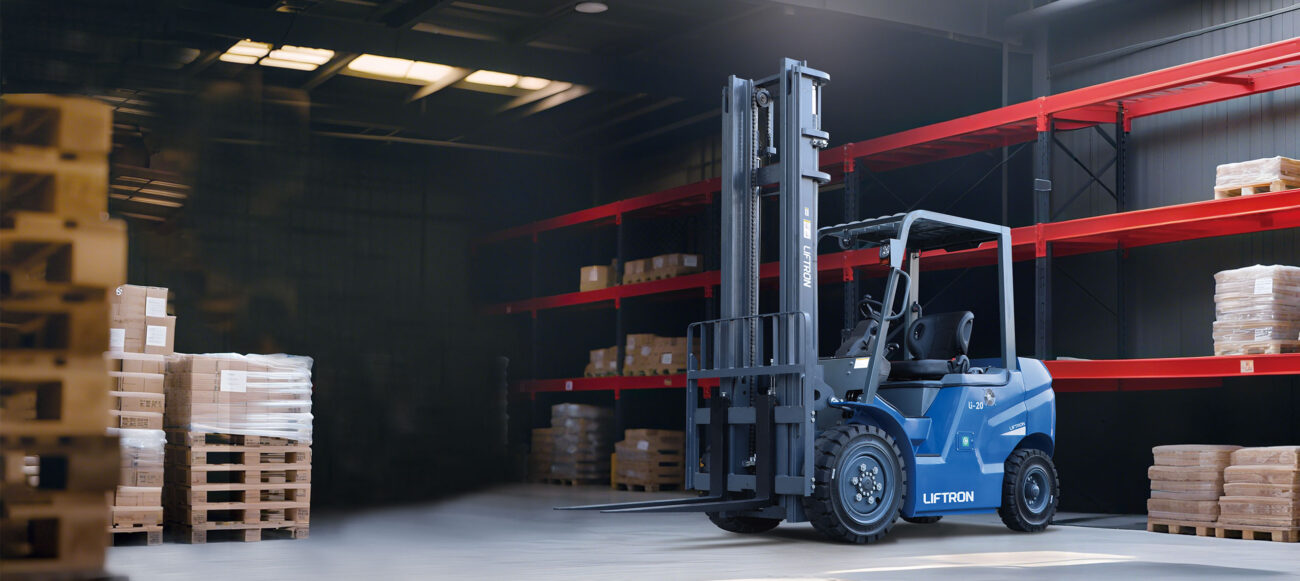
A quality suspension seat can cut vertical vibration transmission by up to 50%. The seat should be adjustable for both your weight and height. Pair this with an isolation-mounted cabin or floorboard to further dampen shock. For example, the Liftron DL SERIES integrates a refined hydro-pneumatic suspension system that significantly reduces whole-body vibration, especially during start-stop maneuvers on loading docks.
Foot Pedal and Lever Layouts That Discourage Twisting
Frequent reaching for levers or pedals forces the pelvis out of neutral alignment. Ergonomic layouts place controls within a natural hand’s arc, while floor-mounted pedals allow your feet to rest flat. This minimizes the need to lean or twist. When a forklift is poorly designed, operators compensate by tightening the oblique muscles, leading to side-dominant back strain.
Immediate Mitigation Strategies for Existing Operators
If you already experience back pain, do not ignore it. The following strategies can be implemented today, without equipment changes:
1. Adjust Your Seat on Every Shift
Set the seat back angle to create a 95-105 degree angle at your hip. Move the seat so your knees are slightly lower than hips. Your shoulders should rest against the seat back, without slumping. Adjust the lumbar pad to fit the curve of your lower back.
2. Use the Full Suspension Travel
Many operators lock out the suspension because they like a stable feel. However, unlocking full travel allows the seat to absorb bumps before they reach your spine. Test different weight settings daily until you find the one where you bounce slightly with each bump.
3. Interval Micro-Breaks
Every 30 minutes, take a 20-second “micro-break.” While remaining seated, press your lower back into the seat, roll your shoulders, and gently flex your feet up and down. If possible, step out and do two or three standing stretches where you reach toward your toes.
4. Avoid the “Craning” Neck Posture
When looking for fork tips, use mirrors or cameras if your model has them. If not, stop the truck completely before leaning forward. Leaning to look over the mast compresses the C-spine and creates a chain reaction down to the L-spine.
Long-Term Solutions: Equipment Selection and Maintenance
The most effective way to eliminate forklift-related back pain is to upgrade your material handling equipment. Older internal combustion trucks generate higher vibration frequencies and lack adjustable seats. Electric and lithium-ion models run smoother and quieter, producing far less mechanical shock.
Lithium-Ion Forklifts and Ride Quality
The Liftron DL SERIES lithium-ion lift trucks offer a unique advantage: they eliminate the entire engine block assembly, reducing low-frequency shake. The electric drivetrain provides smooth acceleration and deceleration, which prevents the jerky torso whiplash that fuel-powered trucks exhibit. Additionally, the absence of a heavy diesel engine shifts the center of gravity, allowing for more compliant suspension tuning on the driver’s seat.
Seat Interchangeability and Aftermarket Support
If replacing the entire forklift is not feasible, check whether the seat can be swapped for an aftermarket ergonomic unit. Many models accept standard seat plates. Pairing a Grammer or Sears seat with a lower-leg rest can dramatically improve posture. However, always consult the manufacturer’s manual or a professional from Liftron Material Handling to verify compatibility with your truck’s cab dimensions.
Practical Habits That Protect Your Lower Back Between Shifts
Pain does not stay on the truck. You can reduce cumulative injury by strengthening your core and gluteal muscles. Simple exercises like bird-dogs, planks, and glute bridges build a muscular brace around your spine. Also, avoid carrying heavy wallets in your back pocket while sitting—this tilts the pelvis and torques the sacroiliac joint.
Hydration is equally critical. Intervertebral discs are composed of water. Dehydrated discs lose height, making them more susceptible to vibration damage. Drink at least 500 ml before your shift and 250 ml every two hours during it.
| Risk Factor | Mitigation Strategy | Expected Benefit |
|---|---|---|
| Whole-body vibration | Use suspension seat with adjustable damping | Reduces spinal load by up to 40% |
| Prolonged sitting | Micro-breaks every 30 minutes | Prevents disc fluid pooling |
| Twisting torso | Use rear view cameras and adjustable mirrors | Eliminates repetitive shear forces |
| Poor seat angle | Adjust seat per anthropometric data | Maintains lordotic curve |
Recognize that back pain is a progressive injury. What starts as a dull ache can evolve into disc herniation or nerve impingement. If you experience pain radiating down your leg, numbness, or weakness, seek medical evaluation. Combine professional care with the engineering solutions described above. Forklift technology has advanced, and companies like Liftron Material Handling offer models that actively minimize spinal stress. The bottom line is simple: your back deserves the same ergonomic consideration as your productivity targets.
Frequent self-assessment of your driving posture and equipment condition goes a long way. Check seat wear, tire balance, and suspension fluid levels regularly—a worn damper silently transfers all impact to your spine. Make comfort a key performance indicator for your fleet. With the right truck and conscious habits, you can operate forklifts for decades without chronic back pain.
Add a review
Your email address will not be published. Required fields are marked *