how to get rid of an old forklift​

How to get rid of an old forklift

Disposing of an old, non-functional, or outdated forklift requires careful planning to ensure safety, profitability, and environmental compliance. This guide outlines the best methods for removal, including selling functional units through online marketplaces or auctions, donating to nonprofits for tax deductions, recycling scrap metal after draining hazardous fluids, and trading in for modern alternatives through dealer programs like those offered by Liftron Material Handling. Key steps include assessing the forklift’s condition—checking the engine, hydraulics, and battery type—and preparing it by cleaning, gathering records, and removing fluids. Avoid common mistakes such as overlooking parts value, neglecting local transport permits, or improper battery disposal. Professional removal services handle heavy, non-running units for costs between $200 and $800. By choosing the right disposal method, you can recover value, reduce environmental impact, and efficiently transition to newer, more efficient equipment.
who buys old forklifts

Who buys old forklifts

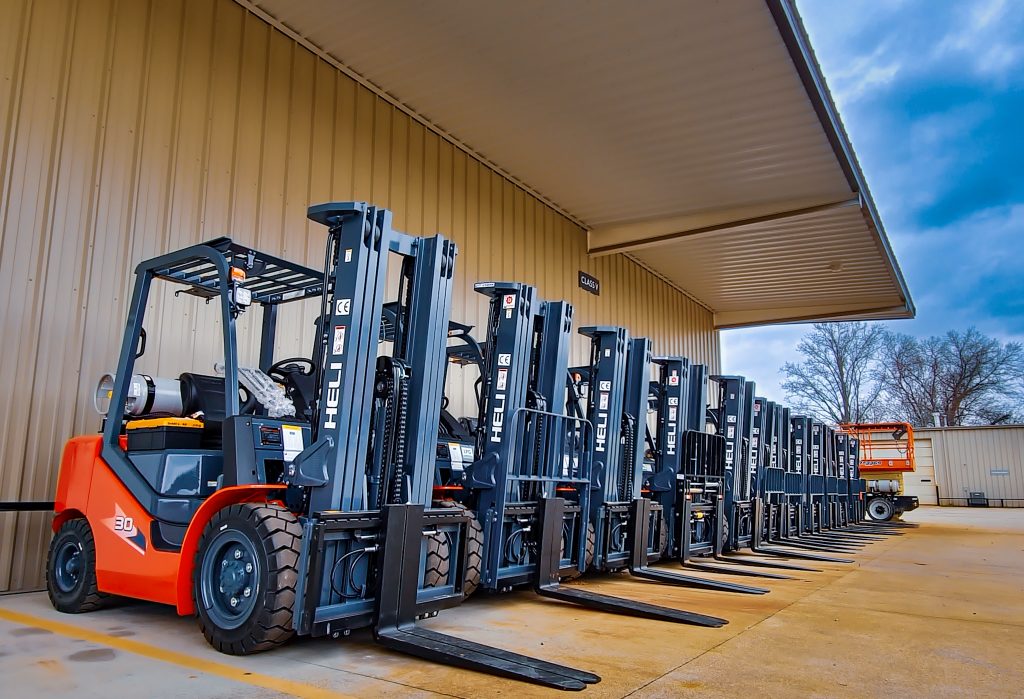
Looking for buyers for your used forklift? A strong resale market exists for pre-owned material handling equipment, including dealers, rental companies, small businesses, and international exporters. Key buyers value brand reputation, low operating hours, detailed maintenance records, and engine type—with electric and lithium-ion models like the Liftron DL SERIES in high demand for their efficiency and low upkeep. To maximize sale value, clean the unit, gather service documentation, price competitively, and advertise through online marketplaces, equipment auctions, classifieds, or trade-in programs. Timing matters too; selling in early spring or before major maintenance intervals can boost offers. Highlight trusted manufacturer lineage and advanced features to differentiate your listing. Whether upgrading or downsizing, a strategic approach helps you turn aging equipment into capital quickly.

what to do with old liftron forklift batteries​

What to do with old liftron forklift batteries

Proper disposal and recycling of old Liftron forklift batteries is essential for environmental safety, regulatory compliance, and operational efficiency. Lead-acid and lithium-ion batteries contain toxic materials that require certified handling to avoid soil and water contamination. Options for end-of-life batteries include recycling through licensed facilities—recovering nearly 99% of components—repurposing for stationary energy storage, or utilizing core exchange programs that offer credits on new purchases. Professional removal and transportation by licensed haulers ensure safety and compliance with DOT and OSHA regulations. For those upgrading, the Liftron DL SERIES lithium-ion batteries provide longer life, faster charging, and zero maintenance, reducing long-term waste and disposal complexity. A step-by-step checklist guides safe handling from inspection to obtaining a recycling certificate. Responsible battery management supports sustainability goals, improves ESG profiles, and may qualify for tax incentives. Contact Liftron Material Handling for tailored advice and modern solutions.

when to replace stand up forklift tires​

When to replace stand up forklift tires

Recognizing when to replace stand up forklift tires is essential for safety, efficiency, and cost control. Worn tires reduce traction, increase tipping risks, damage warehouse floors, and strain mechanical components. Common tire types include polyurethane band tires for indoor use, solid rubber for rough surfaces, and pneumatic for extreme conditions. Key signs of replacement include visible tread wear under 1/8 inch, cracks, missing chunks, cupping, metal showing, vibration, slipping on inclines, and uneven axle wear. Even without visible damage, replace tires every 1,500 to 2,000 operating hours, or sooner for heavy-duty use. Regular inspections—daily visual checks, monthly tread depth measurements, and bearing checks—help catch issues early. Worn tires lead to reduced traction, operator fatigue, floor damage, and fire hazards. Extend tire life through proper pressure, rotation, clean floors, smooth operation, operator training, and alignment checks. Trusted suppliers like Liftron Material Handling offer durable replacement tires for maximum uptime and safety.

what are the regulations for replacing a forklift data plate

What are the regulations for replacing a forklift data plate

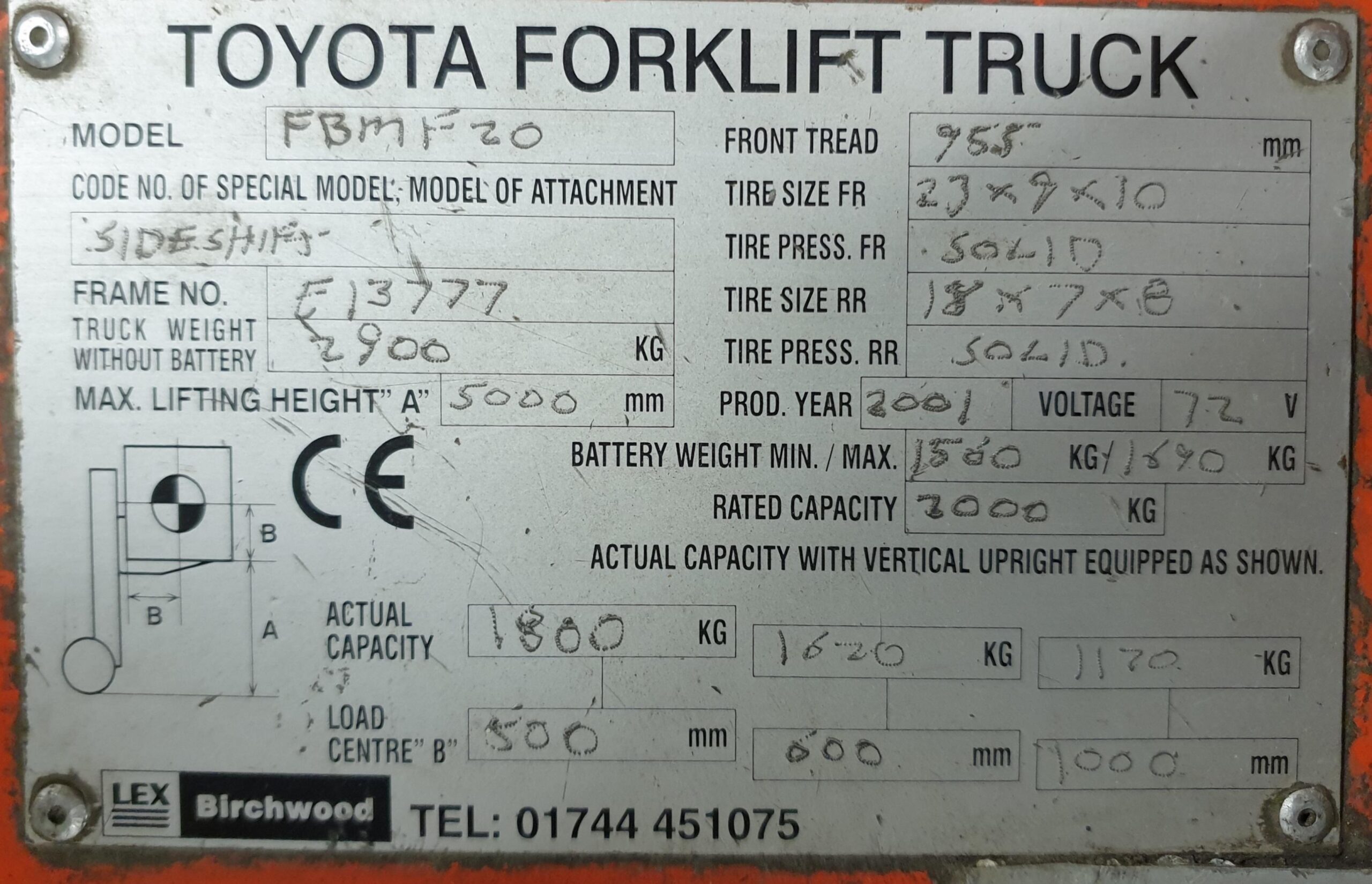
Forklift data plates are legally required identification tags that specify a truck’s capacity, load center, model, and serial number. Replacing a lost or damaged data plate demands strict compliance with OSHA, ANSI, and manufacturer standards. Only the original equipment manufacturer (OEM) or an authorized dealer can issue a replacement, which must match the forklift’s exact configuration at the time of manufacture. Any modifications like attachments or tire changes require an updated plate reflecting new capacity. The process involves locating the serial number, contacting the OEM, verifying correct specifications, and permanently attaching the plate. Non-compliant plates risk OSHA fines, safety hazards, voided warranties, and denied insurance claims. Following best practices, including regular inspections and proper documentation, keeps forklifts safe and legally operable.

when should you add water to a forklift battery​

When should you add water to a forklift battery

Proper watering timing is critical to maximizing forklift battery lifespan and preventing costly damage. The golden rule is to add distilled water only after a full charge and at least one hour of cooling—never before or immediately after charging. Adding water too early causes acid overflow, corrosion, and reduced capacity, while waiting too long leads to plate exposure and sulfation. This guide covers the step-by-step watering process, common mistakes to avoid, signs of low water levels, and frequency recommendations based on usage intensity and temperature. For high-volume operations, automated single-point watering systems offer precision and labor savings. Readers are also introduced to maintenance-free lithium-ion alternatives that eliminate watering entirely. Follow these best practices to extend battery life by up to 30% and avoid premature replacements.

what to inspect on propane tank on forklift​

What to inspect on propane tank on forklift

Regular inspection of propane tanks on forklifts is essential for preventing leaks, fires, and equipment failure while ensuring safety and regulatory compliance. Before each shift, operators should perform a visual exterior check for dents, gouges, rust, or cracks, and examine the valve assembly, O-ring, and safety relief valve for wear or damage. The metal collar and fill ring must be secure and intact, and the date stamp must confirm the tank is within its required recertification period (every 5 or 12 years). After connecting the tank, a soap-and-water leak test should be conducted on all fittings—never use an open flame. Daily checks also include verifying secure mounting and strap condition, while weekly inspections should examine hoses for cuts or hardening. Any defect requires immediate removal from service and professional repair. Facilities seeking to eliminate propane hazards may consider lithium-ion electric alternatives, but regardless of fuel type, consistent inspection routines are key to safe warehouse operations.

why are forklift inspections important

Why are forklift inspections important

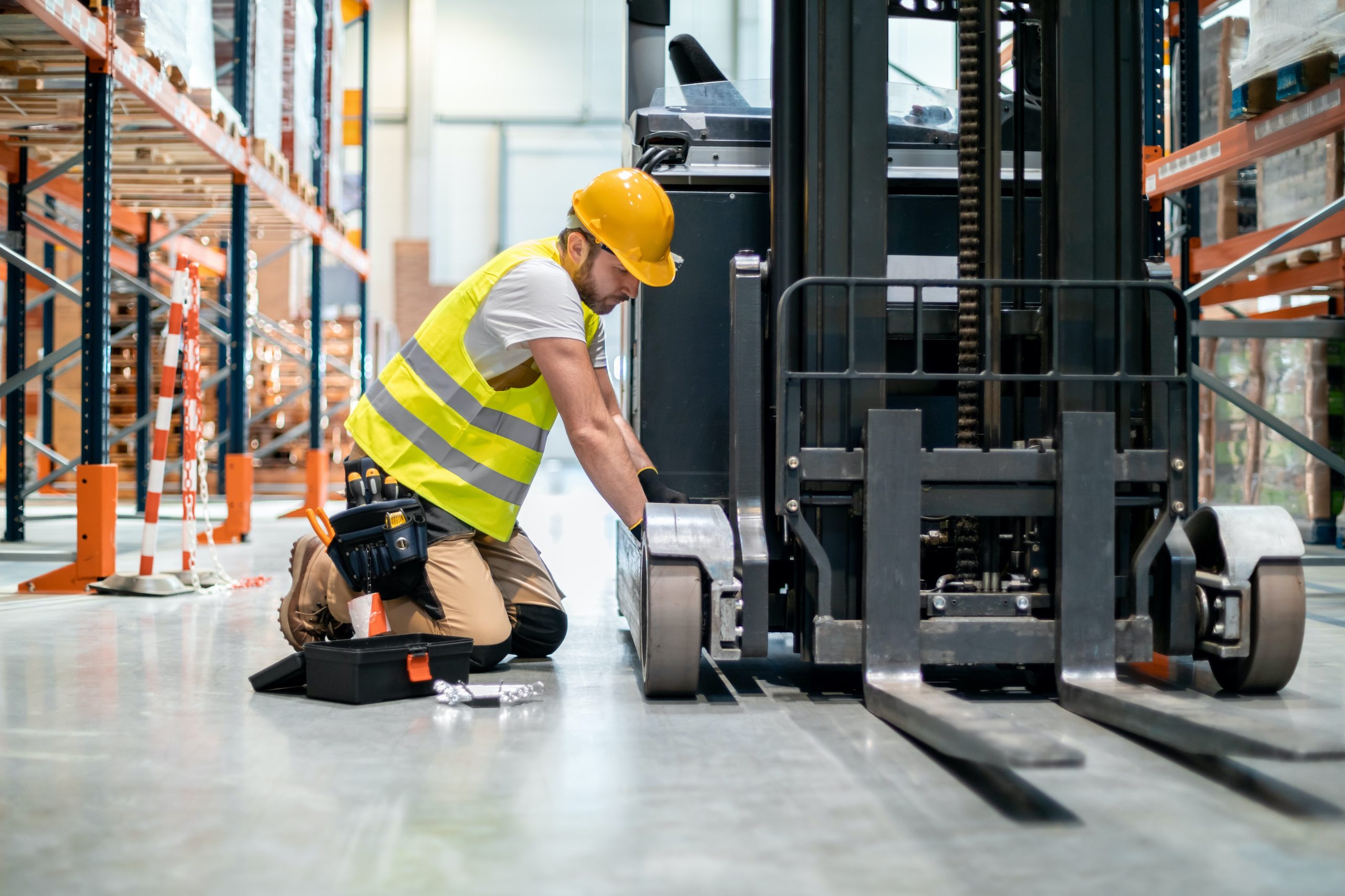
Forklift inspections are essential for workplace safety, regulatory compliance, and cost savings in warehouses and industrial settings. Regular daily checks help prevent accidents by identifying worn tires, leaking fluids, faulty brakes, and damaged forks before they cause dangerous failures or costly downtime. OSHA mandates inspections at least once per shift, with documented records required to avoid fines and legal liability. A proactive inspection program also extends equipment lifespan through early detection of minor issues, reducing unplanned repairs and optimizing fuel or battery performance. Key inspection areas include fluid levels, tires, brakes, forks, lights, and battery systems. Avoiding common mistakes like skipping busy-period checks or failing to document findings strengthens safety culture and operational reliability. For businesses seeking durable, safety-focused equipment, Liftron Material Handling offers forklifts designed for easy inspections and long-term performance. Investing in thorough daily inspections pays dividends in worker protection, reduced operating costs, and consistent productivity.

is there an osha inspection form for forklifts

Is there an osha inspection form for forklifts

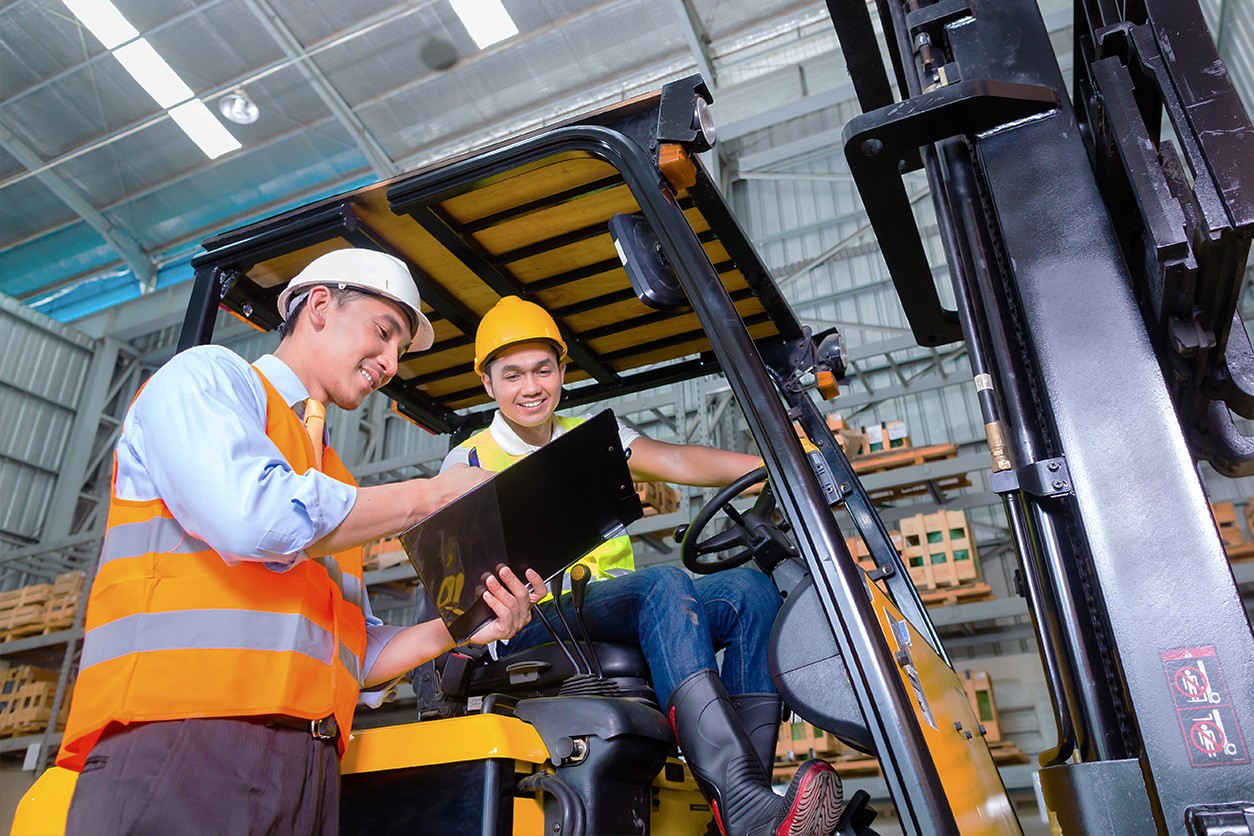
While OSHA does not mandate a single standardized form, it requires employers to conduct and document daily pre-shift inspections of forklifts under 29 CFR 1910.178(q)(7). A compliant inspection checklist must cover critical components such as brakes, steering, tires, lights, horn, forks, mast chains, and safety devices, with spaces for operator name, date, shift, forklift ID, defect notes, and corrective actions. Employers may use OSHA’s model template, industry-specific forms from the National Safety Council, or manufacturer-specific checklists from brands like Liftron Material Handling. Digital inspection apps are increasingly popular, especially for modern lithium-ion models, as they integrate with fleet management and telemetry systems to track battery health and performance. Inspectors must retain records for at least one year to demonstrate compliance and avoid OSHA fines of up to $15,000 per serious violation. Proper training and standardized forms are essential for reducing accident risks, as forklift incidents cause over 60 fatalities and thousands of injuries annually in the U.S.

how often should operators inspect their forklift

How often should operators inspect their forklift

Forklift inspections are essential for workplace safety and compliance with OSHA standards. Operators must perform daily pre-shift checks—including tires, forks, fluids, brakes, lights, and seatbelts—before each use. Weekly, monthly, quarterly, and annual inspections go deeper, covering hydraulics, masts, safety devices, and overall system health. Proper record keeping and checklist use prevent accidents, reduce downtime, and extend equipment life. Common mistakes like skipping components or failing to document findings can compromise safety. Effective operator training and adherence to manufacturer guidelines—such as those for specialized models like lithium-ion forklifts—further enhance reliability. Advanced monitoring solutions can simplify inspection schedules and alert operators to service needs. A consistent inspection routine fosters a culture of safety, protects workers, and ensures long-term equipment performance.

Back to Top
Product has been added to your cart