how high can a sit down forklift reach​

How high can a sit down forklift reach

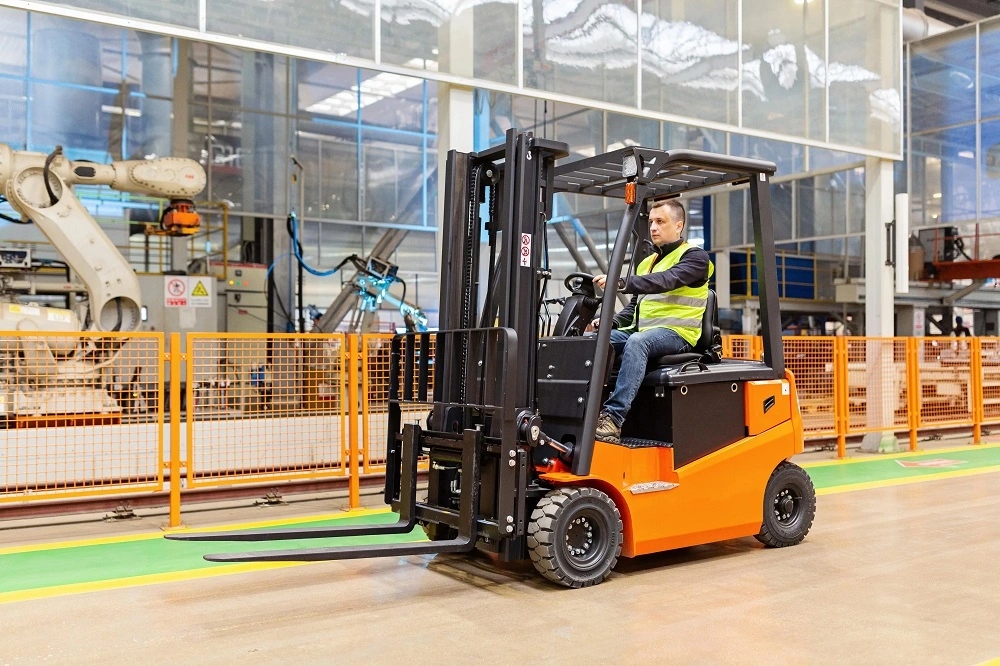
Standard sit-down counterbalance forklifts typically lift between 10 and 20 feet, but specialized models with quad-stage masts can reach 25 to 35 feet for high-bay racking systems. Mast type, load capacity, and battery technology all influence maximum lift height, with higher lifts significantly reducing rated capacity. Triplex masts are ideal for standard warehouse racking up to 20 feet, while quad masts serve taller applications, though operators must consult load charts and prioritize safety to prevent tip-overs. Lithium-ion batteries, as used in modern forklifts, enable taller masts with lighter weight and faster charging, expanding possibilities for elevated storage. For most logistics needs, a 20-foot reach satisfies 90% of handling requirements, but evaluating racking height, clearance, and operator safety is essential for optimizing warehouse efficiency. Always verify load capacity at height and consider reach trucks for applications exceeding 25 feet.

whats the difference between counterbalance and reach forklift​

What’s the difference between counterbalance and reach forklift

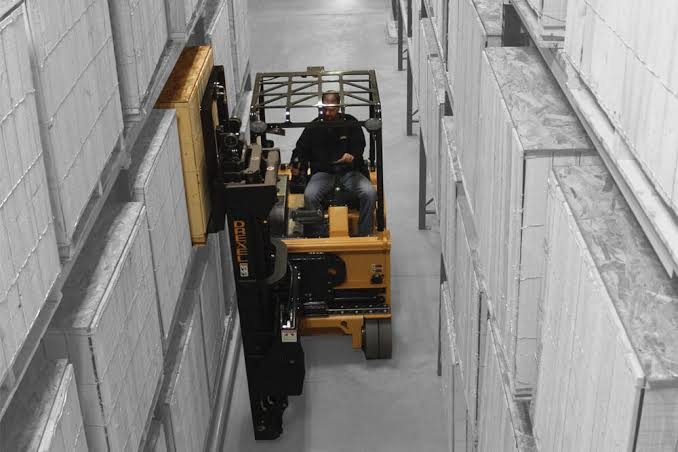
Choosing between a counterbalance forklift and a reach forklift depends on your warehouse layout, lifting needs, and operating environment. Counterbalance forklifts feature a rear counterweight, require wider aisles of 12–14 feet, and handle loads up to 10,000+ pounds on both indoor and outdoor surfaces. Reach forklifts use outriggers and a pantograph mechanism for narrow aisles of 8–10 feet, reaching heights of 30–40 feet, but are limited to indoor use on smooth floors. Counterbalance models offer versatility with electric, LPG, or diesel power, while reach trucks are exclusively electric, maximizing vertical storage in high-density racking. Operator visibility is better on reach trucks, but they require more skill. For cost-effectiveness, counterbalance trucks suit general material handling and truck loading, while reach forklifts deliver ROI in narrow-aisle, high-stack applications. Many facilities benefit from a mix of both. For advanced lithium-ion options, explore the Liftron DL SERIES for fast charging and efficiency.

how to operate a stand up reach forklift

How to operate a stand up reach forklift

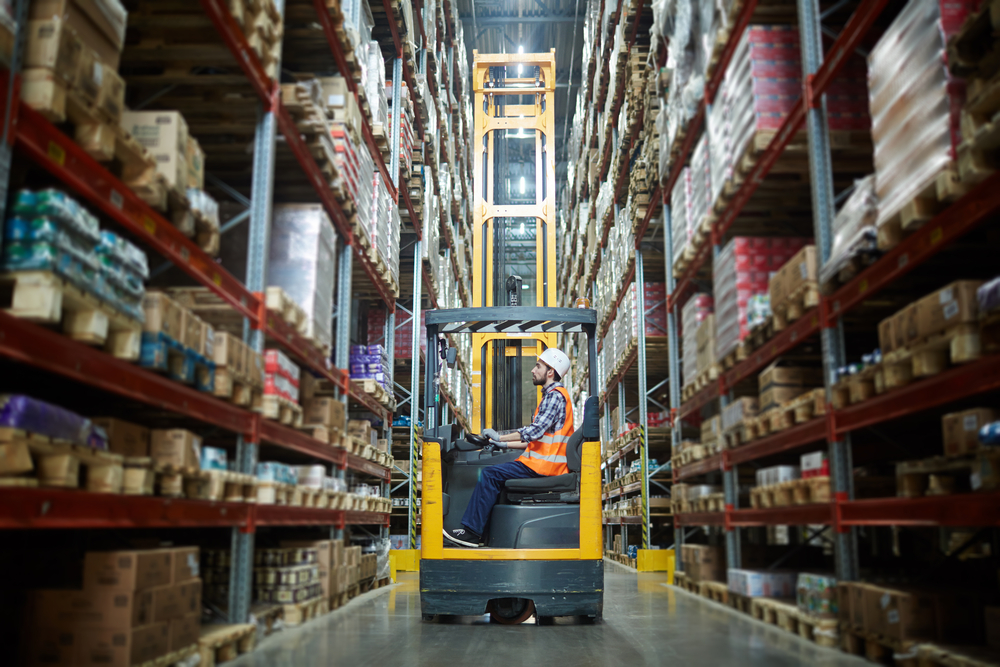
Master safe and efficient operation of a stand up reach forklift with this comprehensive guide covering essential controls, pre-operation inspections, and safety protocols for narrow aisle warehousing. Learn to navigate the pantograph reach mechanism, multi-function tiller control, and mast lifting systems designed for spaces as tight as 8-10 feet. The guide details daily inspection checklists for battery, forks, mast chains, and hydraulic lines, plus critical safety practices including operator presence interlocks, pedestrian collision prevention, and tip-over avoidance. Operators gain techniques for precise load positioning using side shift and reach extension, common mistake prevention, and advanced double-deep racking methods. Charging and maintenance procedures cover both lithium-ion and lead-acid models, with manufacturer-specific guidance for modern equipment like the Liftron DL SERIES. Whether training new operators or refining experienced skills, this resource provides actionable procedures to maximize productivity and workplace safety.

how to drive a high reach forklift

How to drive a high reach forklift

Master the operation of high reach forklifts with essential safety protocols, stability insights, and step-by-step procedures for narrow-aisle warehousing. This guide covers pre-operation checks, driving techniques, lifting and stacking methods, load capacity management, and common mistakes to avoid. Learn how to navigate ramps, maintain mast angle, and handle battery charging for electric models like the Liftron DL SERIES. Emphasis is placed on OSHA training requirements, operator certification, and developing key skills such as visual load inspection and smooth joystick control. Properly trained operators can achieve safe, efficient vertical stacking up to 30 feet in aisles as narrow as 8 feet.

how high can a standard forklift reach

How high can a standard forklift reach

Standard forklifts typically reach lift heights of 10 to 20 feet, with tri-stage masts enabling higher stacking while maintaining stability. However, load capacity decreases as height increases, so consulting the load chart is essential. For operations requiring over 20 feet, specialized equipment like reach trucks, turret trucks, and VNA forklifts can lift loads to 40 feet or more, but demand wider aisles and additional training. Factors such as mast type, tire type, and forklift class also determine maximum reach. Safety is critical at height—always use overhead guards, never exceed rated capacity, and ensure loads are secure. The Liftron DL SERIES lithium-ion forklift offers an efficient 20-foot lift height with rapid charging and advanced stability features, ideal for busy warehouses. To choose the right lift height, measure racking systems, account for ceiling clearance and load weight, and consider tri-stage masts for flexibility. Invest in quality equipment to optimize storage space and operational efficiency.

how to get rid of an old forklift​

How to get rid of an old forklift

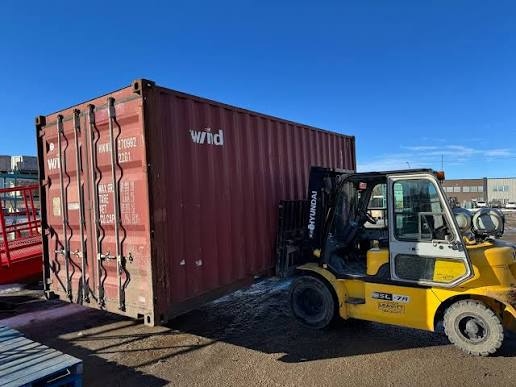
Disposing of an old, non-functional, or outdated forklift requires careful planning to ensure safety, profitability, and environmental compliance. This guide outlines the best methods for removal, including selling functional units through online marketplaces or auctions, donating to nonprofits for tax deductions, recycling scrap metal after draining hazardous fluids, and trading in for modern alternatives through dealer programs like those offered by Liftron Material Handling. Key steps include assessing the forklift’s condition—checking the engine, hydraulics, and battery type—and preparing it by cleaning, gathering records, and removing fluids. Avoid common mistakes such as overlooking parts value, neglecting local transport permits, or improper battery disposal. Professional removal services handle heavy, non-running units for costs between $200 and $800. By choosing the right disposal method, you can recover value, reduce environmental impact, and efficiently transition to newer, more efficient equipment.

who buys old forklifts

Who buys old forklifts

Looking for buyers for your used forklift? A strong resale market exists for pre-owned material handling equipment, including dealers, rental companies, small businesses, and international exporters. Key buyers value brand reputation, low operating hours, detailed maintenance records, and engine type—with electric and lithium-ion models like the Liftron DL SERIES in high demand for their efficiency and low upkeep. To maximize sale value, clean the unit, gather service documentation, price competitively, and advertise through online marketplaces, equipment auctions, classifieds, or trade-in programs. Timing matters too; selling in early spring or before major maintenance intervals can boost offers. Highlight trusted manufacturer lineage and advanced features to differentiate your listing. Whether upgrading or downsizing, a strategic approach helps you turn aging equipment into capital quickly.

what to do with old liftron forklift batteries​

What to do with old liftron forklift batteries

Proper disposal and recycling of old Liftron forklift batteries is essential for environmental safety, regulatory compliance, and operational efficiency. Lead-acid and lithium-ion batteries contain toxic materials that require certified handling to avoid soil and water contamination. Options for end-of-life batteries include recycling through licensed facilities—recovering nearly 99% of components—repurposing for stationary energy storage, or utilizing core exchange programs that offer credits on new purchases. Professional removal and transportation by licensed haulers ensure safety and compliance with DOT and OSHA regulations. For those upgrading, the Liftron DL SERIES lithium-ion batteries provide longer life, faster charging, and zero maintenance, reducing long-term waste and disposal complexity. A step-by-step checklist guides safe handling from inspection to obtaining a recycling certificate. Responsible battery management supports sustainability goals, improves ESG profiles, and may qualify for tax incentives. Contact Liftron Material Handling for tailored advice and modern solutions.

when to replace stand up forklift tires​

When to replace stand up forklift tires

Recognizing when to replace stand up forklift tires is essential for safety, efficiency, and cost control. Worn tires reduce traction, increase tipping risks, damage warehouse floors, and strain mechanical components. Common tire types include polyurethane band tires for indoor use, solid rubber for rough surfaces, and pneumatic for extreme conditions. Key signs of replacement include visible tread wear under 1/8 inch, cracks, missing chunks, cupping, metal showing, vibration, slipping on inclines, and uneven axle wear. Even without visible damage, replace tires every 1,500 to 2,000 operating hours, or sooner for heavy-duty use. Regular inspections—daily visual checks, monthly tread depth measurements, and bearing checks—help catch issues early. Worn tires lead to reduced traction, operator fatigue, floor damage, and fire hazards. Extend tire life through proper pressure, rotation, clean floors, smooth operation, operator training, and alignment checks. Trusted suppliers like Liftron Material Handling offer durable replacement tires for maximum uptime and safety.

what are the regulations for replacing a forklift data plate

What are the regulations for replacing a forklift data plate

Forklift data plates are legally required identification tags that specify a truck’s capacity, load center, model, and serial number. Replacing a lost or damaged data plate demands strict compliance with OSHA, ANSI, and manufacturer standards. Only the original equipment manufacturer (OEM) or an authorized dealer can issue a replacement, which must match the forklift’s exact configuration at the time of manufacture. Any modifications like attachments or tire changes require an updated plate reflecting new capacity. The process involves locating the serial number, contacting the OEM, verifying correct specifications, and permanently attaching the plate. Non-compliant plates risk OSHA fines, safety hazards, voided warranties, and denied insurance claims. Following best practices, including regular inspections and proper documentation, keeps forklifts safe and legally operable.

Back to Top
Product has been added to your cart