when should you add water to a forklift battery​

When should you add water to a forklift battery

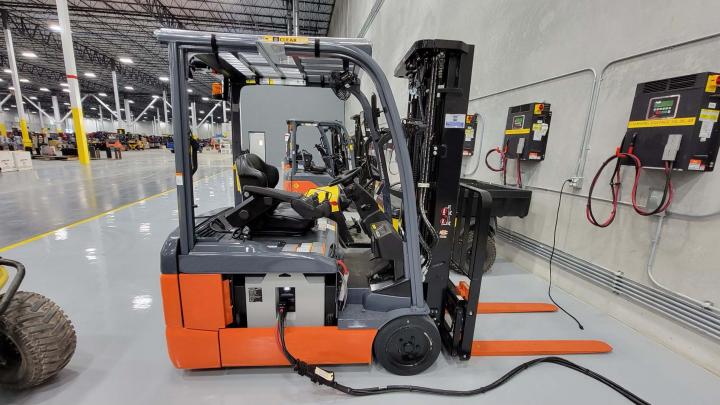
Proper watering timing is critical to maximizing forklift battery lifespan and preventing costly damage. The golden rule is to add distilled water only after a full charge and at least one hour of cooling—never before or immediately after charging. Adding water too early causes acid overflow, corrosion, and reduced capacity, while waiting too long leads to plate exposure and sulfation. This guide covers the step-by-step watering process, common mistakes to avoid, signs of low water levels, and frequency recommendations based on usage intensity and temperature. For high-volume operations, automated single-point watering systems offer precision and labor savings. Readers are also introduced to maintenance-free lithium-ion alternatives that eliminate watering entirely. Follow these best practices to extend battery life by up to 30% and avoid premature replacements.

what to inspect on propane tank on forklift​

What to inspect on propane tank on forklift

Regular inspection of propane tanks on forklifts is essential for preventing leaks, fires, and equipment failure while ensuring safety and regulatory compliance. Before each shift, operators should perform a visual exterior check for dents, gouges, rust, or cracks, and examine the valve assembly, O-ring, and safety relief valve for wear or damage. The metal collar and fill ring must be secure and intact, and the date stamp must confirm the tank is within its required recertification period (every 5 or 12 years). After connecting the tank, a soap-and-water leak test should be conducted on all fittings—never use an open flame. Daily checks also include verifying secure mounting and strap condition, while weekly inspections should examine hoses for cuts or hardening. Any defect requires immediate removal from service and professional repair. Facilities seeking to eliminate propane hazards may consider lithium-ion electric alternatives, but regardless of fuel type, consistent inspection routines are key to safe warehouse operations.

why are forklift inspections important

Why are forklift inspections important

Forklift inspections are essential for workplace safety, regulatory compliance, and cost savings in warehouses and industrial settings. Regular daily checks help prevent accidents by identifying worn tires, leaking fluids, faulty brakes, and damaged forks before they cause dangerous failures or costly downtime. OSHA mandates inspections at least once per shift, with documented records required to avoid fines and legal liability. A proactive inspection program also extends equipment lifespan through early detection of minor issues, reducing unplanned repairs and optimizing fuel or battery performance. Key inspection areas include fluid levels, tires, brakes, forks, lights, and battery systems. Avoiding common mistakes like skipping busy-period checks or failing to document findings strengthens safety culture and operational reliability. For businesses seeking durable, safety-focused equipment, Liftron Material Handling offers forklifts designed for easy inspections and long-term performance. Investing in thorough daily inspections pays dividends in worker protection, reduced operating costs, and consistent productivity.

is there an osha inspection form for forklifts

Is there an osha inspection form for forklifts

While OSHA does not mandate a single standardized form, it requires employers to conduct and document daily pre-shift inspections of forklifts under 29 CFR 1910.178(q)(7). A compliant inspection checklist must cover critical components such as brakes, steering, tires, lights, horn, forks, mast chains, and safety devices, with spaces for operator name, date, shift, forklift ID, defect notes, and corrective actions. Employers may use OSHA’s model template, industry-specific forms from the National Safety Council, or manufacturer-specific checklists from brands like Liftron Material Handling. Digital inspection apps are increasingly popular, especially for modern lithium-ion models, as they integrate with fleet management and telemetry systems to track battery health and performance. Inspectors must retain records for at least one year to demonstrate compliance and avoid OSHA fines of up to $15,000 per serious violation. Proper training and standardized forms are essential for reducing accident risks, as forklift incidents cause over 60 fatalities and thousands of injuries annually in the U.S.

how often should operators inspect their forklift

How often should operators inspect their forklift

Forklift inspections are essential for workplace safety and compliance with OSHA standards. Operators must perform daily pre-shift checks—including tires, forks, fluids, brakes, lights, and seatbelts—before each use. Weekly, monthly, quarterly, and annual inspections go deeper, covering hydraulics, masts, safety devices, and overall system health. Proper record keeping and checklist use prevent accidents, reduce downtime, and extend equipment life. Common mistakes like skipping components or failing to document findings can compromise safety. Effective operator training and adherence to manufacturer guidelines—such as those for specialized models like lithium-ion forklifts—further enhance reliability. Advanced monitoring solutions can simplify inspection schedules and alert operators to service needs. A consistent inspection routine fosters a culture of safety, protects workers, and ensures long-term equipment performance.

which side of the forklift is supporting more weight

Which side of the forklift is supporting more weight

Understanding weight distribution in forklifts is essential for safe operation and load stability. In standard counterbalanced forklifts, the front axle typically supports 70-80% of the total weight when carrying a load, as the forks, mast, and drivetrain transfer the lifted goods directly to the front wheels. The rear axle acts as a counterbalance, carrying only 20-30% of the weight under load to prevent tipping. The center of gravity and load moment—the product of load weight and distance from the front axle—determine stability, with the forklift’s three-point suspension ensuring safe operation. Operators should center loads, keep forks low during travel, and steer cautiously to manage shifting weight. Different forklift types vary, with modern designs like lithium-ion models improving balance through optimized battery placement. Regular axle inspections and maintenance, including tire checks and mast alignment, further enhance safety.

when can you add weight to the counterweight forklift

When can you add weight to the counterweight forklift

Determine exactly when and how to add weight to a counterweight forklift to maintain stability and increase lifting capacity safely. This guide explains that additional counterweight becomes necessary when handling loads near or exceeding the truck’s original rated capacity, using attachments that shift the center of gravity forward, or lifting long and awkward loads. However, proper counterweighting requires more than simply adding mass—it involves calculating the required weight, selecting appropriate materials like cast iron or steel, securing attachments with bolts, and verifying stability through testing. Avoid common mistakes such as unbalanced additions or exceeding axle ratings. Manufacturer approval and capacity plate updates are essential for compliance with safety regulations. For modern solutions, advanced electric counterbalance forklifts like the Liftron DL SERIES feature intelligent stability systems that reduce the need for manual adjustments. Always prioritize safety by consulting qualified engineers and ensuring operator training for modified trucks.

how often should you change hydraulic fluid on a forklift

How often should you change hydraulic fluid on a forklift

Hydraulic fluid change intervals for forklifts typically range from 1,000 to 2,000 hours of use or at least once annually, but factors like heavy loads, dusty environments, and fluid type can shift this timeline. As the lifeblood of the lifting system, hydraulic fluid transmits power, lubricates parts, and dissipates heat. Over time, thermal breakdown, contamination, and oxidation degrade the fluid, leading to sluggish lifting, erratic steering, and costly component wear. Key warning signs include discoloration, foaming, unusual noises, and visible particles. Regular visual inspections every 250–500 hours, combined with scheduled changes and proper filter replacement, extend component life, improve energy efficiency, and enhance safety. Electric forklifts with lithium-ion batteries may see slightly extended intervals due to cooler operation. Avoid common mistakes like mixing fluid types, overfilling, or skipping filter changes. For persistent issues, professional inspection is recommended to prevent system damage and ensure reliable daily performance.

what color is forklift hydraulic fluid​

What color is forklift hydraulic fluid

Forklift hydraulic fluid color—typically clear, red, or light amber when new—serves as a key visual indicator of system health and maintenance needs. Clear or light amber fluid signals fresh, clean oil, while red dye helps identify premium fluids. Milky or cloudy fluid indicates water contamination requiring immediate replacement, and dark brown or black fluid points to oxidation, overheating, or dirt buildup. Regular color checks enable operators to detect pump wear, seal failure, or clogged filters early. Routine inspection involves parking on level ground, lowering forks, and examining fluid in the reservoir. Fluid should be changed if milky or dark, or every 1,000–2,000 hours. Proper fluid selection, such as ISO VG 32 or 46 for models like the Liftron DL SERIES, is crucial. Combining visual checks with scheduled analysis prevents costly repairs and extends equipment life.

why wont my forklift start

Why wont my forklift start

When a forklift won’t start, immediate warehouse disruptions and costly delays often follow. This guide covers the most common causes, including battery issues (dead cells, corroded terminals, or low electrolyte levels), faulty ignition switches, triggered safety interlocks (seat sensor, parking brake, neutral position), fuel system problems in internal combustion models, and starter motor or solenoid failure. Modern forklifts may also suffer from corroded wiring or sensor malfunctions that mimic a dead battery. A step-by-step troubleshooting table helps you check dashboard lights, battery voltage, safety interlocks, and fuel supply systematically. If basic checks fail, professional diagnostics may be needed for complex electrical or engine repairs. Preventive tips like daily inspections, proper charging, and filter replacement reduce starting issues. For persistent problems, upgrading to advanced lithium-ion solutions, such as the Liftron DL SERIES, can eliminate traditional battery troubles and improve reliability. Regular maintenance and modern equipment choices keep operations running smoothly.

Back to Top
Product has been added to your cart