
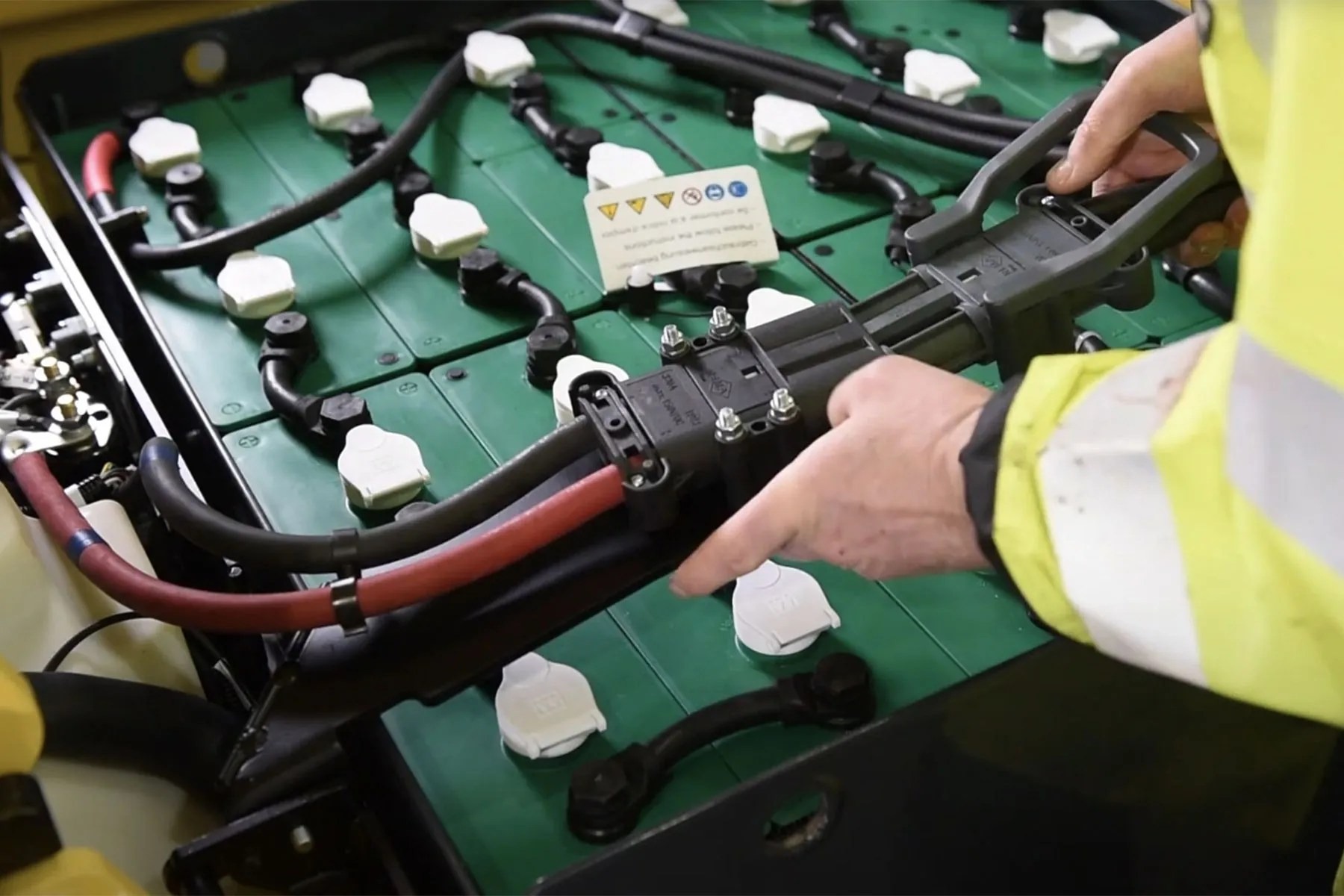
how to raise specific gravity in a forklift battery
Specific gravity in a forklift battery measures the electrolyte’s density, directly indicating its state of charge and overall health. Raising it correctly involves adding sulfuric acid, but only after confirming the low reading stems from electrolyte loss, not normal discharge, to prevent damage and capacity loss.
Understanding Specific Gravity in Forklift Batteries
Specific gravity is the ratio of the electrolyte’s weight compared to an equal volume of pure water. In a lead-acid forklift battery, this value typically ranges from 1.265 (fully charged) to 1.120 (fully discharged). As the battery discharges, sulfate from the electrolyte bonds with the lead plates, lowering the acid concentration and dropping the specific gravity. When you recharge, the sulfate returns to the electrolyte, raising the gravity again. Thus, the reading is a reliable snapshot of your battery’s charge level—not necessarily a sign that acid needs to be added.
When Should You Raise Specific Gravity?
There are only two legitimate reasons to intervene and raise specific gravity:
- Electrolyte loss due to evaporation or overwatering: Water evaporates during charging, especially in hot environments. If you refill with water but never acid, the electrolyte becomes diluted, and specific gravity drops permanently.
- Acid spillage or leak: A cracked cell or tipped battery may lose acid. In such cases, replacing the lost electrolyte with acid of the correct concentration restores gravity.
If your battery is simply discharged, adding acid will not solve the problem—it will shorten battery life. Only charge the battery fully and re-test. Always confirm gravity readings at a full charge, after a cool-down period of at least one hour, using a temperature-compensated hydrometer or refractometer.
Step-by-Step Procedure to Raise Specific Gravity
Before handling any chemicals, wear full personal protective equipment (PPE): acid-resistant gloves, goggles, face shield, and an apron. Work in a ventilated area with neutralizer (baking soda) nearby. Follow the manufacturer’s safety data sheet for your battery.
Step 1: Fully Charge and Equalize the Battery
Always start with a complete charge cycle. After charging, allow the battery to rest for at least 1–2 hours so gas bubbles dissipate. Take a baseline reading from each cell. Record values—healthy cells should be within 0.010–0.015 of each other. If all cells are uniformly low (e.g., 1.200), the battery is either heavily discharged or permanently sulfated. Charge again at a lower rate if needed.
Step 2: Measure Electrolyte Levels
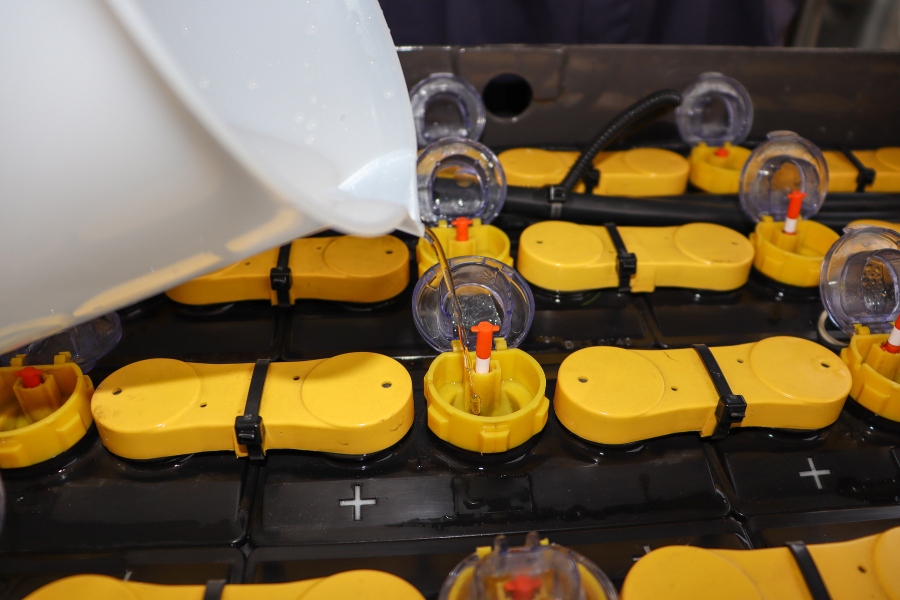
Check that the electrolyte covers the top of the plates by at least 1/8 to 1/4 inch (3–6 mm). If the level is below this, add only distilled water to bring it to the minimum mark. Do not add acid before you know the exact level—you might overfill and cause overflow during charging.
Step 3: Test Specific Gravity in Each Cell
Using a hydrometer, draw enough electrolyte into the bulb so the float rises freely. Read the scale at eye level. If the reading is below 1.225 after a full charge and the level is correct, you have diluted electrolyte. If some cells read high and others low, note which cells need correction—do not treat all cells the same.
Step 4: Prepare the Correct Acid Solution
You never add pure sulfuric acid directly to a battery. Use battery-grade sulfuric acid (33.5% concentration) or purchase a pre-mixed electrolyte solution with a specific gravity of 1.300–1.320. Mix your own only if you have the proper training and equipment—always add acid to water, never water to acid. Use a plastic container and stir gently.
Step 5: Add Acid Carefully
Using a squeeze bottle with a narrow spout or a battery filler, add the acid solution slowly to the cells that need it. Add in small increments (e.g., 10–20 ml) and remix by gentle agitation with a clean plastic rod. Do not overfill—leave room for expansion during charging. Recheck the specific gravity after each addition. The target is to bring the reading to 1.265–1.280 at full charge.
Step 6: Recharge and Re-Test
After adding acid, always perform a full recharge. Charging mixes the electrolyte thoroughly. After a rest period, take final readings. If cells still read low, repeat the process but only if the liquid level allows. Never add acid to a full cell without siphoning some electrolyte out first—this is a delicate procedure best done by a professional.
| Specific Gravity Reading | Battery Condition | Action Required |
|---|---|---|
| 1.265–1.300 | Fully charged, healthy | No action |
| 1.225–1.260 | Partially charged or slightly diluted | Charge first, then retest |
| 1.150–1.220 | Discharged or diluted electrolyte | Charge, then consider acid adjustment |
| Below 1.150 | Heavily discharged, sulfated, or damaged | Consult a professional; acid may not help |
Common Mistakes to Avoid
- Adding acid to a discharged battery: This permanently raises acid concentration and corrodes plates.
- Using tap water: Mineral content can cause permanent sulfation and reduce battery life.
- Overfilling cells: During charging, electrolyte expands; overflow causes acid loss and corrosion.
- Not temperature-compensating readings: Specific gravity changes with temperature (≈0.004 per 10°F). Use a temperature-corrected hydrometer or apply correction factors.
- Mixing acid strengths across cells: Always balance all cells to the same target range.
When Not to DIY: Professional Help
If your battery is old (over 5 years), has cracked casing, or you find more than 0.030 difference between cells, it’s safer to consult a service technician. Attempting to raise specific gravity in a failing battery will not restore capacity and may cause acid leaks, dangerous gas buildup, and premature failure. In many cases, replacing the battery is more cost-effective than repeated electrolyte adjustments.
Preventive Measures for Optimal Specific Gravity
The best way to maintain correct specific gravity is to prevent the conditions that lower it. Always use distilled water for topping off, water only after charging (not before), and keep the battery clean and dry. Monitor your charging profile—overcharging increases water loss, while undercharging causes sulfation that locks sulfate in the plates, permanently lowering gravity. A proactive watering system can help maintain consistent electrolyte levels.
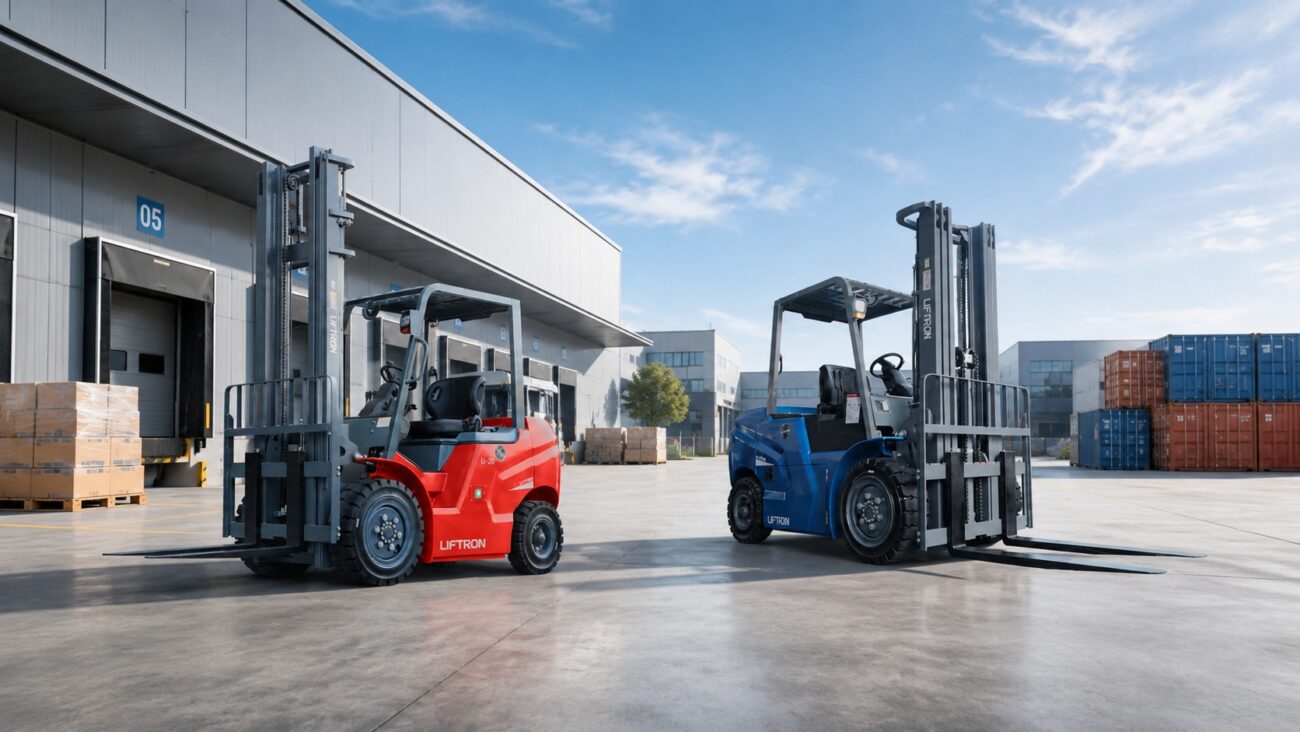
For fleets looking for modern, maintenance-free alternatives, Liftron Material Handling offers advanced solutions that eliminate the daily burden of electrolyte management. Their lithium-ion technology does not require water refills, specific gravity checks, or acid handling, while delivering faster charging and longer cycle life. Specifically, the Liftron DL SERIES is engineered for high-intensity operations, providing consistent power output without the fading associated with lead-acid batteries. This option sidesteps specific gravity concerns entirely, benefiting operators who prioritize uptime and safety.
Final Checklist Before Raising Specific Gravity
- Confirm the battery is fully charged and rested.
- Verify electrolyte level—add water only if below plates.
- Take baseline readings from all cells with a calibrated hydrometer.
- Use only battery-grade acid, never automotive acid.
- Add acid in small increments and never directly to a hot battery.
- Recharge fully after any acid addition and re-measure.
Remember that raising specific gravity is a corrective maintenance action, not a routine task. If you find yourself frequently needing to adjust acid concentration, investigate root causes such as overwatering, charging at excessive voltages, or operating in extreme heat. In such cases, auditing your charging equipment and operator training may be more effective than repeated chemical adjustments. For long-term efficiency, consider contacting a professional from Liftron Material Handling to evaluate your energy storage strategy—they can guide you toward either optimized lead-acid care or a zero-maintenance lithium solution like the Liftron DL SERIES. Bulletproof maintenance habits, aligned with modern technology, are the best path to reliable forklift performance and lower total cost of ownership.
Add a review
Your email address will not be published. Required fields are marked *