
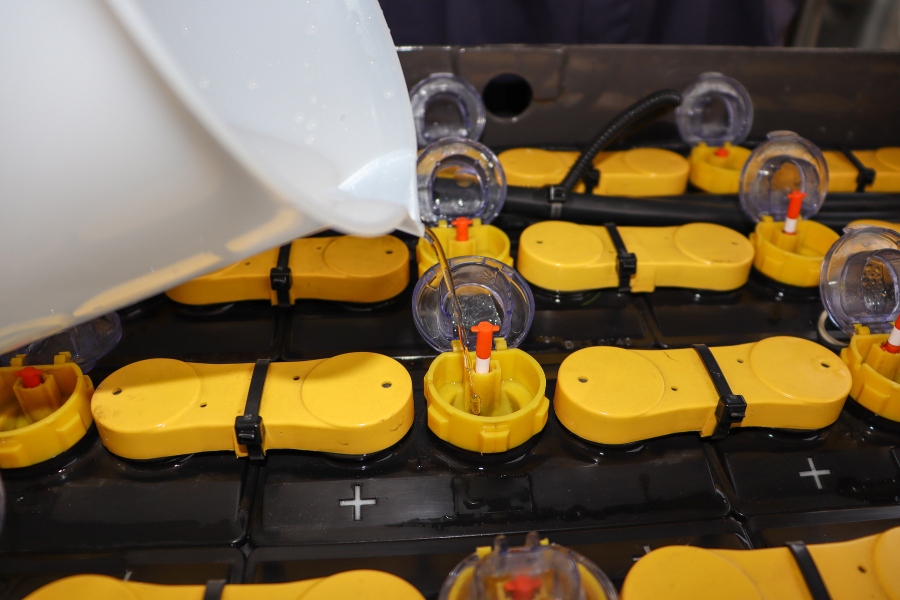
how to put water in a wet cell forklift battery
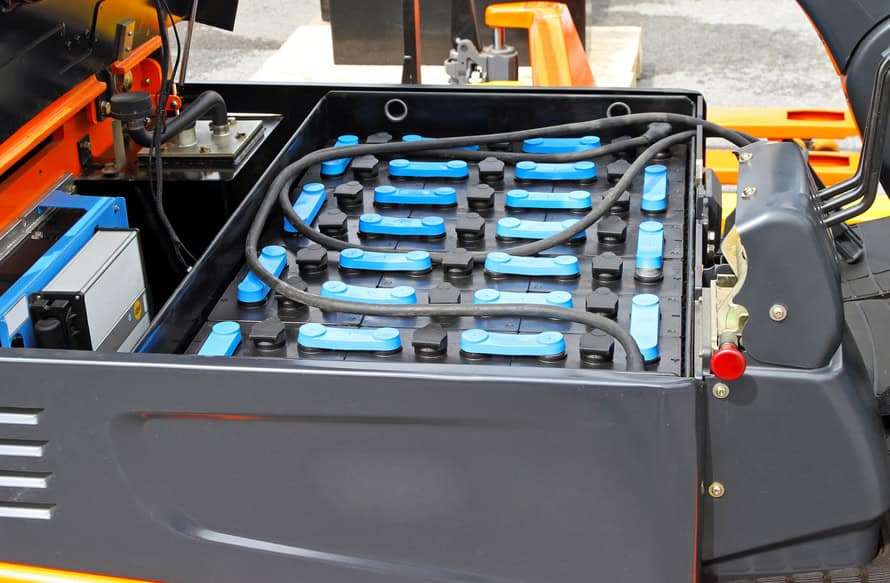
Properly adding water to a wet cell forklift battery is a critical maintenance task that prevents damage, extends lifespan, and ensures safe operation. This guide covers the exact steps, safety rules, water quality requirements, and level checks you need to know—while also highlighting how modern alternatives like the Liftron DL SERIES can reduce or eliminate these chores altogether.
Why Watering a Wet Cell Forklift Battery Matters
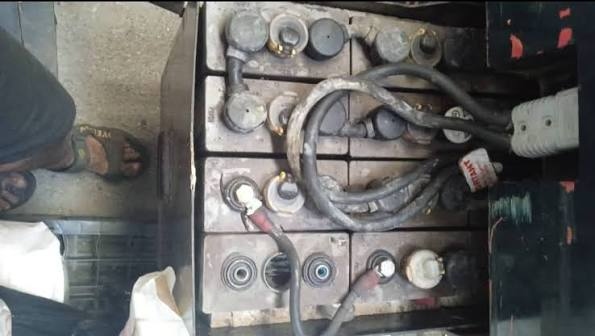
Wet cell (flooded lead-acid) batteries are the workhorses of electric forklifts. During charging, the electrolyte solution (water and sulfuric acid) undergoes electrolysis, which breaks down water into hydrogen and oxygen gases. This process naturally consumes water. If the electrolyte level drops too low, the exposed lead plates become sulfated, lose capacity, and can suffer permanent heat damage. Overwatering, on the other hand, causes acid overflow, corrosion of terminals, and reduces electrolyte concentration. Correct watering is a balancing act between exposing plates and preventing overflow.
Safety First: Essential Precautions
Before touching the battery, you must protect yourself and the equipment. Always wear chemical-resistant gloves, safety goggles, and an acid-resistant apron. The battery surface can be corrosive, so never place tools on top of it. Remove any metal jewelry. Ensure the charging area has proper ventilation to disperse hydrogen gas, which is explosive in concentrated amounts. Never smoke or create sparks near the battery. Also, keep a neutralizing agent (like baking soda and water) nearby to handle accidental acid spills.
When to Check the Electrolyte Level
Check the water level only after the forklift has been fully charged and allowed to rest for at least 30 minutes to one hour. This is because charging causes the electrolyte to expand and bubble, giving a false high reading. Adding water before charging can lead to overflow during the charge cycle. The best routine is to check every battery every five charging cycles, or weekly if the forklift is used daily. If you notice that a cell consistently needs more water than others, it could indicate a damaged cell or overcharging.
Step-by-Step Guide to Adding Water
Follow these sequential steps to safely and correctly refill your wet cell battery.
1. Gather the Right Tools and Water
You will need distilled or deionized water only. Never use tap water, well water, or filtered drinking water, as they contain minerals (calcium, magnesium, iron) that contaminate the electrolyte, cause internal short circuits, and drastically reduce battery life. Purchase distilled water from a supplier. Use a plastic watering jug, a battery watering bottle with a flexible spout, or an automatic shut-off watering system. Do not use metal funnels, which can create sparks or react with acid.
2. Open the Cell Caps Safely
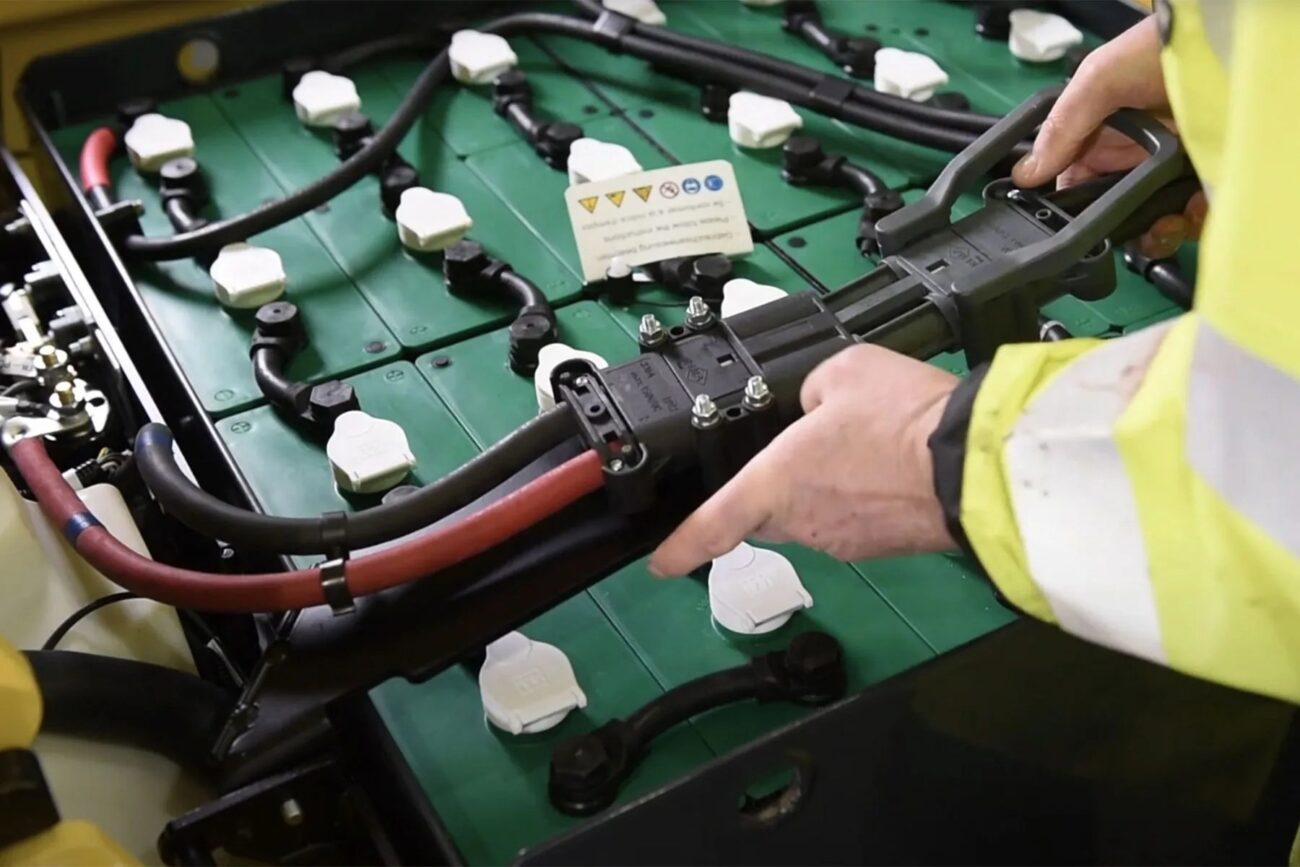
Lift the battery cover or access lid. Locate the six or more individual cell caps (usually a single row of rectangular caps, sometimes finger-tightened). Wipe the top of the battery with a clean rag to remove dust and grime before opening. Then, gently turn the caps counterclockwise to loosen them. Avoid using excessive force if they are stuck—use a strap wrench if necessary, but never pry them with a screwdriver. Set the caps aside on a clean, dry surface.
3. Visually Inspect the Electrolyte Level
Look inside each cell opening. The electrolyte should cover the battery plates completely. In most wet cell batteries, there is a visible plastic “flap” or an indicator line inside the cell. The ideal level is just above the plates but below the bottom of the filler tube (the vertical cylinder you insert the spout into). If the plates are exposed, that cell is dangerously low. If the level is at the bottom of the filler tube, it is perfect. If it is near the top, do not add water. Inspect all cells, as levels can vary significantly.
4. Fill with Distilled Water
Insert the spout of your watering bottle into the cell opening. Squeeze the bottle gently to add water, stopping frequently to check the level. Fill until the water reaches the bottom of the filler tube (about 1/4 to 1/2 inch above the plates). Do not fill to the top of the cell. A common mistake is to fill to the brim—this causes acid to spill onto the battery surface during charging, which corrodes terminals and strap connections. If you accidentally overfill, use a clean turkey baster or syringe to extract the excess.
5. Reinstall the Caps and Clean Up
After filling all cells, place each cap back and tighten them firmly by hand. Do not overtighten, as this can crack the plastic. Wipe the battery surface with a dry rag to remove any water or acid residue. Dispose of the rag or rinse it thoroughly. Finally, wash your gloves and tools with a baking soda solution to neutralize any acid. Double-check that no tools or rags remain near the battery compartment.
Common Watering Mistakes to Avoid
Even experienced operators make errors. The most frequent include adding water before charging, which often causes overflow. Another is using tap water out of convenience, which brings in hard minerals that create “white sludge” on plates. Overfilling cells is common and leads to electrolyte boil-over, which is dangerous. Also, never add water to a hot battery immediately after heavy use; let it cool first. Lastly, do not rely on the color of the electrolyte—use the physical level indicator inside the cells.
How to Determine the Correct Water Level
Because batteries vary, consult your forklift brand’s manual. However, the universal rule is: the electrolyte must cover the top of the exposed lead plates by at least 1/8 inch, but should never come closer than 1/4 inch to the bottom of the filler tube. A good visual check is to shine a flashlight into the cell. If you see a clear line where the plates end and the liquid begins, that is the level. If you see dry, gray-looking plate edges, water is critically low.
| Battery Condition | Electrolyte Level | Action Required |
|---|---|---|
| Plates exposed | Below plate top | Add distilled water immediately before charging |
| Plates just covered | At plate top | Add water until 1/8 inch above plates |
| Optimal | Bottom of filler tube | No action needed |
| Near the top | Close to cap | Do not add; risk of overflow |
Alternative: Reducing or Eliminating Watering with Lithium-Ion
While proper watering is manageable, it is time-consuming and prone to human error. If you are tired of weekly watering, checking specific gravity with a hydrometer, and dealing with acid spills, consider upgrading to lithium-ion technology. A prime example is the Liftron DL SERIES battery system. These batteries are completely sealed and maintenance-free—no watering, no equalizing charges, and no acid handling. They also deliver consistent voltage throughout the discharge cycle, which increases forklift productivity.
For companies that want to keep their existing lead-acid fleet, implementing a disciplined watering schedule is essential. But for new equipment purchases or battery replacements, the long-term cost savings of eliminating watering labor, reducing downtime, and avoiding battery replacement every 1,500 cycles make lithium-ion very attractive. At Liftron Material Handling, our experts can advise on the best energy solution for your facility’s shift patterns and throughput requirements—whether that means optimizing your wet cell maintenance or transitioning to the zero-maintenance Liftron DL SERIES.
Final Checks After Watering
Once all cells are filled and caps are on, do not immediately charge the forklift. Let the battery sit for at least 30 minutes so the water can naturally diffuse into the electrolyte solution. If you added water before charging (which is not recommended), skip charging for a few hours. After the rest period, you may begin a normal charge cycle. Periodically monitor the battery temperature while charging—if it exceeds 110°F (43°C), the battery may be overcharged or have a failing cell. In that case, stop charging and contact your maintenance provider.
By following this guide, you will keep your wet cell forklift battery running at peak performance, avoid costly downtime, and maximize your investment. Remember to always use distilled water, check after charge, and never overfill. If maintaining wet cells becomes a burden, the Liftron DL SERIES offers a seamless, water-free alternative backed by Liftron Material Handling‘s quality support.
Add a review
Your email address will not be published. Required fields are marked *