
how to increase the life of your forklift
Smart Maintenance Strategies That Extend Forklift Lifespan
Forklifts are significant investments, and maximizing their operational lifespan directly impacts your bottom line. By implementing proactive care routines and operator best practices, you can avoid costly breakdowns and premature replacements. This guide provides actionable strategies to keep your fleet running reliably for years, covering daily inspections, proper charging habits, and the benefits of modern equipment from trusted providers like Liftron Material Handling.
Daily Operator Checks: The First Line of Defense
The most effective way to prolong forklift life is to catch small issues before they become major failures. A simple pre-shift inspection takes less than ten minutes but can prevent catastrophic damage. Train operators to document any irregularities immediately.
Fluid Levels and Leaks
Check engine oil, hydraulic fluid, coolant, and brake fluid levels daily. Look beneath the forklift for puddles or drips. A minor hydraulic leak, if ignored, can lead to pump failure and expensive repairs. Always use the manufacturer’s recommended fluid grades.
Tires and Wheels
Inspect tires for uneven wear, cuts, or embedded debris. Cushion tires should have adequate tread depth, while pneumatic tires must maintain proper air pressure. Uneven wear often signals misalignment or overloading, which strains the entire drivetrain.
Forks and Mast Assembly
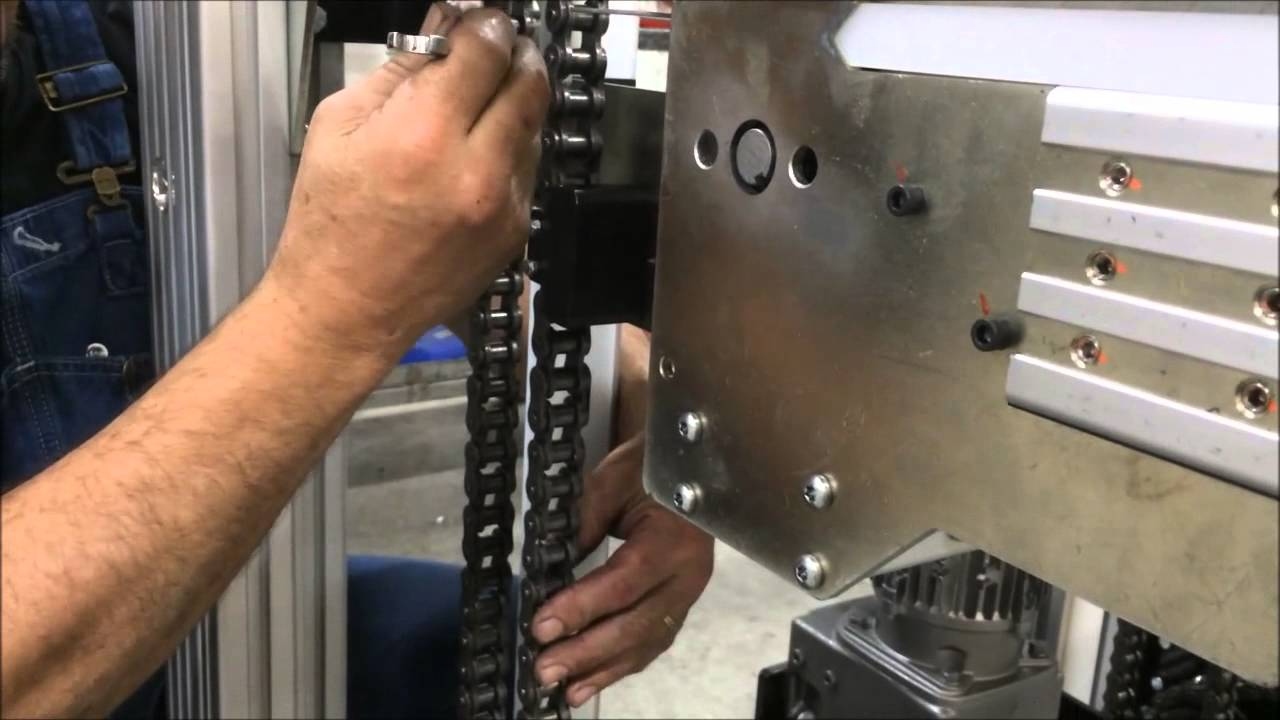
Examine forks for cracks, bends, or excessive wear on the heel. Verify the mast chains and rollers are lubricated and adjusted correctly. Misaligned forks cause unnecessary stress on the carriage and tilt cylinders, reducing their operational lifespan.
Battery Care for Electric Models
For electric forklifts, the battery is the heart of the machine. Improper charging habits account for a significant percentage of premature battery failures. Follow these rules to maximize battery life and overall truck longevity.
- Never discharge below 20%: Deep discharges damage lead-acid cells. Recharge when the charge indicator hits 30%.
- Cool down before charging: Always allow the battery to cool for 30 minutes after operation before plugging in to avoid overheating.
- Water after charging: Add distilled water only after a full charge, not before, to prevent overflow and mineral buildup.
- Equalize periodically: Perform an equalizing charge every 5-10 cycles to balance cell voltages and prevent sulfation.
If you’re considering an upgrade, modern lithium-ion options like the Liftron DL SERIES eliminate many of these maintenance headaches. These batteries require zero water topping, charge in under two hours, and deliver consistent power without the need for cool-down periods.
Operator Training and Load Discipline
Human behavior is the single largest variable in forklift wear. Even the most rugged machine will fail quickly if operated aggressively or overloaded. Reinforce these rules during safety meetings.
Respect Rated Capacity
Never lift loads that exceed the nameplate rating, even occasionally. Overloading strains the mast, hydraulic cylinders, and frame. Repeatedly exceeding capacity leads to stress fractures that are not covered under warranty.
Smooth Acceleration and Braking
Sudden starts and rapid stops cause drivetrain shock and excessive tire scrubbing. Encourage operators to use gentle, continuous pressure on pedals. This habit also saves energy on electric models, extending shift time.
Avoid Impacts with Docks and Racks
Driving into dock plates or rack legs transfers violent forces through the steer axle and suspension. These impacts misalign wheels and bend tie rods. Mandate a slow approach speed within five feet of any structure.
Lubrication and Scheduled Maintenance
Friction is the enemy of every moving part. Adhere to the factory maintenance schedule precisely. Skipping a service interval to save a few hundred dollars often results in a multi-thousand-dollar repair within months.
| Component | Interval | Recommended Action |
|---|---|---|
| Mast chains | Every 500 hours | Clean and apply non-detergent oil |
| Steer axle pivot | Every 1,000 hours | Grease fitting with lithium-based grease |
| Carriage rollers | Every 2,000 hours | Inspect for flat spots, replace if worn |
| Hydraulic oil filter | Every 1,000 hours | Replace filter element and check oil for metal particles |
| Brake system | Every 1,500 hours | Adjust clearance, inspect pads for glazing |
Use only genuine replacement parts. Aftermarket filters or seals may be cheaper, but they often lack the precise tolerances needed to protect your investment. A clogged air filter starves the engine of air, causing incomplete combustion that damages cylinders over time.
Environmental Factors and Storage
Where your forklift operates and sleeps matters. Corrosive atmospheres and extreme temperatures accelerate wear. For outdoor fleets, protect the equipment from the elements as much as possible.
- Indoor storage: Store electric forklifts indoors away from rain and freezing temps. Cold batteries lose up to 30% of their capacity.
- Dry and clean area: Keep the work area free of abrasive dust, which seeps into hydraulic seals and mast channels.
- Ventilation: For gas or diesel models, ensure the storage area is well-ventilated to prevent moisture condensation inside the fuel tank.
Leveraging Modern Technology
Newer forklifts often come with telematics and diagnostic sensors that alert you to issues before a breakdown. If you’re on an aging fleet, consider retrofitting simple hour meters and battery discharge indicators. The cost is minimal compared to the protection they provide.
Furthermore, upgrading to advanced lithium-ion technology from Liftron Material Handling or the specific Liftron DL SERIES can fundamentally change your maintenance schedule. These units have regenerative braking that reduces brake pad wear, sealed IP54-rated batteries that require no cleaning, and on-board diagnostics that alert you to potential failures in real time. Operators also find that the immediate torque of lithium models reduces gearbox strain because acceleration is smoother.
Track Replacement Cost Per Hour
The most reliable metric for forklift longevity is total cost of ownership (TCO) divided by operating hours. If your maintenance costs begin to exceed 30% of the machine’s replacement value annually, it is time to consider replacement. Regular preventive care ensures that you reach the manufacturer’s expected lifespan, which is typically 10,000 to 15,000 hours for electric models and 8,000 to 12,000 for internal combustion units.
By integrating all of these practices—daily inspections, disciplined driver behavior, rigorous lubrication, and smart component upgrades—you will not only extend the life of your forklift but also improve operator safety and productivity. Remember, a few minutes of prevention each day saves weeks of downtime in the long run.
Add a review
Your email address will not be published. Required fields are marked *