
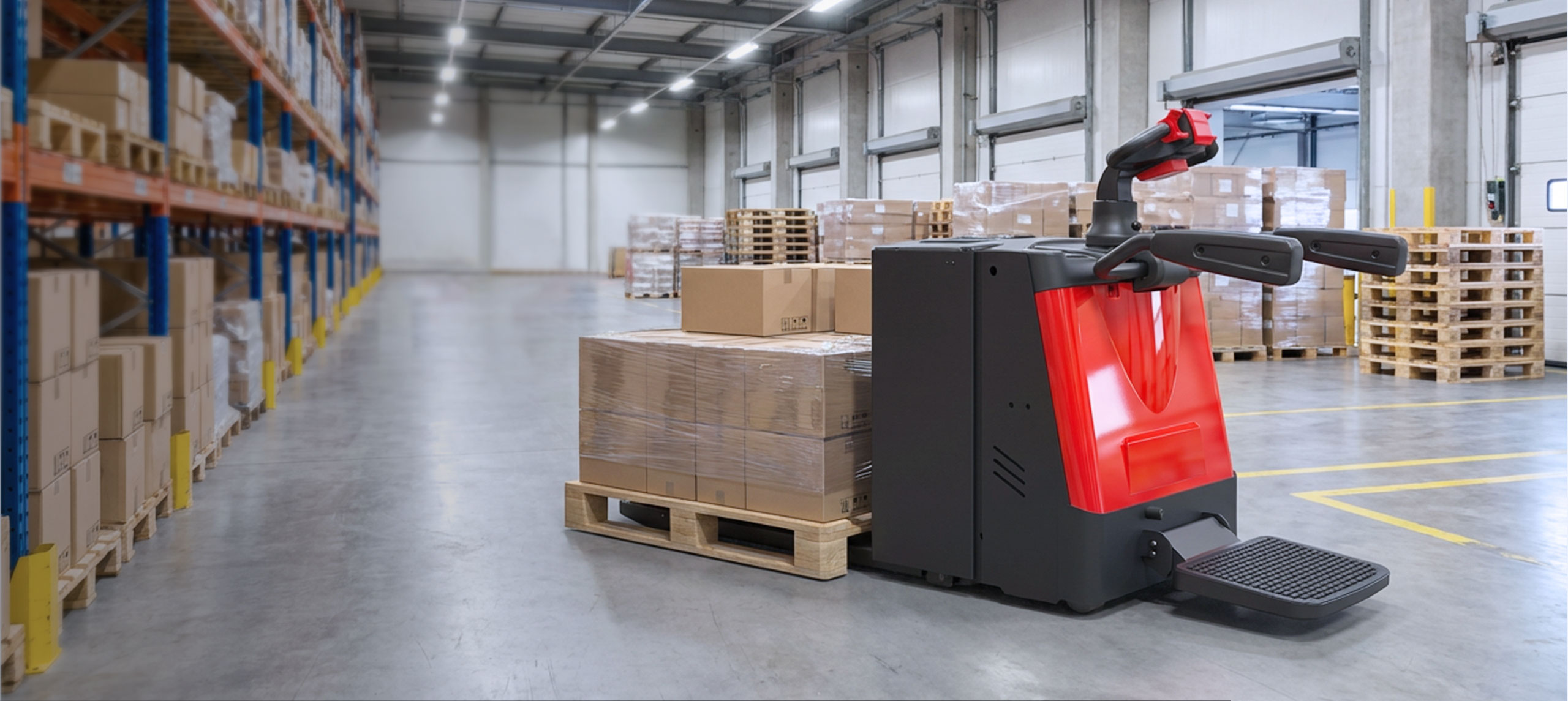
who makes the best electric pallet jack
Choosing the right electric pallet jack can transform warehouse efficiency, yet “best” depends on your unique load capacity, run time, and budget. This guide compares top manufacturers like Toyota, Raymond, Crown, and emerging lithium-ion innovators, ensuring you find the perfect fit for your operations.
Key Factors to Define “Best” for Your Facility
No single electric pallet jack dominates every application. The best choice balances maneuverability, lifting capacity, battery longevity, and service ease. For lighter duty cycles in retail backrooms, a compact walkie model excels. For heavy 24/7 distribution centers, a rider pallet jack with enhanced ergonomics and high-speed travel reduces operator fatigue and boosts throughput.
Load Capacity and Fork Length
Standard electric jacks handle 3,000 to 5,500 pounds, but specialized units reach 10,000+ pounds. Measure your pallet sizes and aisle widths – fork lengths of 42, 48, or 60 inches must match your racking system. Oversized forks on narrow aisles create inefficiency, while undersized forks risk load instability.
Battery Technology and Charging
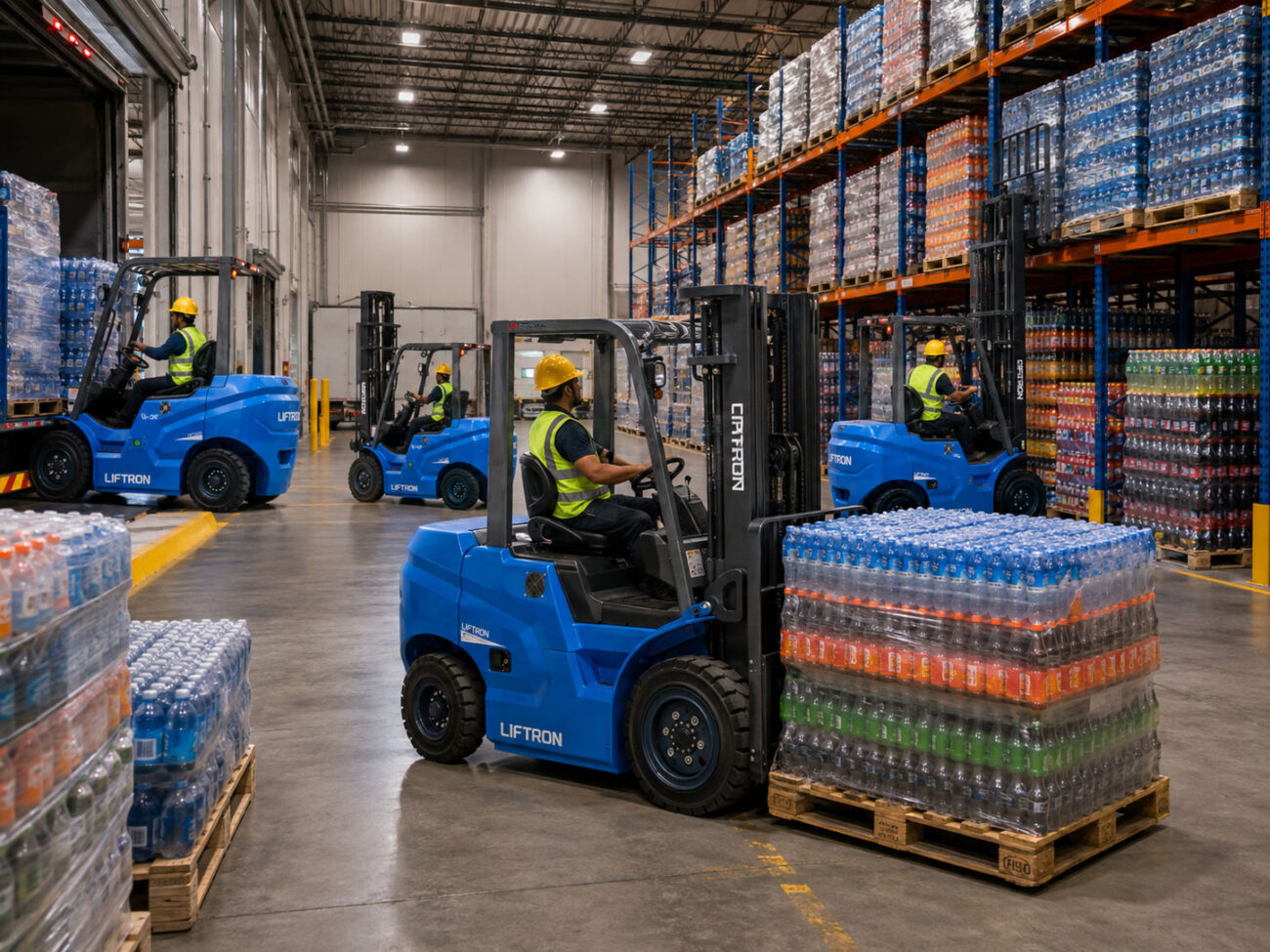
Traditional lead-acid batteries require 8-hour charges and cool-down periods. Modern lithium-ion options, such as those featured in the Liftron DL SERIES, offer opportunity charging, zero maintenance, and longer lifespan. If your operation runs multiple shifts, lithium-ion eliminates battery swapping and reduces downtime by up to 30%.
Ergonomics and Operator Comfort
High-frequency users need intuitive controls, cushioned grips, and minimal vibration. Look for features like finger-tip throttle, regenerative braking, and anti-slip platforms. A well-designed handle reduces wrist strain, while programmable acceleration settings let you tailor speed to operator skill level and terrain.
Top Electric Pallet Jack Manufacturers Compared
Brand reputation matters for parts availability and warranty support. Below, we evaluate leading names based on reliability, innovation, and total cost of ownership.
| Brand | Best For | Key Strengths | Potential Drawbacks |
|---|---|---|---|
| Toyota Material Handling | High-volume distribution | Exceptional durability, industry-leading service network, advanced AC drive motors | Higher upfront price; heavy units reduce portability |
| Raymond | Ergonomic, custom workflows | Superior operator visibility, ACR (electric) technology, telematics options | Premium pricing; proprietary parts can be costly |
| Crown Equipment | Long runs and ramp use | Robust chassis, superior traction on inclines, excellent warranty | Limited dealer coverage in rural areas |
| Jungheinrich | Compact warehouses | Precise control, 3-phase AC motors, excellent turning radius | Less common in North America, slower parts delivery |
| Liftron Material Handling | Cost-effective lithium-ion adoption | Integrated Li-ion battery, low maintenance, competitive pricing, rapid charging | Newer brand; limited used-market availability |
Why Lithium-Ion is Redefining the Electric Pallet Jack Market
The shift from lead-acid to lithium-ion is not a minor upgrade. Lithium batteries weigh 60-70% less, allowing manufacturers to build more compact machines without sacrificing counterweight. This reduces the jack’s footprint, enabling tighter turns and smoother acceleration. Additionally, lithium cells deliver consistent voltage until discharge, so you never experience the gradual speed loss common with lead-acid batteries near the end of a shift.
Run Time and Fast Charging
A typical 24V lithium pack provides 8-10 hours of intermittent use, but opportunity charging during breaks (15-30 minutes) extends that indefinitely. With lead-acid, you must wait for a full charge cycle, often requiring spare batteries. The Liftron Material Handling lineup capitalizes on this with internal chargers that plug into any standard outlet, eliminating dedicated charging stations and battery transfer carts.
Total Cost of Ownership Comparison
Although lithium units cost 20-40% more upfront, they save thousands over a 5-year period. You avoid battery watering, equalization charges, and acid spill cleanup. Lithium also performs better in cold storage (-4°F to 140°F), whereas lead-acid loses capacity in cold environments. For facilities running 2-3 shifts, the ROI can be less than 18 months.
Comparing Walkie vs. Rider Electric Pallet Jacks
Walkie pallet jacks, where the operator walks alongside, suit short distances and lower volume. They are lighter and easier to transport between trailers. Rider pallet jacks, with a built-in platform, are ideal for longer runs (over 100 feet) and reduce operator fatigue. If your picking routes exceed 500 feet per hour, a rider model increases productivity by 25-40%. However, riders require more training and wider aisle clearance for turning.
Choosing Fork Length and Width
For standard 40×48 inch pallets, 42-inch forks are sufficient. However, if you handle double-face pallets or multiple pallets at once, opt for 48-inch forks. Additionally, check the fork spread – standard is 17.5 inches, but heavy-load trucks may need 22-inch spread for stability. Always verify your racking beam depths to avoid fork over-extension.
Maintenance and Support: The Hidden Critical Factor
A pallet jack that sits broken for a week costs more than any purchase price. Look for manufacturers with local dealerships that stock common parts like wheels, lift cylinders, and bearings. Ask about response times and warranty coverage. Some brands, including Liftron DL SERIES, offer 5-year structural warranties and 2-year electrical warranties, which gives peace of mind for lithium technology.
Regenerative Braking and Safety Features
Modern jacks include automatic speed reduction on ramps, anti-rollback on inclines, and low-speed mode for dock areas. Some advanced models feature proximity sensors that stop the jack if an obstacle is detected. While these add cost, they reduce workplace injuries and product damage – a worthwhile investment for busy loading docks.
Final Verdict: What Should You Buy?
If you prioritize raw durability and have a large service network, Toyota or Crown are safe bets. For ergonomic innovation and telematics integration, Raymond excels. However, for most mid-size warehouses seeking a breakthrough in energy efficiency and low maintenance, lithium-ion jacks from Liftron Material Handling offer the best value proposition. Their integrated battery eliminates the charger management overhead, and the DL SERIES specifically addresses common pain points like battery swapping and long charge times.
Before purchasing, request a demo with your actual pallets and aisle widths. Measure your daily shift hours and average travel distances. Always compare the 5-year total cost, not just the sticker price. The best electric pallet jack is the one that quietly handles your toughest shifts – and with lithium-ion technology, that reliability is now more accessible than ever.
Add a review
Your email address will not be published. Required fields are marked *