
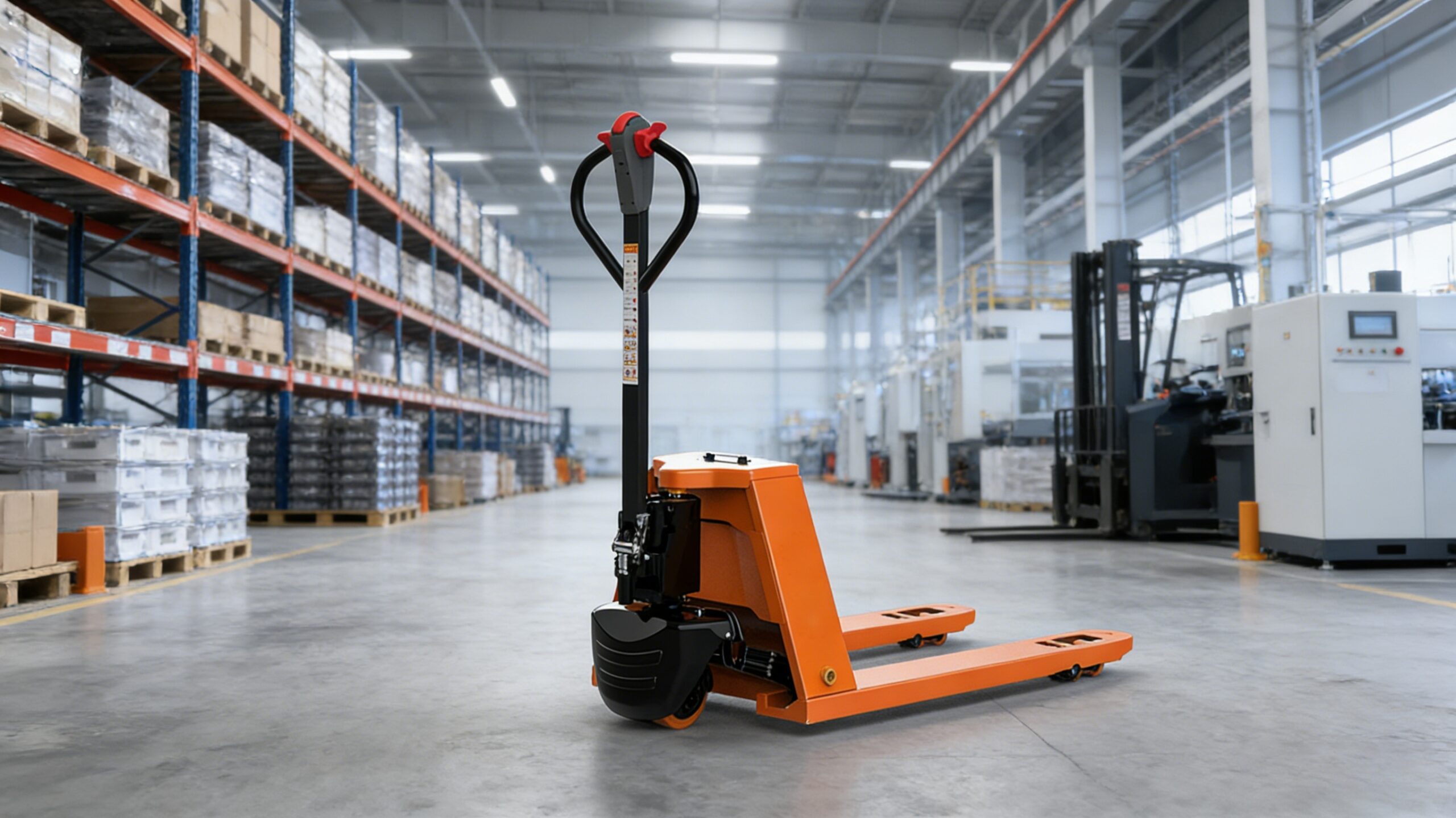
is an electric pallet jack a forklift
Electric pallet jacks and forklifts both move heavy loads, but they serve distinctly different roles in material handling—understanding the key differences will help you choose the right equipment for your warehouse, budget, and workflow.
What Is an Electric Pallet Jack?
An electric pallet jack, also known as a powered pallet truck or walkie rider, is a compact, battery-powered machine designed primarily for horizontal transport of palletized goods. Its main function is to lift a pallet just a few inches off the floor (typically 4–6 inches) to allow movement across flat, smooth surfaces. The operator either walks behind the unit or rides on a small platform, using a tiller arm to control speed, steering, and lifting.
These machines come in two basic configurations: walk-behind (operator walks) and rider (operator stands or rides). They are common in retail backrooms, loading docks, and production lines where short-distance, repetitive moves are needed. Load capacities typically range from 3,000 to 6,000 pounds, but some heavy-duty models reach 10,000 pounds.
What Is a Forklift?
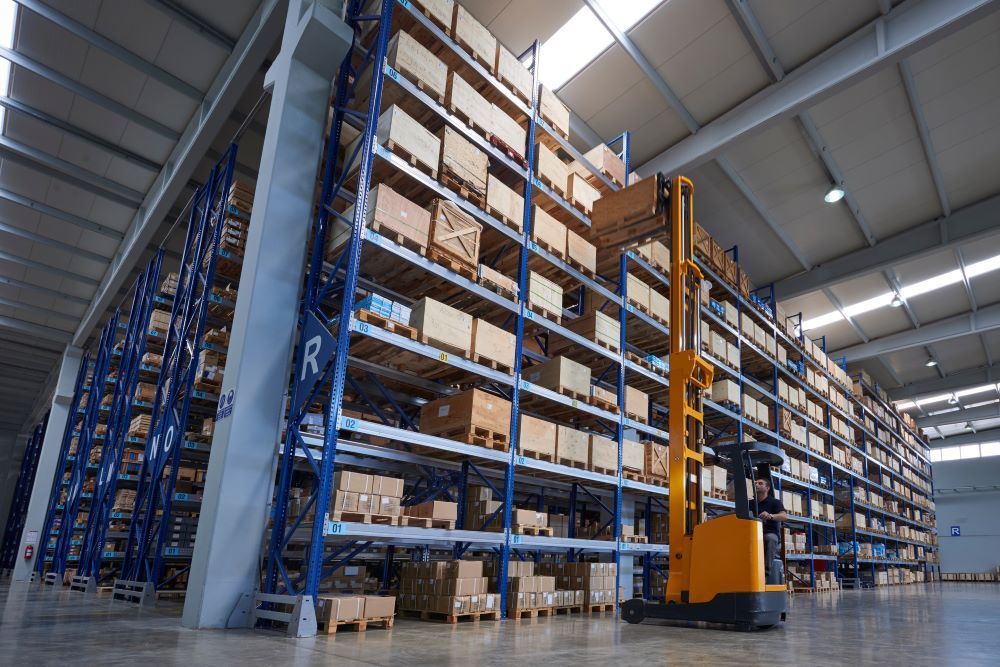
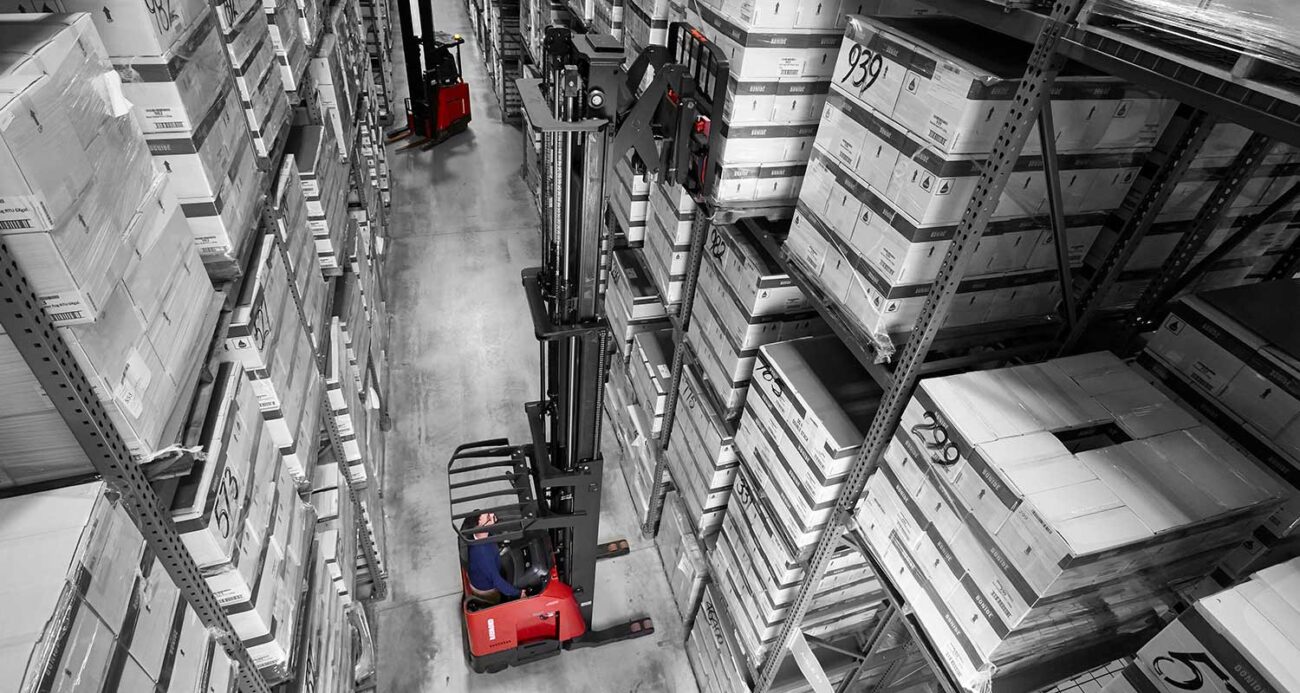
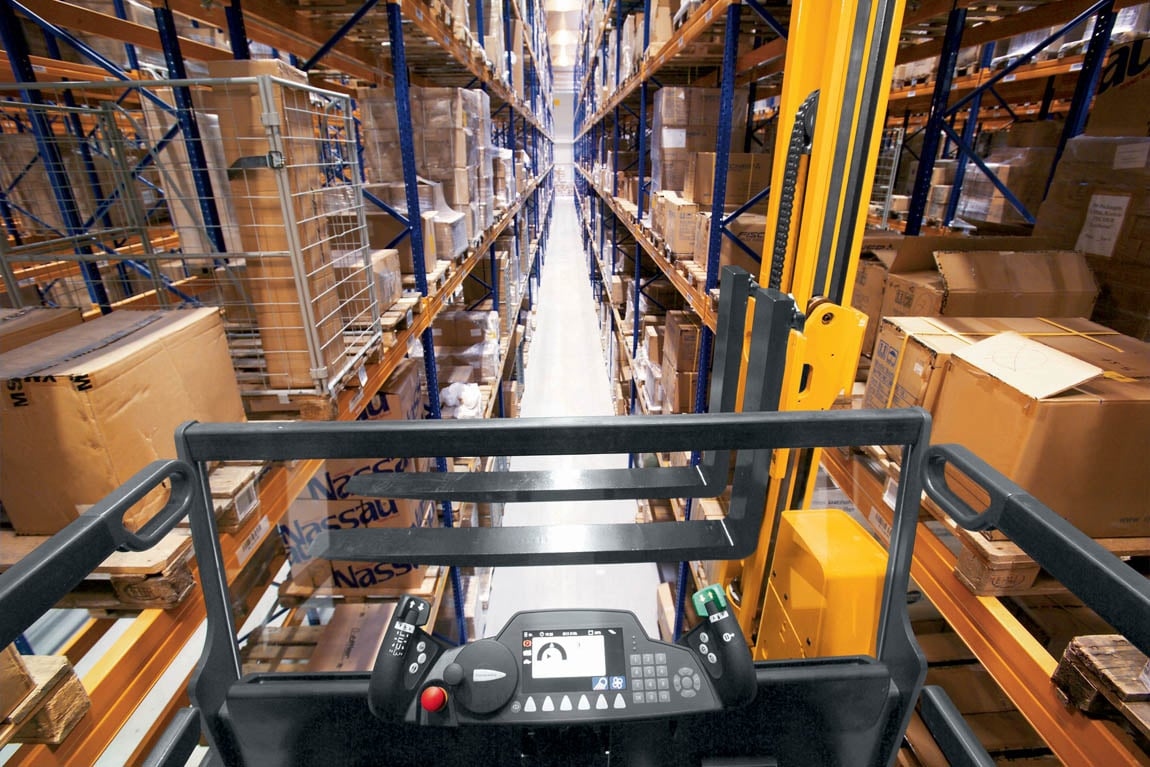
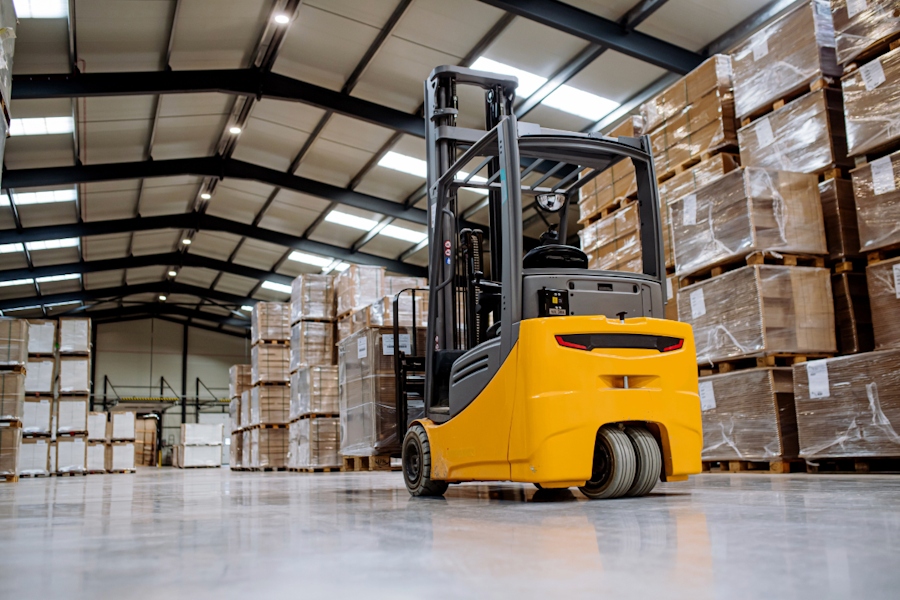
A forklift, also called a lift truck or fork truck, is a powered industrial truck capable of both horizontal transport and vertical stacking. Its defining feature is the mast—a vertical assembly that raises forks (or other attachments) to heights of several feet, often up to 20 feet or more. Forklifts are designed to lift loads off the ground entirely, place them onto racks, stack them multiple levels high, and retrieve them from elevated positions.
Forklifts come in many variants: counterbalance (the most common), reach trucks, order pickers, and side loaders. They are powered by electric batteries, LPG, diesel, or gasoline. Operator seating or standing positions vary, but all forklifts have a steering wheel or tiller for precise maneuvering, and they feature a mast and carriage system that allows vertical lifting.
Key Differences: Electric Pallet Jack vs. Forklift
| Feature | Electric Pallet Jack | Forklift |
|---|---|---|
| Primary Function | Horizontal transport | Lifting, stacking, and transporting |
| Maximum Lift Height | 4–6 inches | 10–30+ feet |
| Load Capacity | 3,000–10,000 lbs | 3,000–100,000+ lbs |
| Operator Position | Walk-behind or ride-on | Sit-down or stand-up |
| Terrain Suitability | Flat, smooth surfaces | Varied (warehouse, outdoor, rough terrain) |
| Cost | $5,000–$15,000 | $15,000–$80,000+ |
| Training Requirement | Basic, minimal certification | OSHA-compliant certification required |
| Typical Use Cases | Loading/unloading trailers, order picking, truck loading | Warehouse racking, palletizing, construction, manufacturing |
Can an Electric Pallet Jack Be Used as a Forklift?
No—not in the traditional sense. While an electric pallet jack can lift a pallet off the ground, it cannot raise it to racking height. The fixed or limited lift mast means you cannot stack pallets on upper levels, nor can you retrieve loads from tall shelves. Attempting to use a pallet jack for vertical stacking is unsafe and impractical. However, there is a hybrid category called a “pallet stacker” or “straddle stacker,” which has a mast and can lift loads 6–12 feet. But even these are not full forklifts—they lack the counterweight system, operator cabin, and mast tilt of a true forklift.
When to Choose an Electric Pallet Jack
Electric pallet jacks excel in scenarios where you need to move goods over short distances on flat floors, with no need for racking. Ideal situations include:
- Loading and unloading delivery trucks at dock level
- Moving pallets within a single production line or packaging area
- Order picking in low-level storage where pallets sit on the floor
- Retail stockrooms where space is tight and loads are moderate
- Battery maintenance facilities (they are quiet and emission-free)
Because they are lighter and narrower than forklifts, they require less aisle space and reduce floor damage. Plus, they are significantly cheaper to purchase and maintain. Many warehouses deploy a fleet of electric pallet jacks alongside a few forklifts to handle the majority of horizontal moves efficiently.
When You Must Use a Forklift
If your operation requires any form of vertical stacking—placing loads on racking, retrieving from high shelves, or moving loads onto mezzanine levels—you need a forklift. Forklifts are also necessary for:
- Warehouses with 15+ foot ceiling heights
- Handling unusually heavy or oversized loads (e.g., steel coils, lumber)
- Outdoor applications where surfaces are uneven or sloped
- Container loading with high lift needs
- Moving long loads with attachments (e.g., booms, clamps)
Hybrid Solutions: Pallet Stackers and Walkie Forklifts
Between the two extremes lies a middle ground. Walkie forklifts (also known as walkie stackers) combine a pallet jack’s compactness with a lifting mast that reaches 8–12 feet. These are operated like a pallet jack but can place loads on low racks. However, operators typically walk behind and cannot ride, limiting efficiency for long distances. For higher reach, a stand-up counterbalance forklift is a better option, as it allows the operator to ride and offers full mast capabilities.
Safety and Training Considerations
OSHA classifies both electric pallet jacks and forklifts as “powered industrial trucks,” but training requirements differ. For pallet jacks, employers must still provide operator training, but it is far less extensive than forklift certification, which includes both formal instruction and practical evaluation. Forklift operators must be certified every three years and must follow strict rules regarding load stability, mast clearance, and pedestrian safety. Pallet jack operators should also understand load weight limits, tip-over risks, and proper braking on inclines—but the lower lift height reduces overhead hazard.
Cost Efficiency and ROI
A typical electric pallet jack costs $6,000–$12,000, while a standard electric forklift ranges $20,000–$50,000. For a small business that only moves floor-level pallets, a fleet of pallet jacks is far more capital-efficient. However, if you need to maximize vertical space, a forklift pays for itself in warehouse density. Companies often employ both: pallet jacks for staging areas and truck loading, forklifts for racking operations. This dual approach reduces overall equipment costs and improves throughput.
Modern Innovations: Lithium-Ion Options
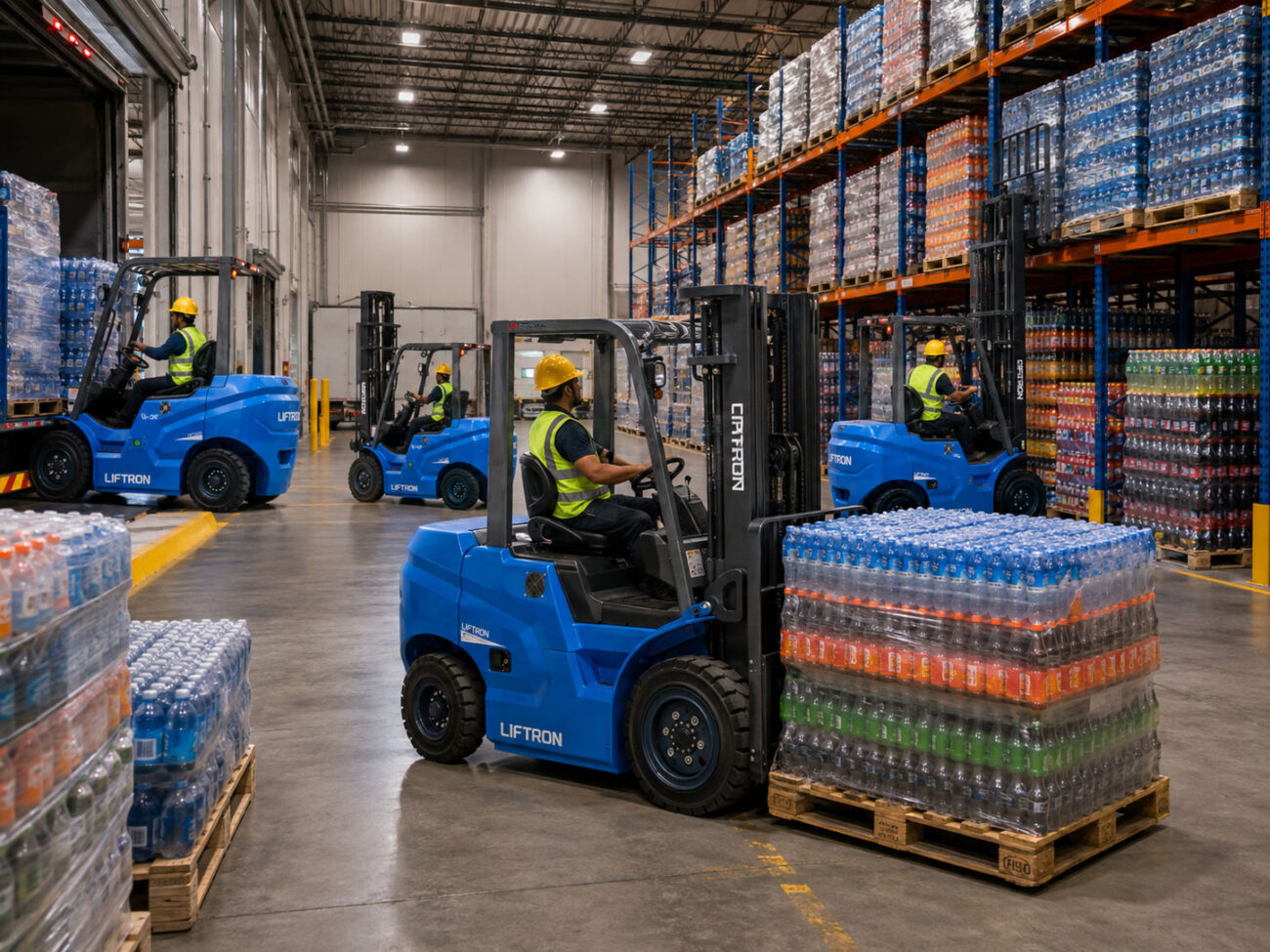
Electric pallet jacks have evolved rapidly. Traditional lead-acid batteries are giving way to lithium-ion technology, which offers faster charging, longer life, and zero maintenance. For example, Liftron Material Handling provides advanced electric pallet jacks with lithium-ion batteries that can fully charge in under two hours and last beyond 2,000 cycles. Their compact designs feature regenerative braking and steel-reinforced frames. On the forklift side, the Liftron DL SERIES combines the power of a counterbalance forklift with the efficiency of lithium-ion power, offering lift heights up to 20 feet and capacities of 3,000–5,000 pounds. These systems reduce total cost of ownership by eliminating battery watering and acid fumes, while providing consistent power throughout shifts.
Making the Right Choice
The decision ultimately hinges on your lift height requirements, load volume, and workflow flow. If your process only involves moving pallets from point A to point B at floor level, an electric pallet jack is sufficient, more affordable, and safer for narrow aisles. If you need to store goods upwards or retrieve from multi-tier racks, a forklift is non-negotiable. Never try to jury-rig a pallet jack for stacking—it’s a serious safety violation that can lead to tip-overs, dropped loads, and worker injuries. Instead, plan your equipment mix strategically. Many operations find that combining a few pallet jacks for horizontal moves with one or two forklifts for vertical work maximizes productivity and minimizes capital outlay. Always consult with your material handling supplier to calculate your true lift frequency and peak load weights before purchasing.
Add a review
Your email address will not be published. Required fields are marked *