
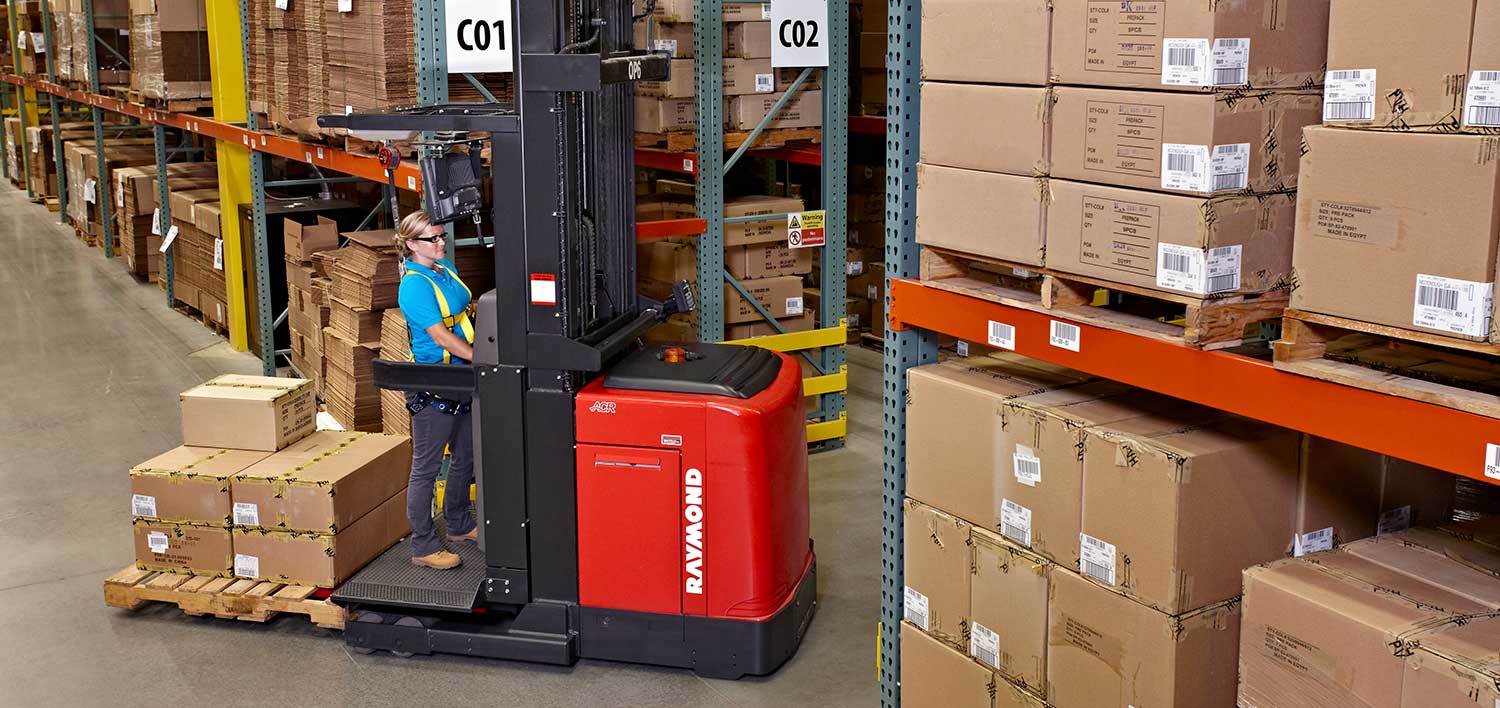
how does an order picker forklift work
Order picker forklifts are specialized warehouse machines designed to lift an operator alongside the load, enabling precise picking of individual items from high racking systems. Unlike standard counterbalance forklifts, these vertical lifters prioritize personnel access and efficiency, making them essential for modern distribution centers. They function through a combination of electric power, scissor or mast mechanisms, and intuitive controls, allowing operators to safely navigate narrow aisles and elevate to heights exceeding 30 feet while maintaining full visibility and control over the picking process.
The Core Mechanism: How an Order Picker Works
At its heart, an order picker operates on a simple yet highly effective principle: vertical travel of a platform that carries both the operator and the load. The machine consists of three primary systems working in unison:
- Power and Drive System: Most order pickers are electric, powered by industrial batteries (commonly 24V, 36V, or 48V). The drive wheel is positioned under the operator platform, providing precise traction in tight spaces. A hydraulic pump, driven by an electric motor, generates the pressure needed for vertical movement.
- Mast and Lift Mechanism: The vertical structure contains either a single-stage, two-stage, or three-stage mast, similar to a forklift but designed for personnel. The lifting chain and hydraulic cylinder work together to raise the platform smoothly. Many modern units use a “free lift” design, allowing the platform to rise without increasing the overall truck height—critical for low-clearance trailers.
- Operator Interface and Controls: The operator stands on a padded platform with a control handle that integrates steering, speed, lift/lower buttons, and emergency stop functions. This “arm’s length” control concept ensures that the operator never leaves the platform during operation, maintaining safety compliance.
Step-by-Step Operation Cycle
Understanding the workflow reveals why these machines are so efficient. Here is the typical operational sequence experienced by a warehouse operator:
- Positioning: The operator drives the truck to the designated picking aisle, aligning the platform perpendicular to the rack face. The narrow aisle design of most order pickers (as slim as 3 feet) allows for maximum storage density.
- Elevation: Using the thumb-controlled lift lever, the operator raises the platform to the desired rack level. The hydraulic system engages a relief valve to prevent over-pressurization. Simultaneous steering and lifting are possible, but most experienced operators prefer static positioning for safety.
- Picking and Loading: With the platform level with the product location, the operator manually transfers items onto the integrated picking cart or a pallet placed on the platform’s base. Some advanced models feature a powered roller conveyor that automates the transfer.
- Descent and Movement: The operator presses the lower button, which uses regenerative braking in the hydraulic circuit to control the descent speed. Once at floor level, the drive system is re-engaged for transport to the packing station or shipping dock.
Key Differences from Forklifts and Reach Trucks
Many warehouse managers confuse order pickers with reach trucks or pallet stackers, but critical distinctions exist:
| Feature | Order Picker | Reach Truck | Counterbalance Forklift |
|---|---|---|---|
| Operator Position | Rides vertically with load | Sits at floor level | Sits at floor level |
| Primary Function | Piece-picking from racks | Pallet handling and storage | General load transport |
| Aisle Width Required | Very narrow (3–4 ft) | Narrow (7–9 ft) | Wide (10–12 ft) |
| Lift Mechanism | Platform-mounted mast | Outrigger and extending mast | Central mast with forks |
| Load Capacity | Typically 1,500–3,000 lbs | Up to 5,000 lbs | Up to 15,000+ lbs |
This design difference means order pickers are never used for transporting full pallets across long distances—they are optimized for high-frequency, low-volume picking tasks where speed and accuracy matter more than raw capacity.
Safety Systems and Technological Enhancements
Modern order pickers incorporate multiple redundant safety features. The most critical is the operator presence sensor—weight-activated switches under the platform that immediately cut all motion (including lifting) if the operator steps off at height. Additional systems include:
- Lateral gate interlocks that prevent travel if the protective gate is not secured
- Load-holding valves that prevent unintended mast descent in case of hydraulic failure
- Height limiters linked to the warehouse racking layout, preventing overshoot beyond programmed levels
- Curve speed controllers that automatically reduce drive speed when steering angle exceeds a threshold
Advanced lithium-ion models, such as the Liftron DL SERIES, integrate telematics for real-time diagnostics, remote speed limiting, and automatic battery management. These systems not only protect operators but also extend equipment lifespan through smart duty-cycle monitoring.
Maintenance and Operational Efficiency
The electric powertrain of an order picker requires significantly less maintenance than internal combustion forklifts. However, the mast chains, hydraulic fluid levels, and contactor contacts demand weekly inspection. Key best practices include:
- Charging batteries during planned break times rather than fully discharging them
- Lubricating mast rollers every 200 operating hours
- Checking tire pressure and wear on the load wheels (which support the elevated weight)
- Verifying that the lifting chain tension is within manufacturer specifications
For businesses considering upgrading their fleet, Liftron Material Handling offers a comprehensive range of order pickers and related equipment, emphasizing ergonomic design and energy efficiency. Their models utilize modular mast construction, reducing part replacement costs by up to 30% compared to traditional welded masts.
Operational Scenarios Suitable for Order Pickers
These machines are not universal solutions but excel in specific workflows:
- E-commerce fulfillment where individual SKUs are picked from multiple rack levels
- Grocery and beverage distribution for case-picking operations
- Pharmaceutical and cold storage where product rotation accuracy is critical
- High-density selective racking with VNA (very narrow aisle) layouts
When a facility requires both pallet handling and piece-picking, hybrid models like the man-up turret truck combine features, but a dedicated order picker always delivers faster dwell times per pick. Data from logistics studies show that order picker use can increase picking productivity by 25–40% over manual ladder-based methods, while dramatically reducing worker fatigue and injury risk.
Conclusion
The order picker forklift remains a cornerstone of modern warehouse automation, offering a unique blend of vertical access, operator safety, and precision control. Its working principle—combining hydraulic lifting with an integrated operator platform—has proven reliable across decades of industrial use. As battery technology advances and telematics become standard, these machines will continue to evolve, but the fundamental mechanics of lifting, walking, and picking at height will remain unchanged. Choosing the right model requires careful assessment of rack height, aisle width, and picking frequency, but with reputable suppliers and proper operator training, these machines pay for themselves through reduced labor costs and increased throughput.
Add a review
Your email address will not be published. Required fields are marked *