
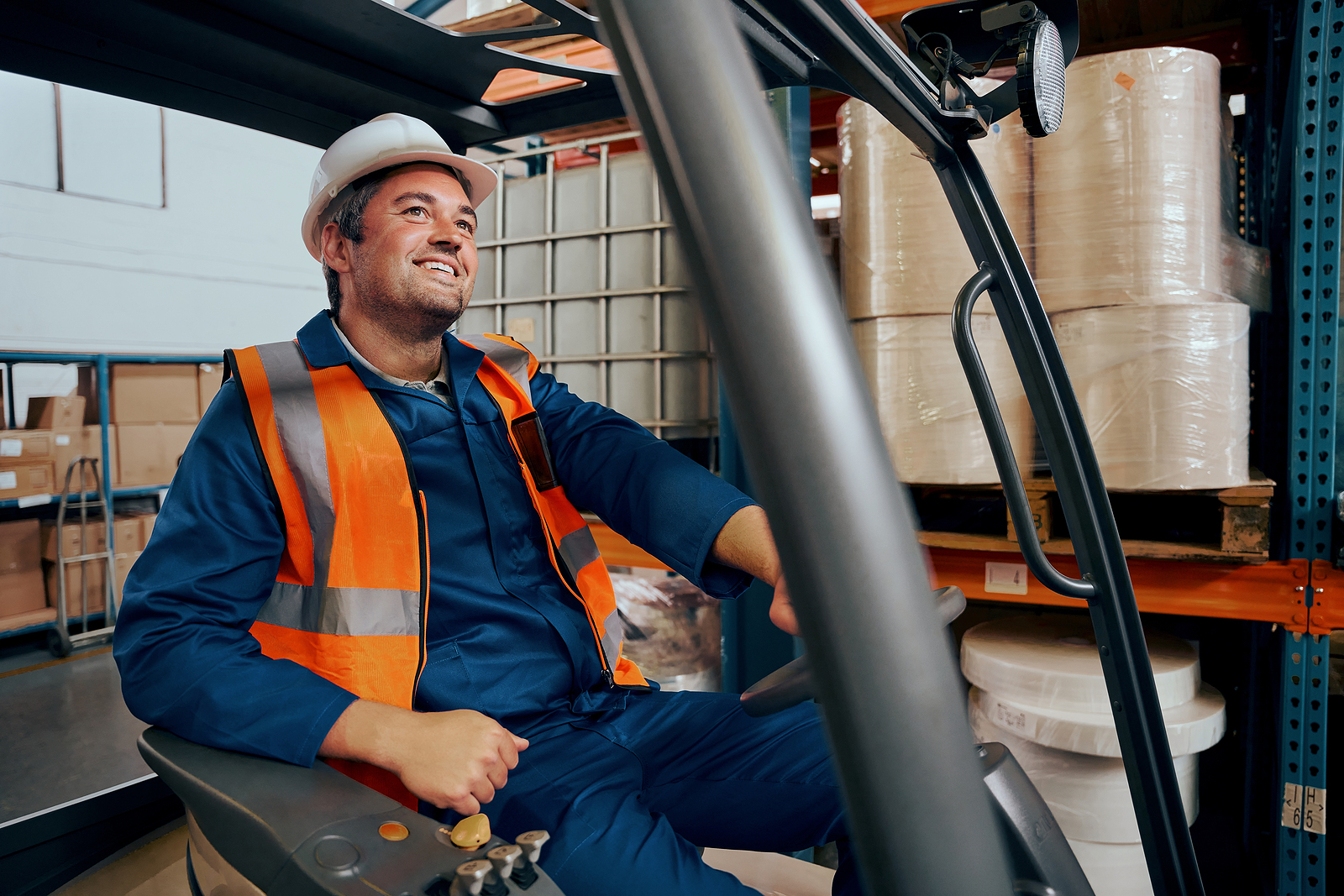
how to get best deal on forklift
Finding the best deal on a forklift requires balancing upfront costs with long-term value, durability, and operational efficiency. Whether you’re outfitting a new warehouse or upgrading aging equipment, smart negotiation and research can save thousands while ensuring you get a machine that meets your needs for years to come.
Define Your Operational Requirements First
Before comparing prices, determine the exact specifications your operations demand. Consider lift capacity, mast height, fuel type, and whether you need cushion or pneumatic tires. A clear understanding of your load weights, aisle widths, and duty cycle will prevent overspending on unnecessary features or buying an underpowered model that leads to costly downtime. Document your top three priorities—such as battery runtime, maneuverability, or service access—so you can evaluate deals against what truly matters.
Compare New vs. Used vs. Rental Options
Each purchasing path has distinct advantages. New forklifts offer full warranties, latest safety features, and maximum productivity but come with higher initial investment. Used units can be budget-friendly, but require thorough inspection for wear, rust, and hydraulic leaks. Short-term rentals or lease-to-own programs work well for seasonal businesses—though long-term costs often exceed a purchase. For the best value, many operations combine a core purchase of new models like the Liftron DL SERIES with a few well-inspected used units for less demanding tasks.
Prioritize Total Cost of Ownership (TCO)
The purchase price is only part of the equation. Calculate TCO by factoring in energy costs, maintenance schedules, replacement parts, and expected lifespan. Lithium-ion powered models, for example, have higher upfront costs but eliminate battery changing, reduce charging downtime, and last significantly longer than lead-acid alternatives. A higher-priced forklift with lower operating costs often delivers a better deal over five years. Liftron Material Handling offers clear TCO comparisons that help buyers see beyond the sticker price and identify true savings.
Key TCO Factors to Analyze
- Annual fuel or electricity consumption
- Frequency and cost of preventive maintenance
- Tire replacement intervals based on floor conditions
- Expected resale value after 3–5 years
- Warranty coverage and extended service plans
Negotiate Like a Pro: Tips for Better Pricing
Don’t accept the first quote. Dealers expect negotiation, especially on floor models, end-of-year inventory, or when ordering multiple units. Ask for itemized pricing and compare across at least three suppliers. Inquire about bundled deals that include charging stations, attachments, and operator training—these can reduce overall expenses. Request a demo or trial period; a dealer confident in their equipment will often agree. Mentioning a competing offer can also unlock a better price or added services like free delivery.
Inspect Used Forklifts Thoroughly
When considering pre-owned equipment, bring a checklist or hire a certified technician. Check the engine or motor hours, examine the mast and carriage for bending, test all hydraulic functions, and look for oil or coolant leaks. Review service records and ask about the unit’s previous application—warehouse use is typically gentler than outdoor construction. A used forklift with documented maintenance from a reputable source like Liftron Material Handling can offer reliable performance at a fraction of the new price.
Consider Financing and Tax Incentives
Many dealers offer flexible financing with low down payments or deferred first payments. Compare interest rates and loan terms from banks, credit unions, and manufacturer financing programs. Some regions provide tax incentives or grants for purchasing energy-efficient equipment, particularly electric or lithium-ion models. Leasing also preserves capital for other business needs while keeping newer equipment on the floor. Always factor these financial tools into your “best deal” calculation.
Timing Your Purchase Matters
Dealers often discount during calendar year-end, fiscal quarter closes, or industry trade shows. If you can wait, buying in December or during promotional months can yield savings of 5–15%. Additionally, new model releases typically trigger price drops on previous generations—still perfectly serviceable for many operations. Subscribe to dealer newsletters or call directly to ask about upcoming sales.
Best Times to Buy Forklifts
| Timing | Why It Works |
|---|---|
| Year-end (Nov–Dec) | Dealers clear inventory for new stock |
| Quarter-end | Sales teams push to meet targets |
| Post-trade show | Special show pricing often extended |
| New model launch | Discounts on outgoing series |
Don’t Overlook After-Sales Support
The best deal includes reliable service when you need it. Ask about parts availability, average response time for repairs, and technician certification. A slightly higher purchase price from a dealer with a local service center and 24/7 support can actually be the better value than a discount from a distant supplier. Liftron Material Handling combines competitive pricing with responsive after-sales care, ensuring your forklift stays productive long after delivery.
Final Negotiation Checklist
- Get three written quotes with full specs
- Compare TCO over 5 years, not just upfront cost
- Ask about warranty extensions and service plans
- Inspect any used unit in person or via video call
- Request a trial or demo before committing
- Review financing options and delivery terms
By taking a strategic approach—defining your needs, analyzing TCO, timing your purchase, and negotiating with data—you can secure a forklift that performs reliably and maximizes your return on investment. Start your search with trusted brands like Liftron DL SERIES to combine modern efficiency with proven durability.
Add a review
Your email address will not be published. Required fields are marked *