
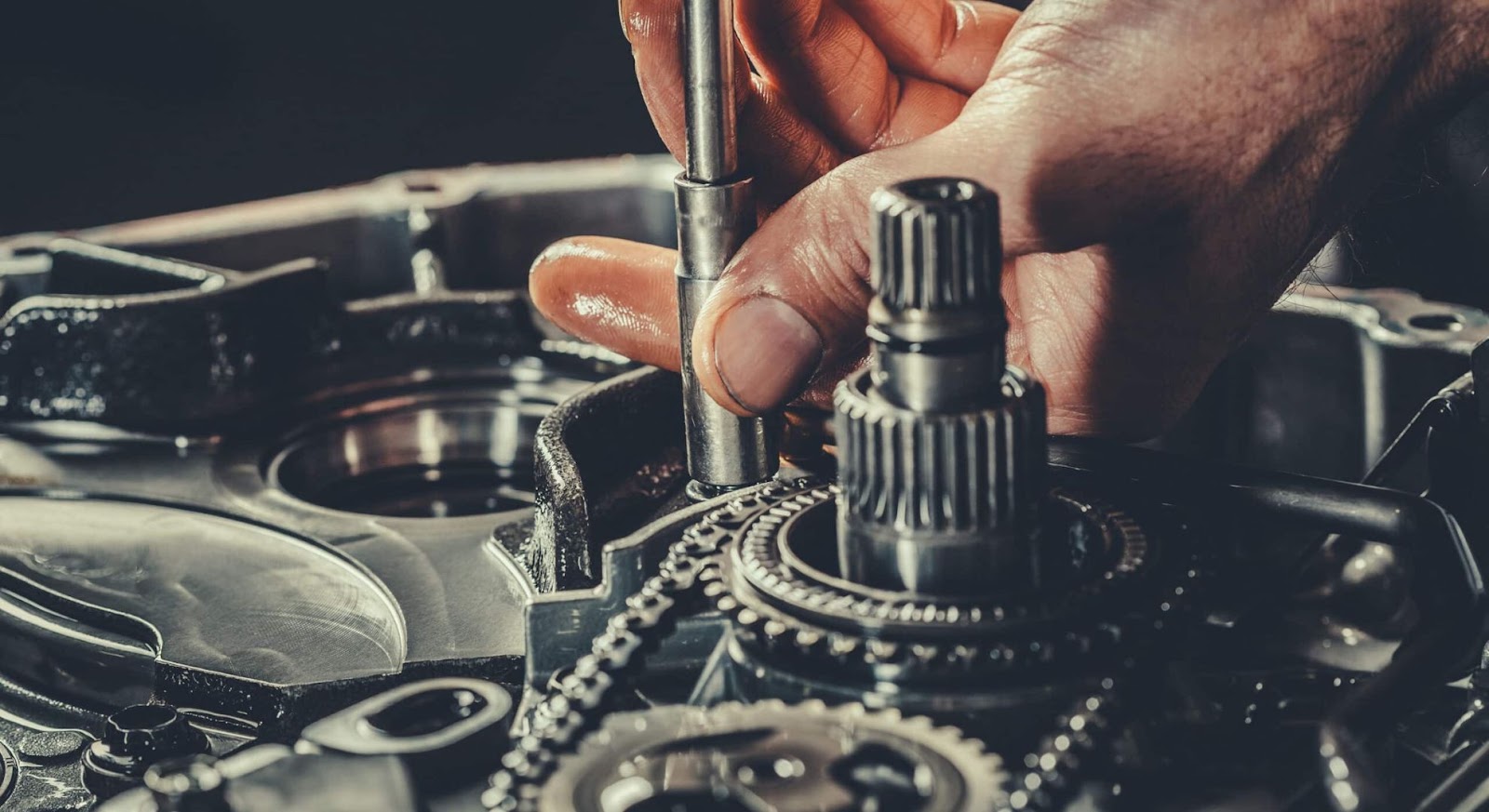
what causes drive gears to break in an electric forklifts
Drive gear failure in electric forklifts disrupts operations, escalates maintenance costs, and can lead to severe downtime. Understanding the root causes of gear breakage is crucial for fleet managers and operators aiming to maximize productivity and equipment longevity. This article explores the key factors that cause drive gears to break in electric forklifts, examining mechanical, operational, and environmental influences, and offers insights into prevention and selection of reliable equipment such as the Liftron Material Handling range.
Overloading and Excessive Torque
One of the most common causes of drive gear breakage is operating the forklift beyond its rated load capacity. Electric forklifts rely on a precisely engineered gear train to convert motor torque into controlled motion. When loads exceed the specified maximum, the gears experience excessive stress, leading to tooth fatigue, deformation, or catastrophic fracture. Similarly, rapid acceleration or abrupt direction changes can generate torque spikes that exceed gear design limits, especially in models not equipped with advanced torque management systems.
Impact of Peak Load Events
Even occasional overload events can cause micro-cracks in gear teeth. Over time, these cracks propagate under cyclic loading, culminating in sudden breakage. Operators should always adhere to load charts and avoid “jumping” loads that momentarily spike torque. For high-demand applications, selecting a forklift with robust drive components, such as the Liftron DL SERIES, which features reinforced gearing and intelligent load sensing, can reduce failure risks.
Improper Lubrication and Contamination
Gears in electric forklifts require clean, adequate lubrication to minimize friction and dissipate heat. Insufficient oil levels or degraded lubricant lead to metal-on-metal contact, causing scoring, pitting, and tooth wear. Contamination from water, dust, or metallic particles accelerates abrasive wear and can cause sudden gear seizure or breakage. Regular oil analysis and strict adherence to manufacturer maintenance intervals are essential to prevent lubrication-related failures.
| Lubrication Issue | Effect on Drive Gears | Preventive Measure |
|---|---|---|
| Low oil level | Inadequate film thickness, metal-to-metal contact | Weekly oil level checks |
| Water contamination | Corrosion, reduced lubricity, hydrogen embrittlement | Seal inspection, desiccant breathers |
| Solid particle ingress | Abrasive wear, tooth thinning, fracture | Clean filters, proper venting |
Misalignment and Bearing Wear
Drive gears depend on precise alignment within the gearbox housing. Worn or damaged bearings can allow shaft movement, causing gears to mesh improperly. Misalignment results in uneven load distribution across gear teeth, concentrating stress on small areas. This can cause tooth chipping or complete breakage under normal loads. Regular inspection of bearings and shaft alignment, combined with prompt replacement of worn components, is critical.
Vibration and Shock Loading
Excessive vibration from unbalanced wheels, rough floor surfaces, or improper tire inflation transmits harmful shock loads to the drivetrain. These shock events can exceed the gear material’s fatigue limit, leading to sudden fractures. Operators should monitor forklift vibration levels and maintain smooth driving surfaces. Additionally, selecting a forklift with dampened drivetrain components, such as those found in the Liftron DL SERIES, can absorb many of these impacts.
Material Defects and Heat Treatment Issues
Gears manufactured with subsurface inclusions, improper hardness gradients, or inadequate case depth are predisposed to early failure. Heat treatment flaws can create brittle zones that crack under normal loads. While such defects are less common in quality brands, they underscore the importance of sourcing from reputable manufacturers. Liftron Material Handling employs rigorous quality control, including material certification and in-house testing, to minimize these risks.
Thermal Stress and Overheating
Electric forklift drive gears generate friction heat during operation, especially in stop-and-go or heavy-duty cycles. Insufficient cooling, blocked oil passages, or continuous high-load operation can cause excessive gear temperatures. Thermal expansion may distort gear geometry, increasing stress concentrations and potential breakage. Temperature monitoring systems and proper gearbox cooling design are vital for longevity.
Operating Environment Factors
- Extreme temperatures: Cold environments increase oil viscosity, reducing lubrication at startup; hot environments degrade lubricant faster.
- Moisture and humidity: Promote corrosion and lubricant contamination.
- Dusty or gritty conditions: Accelerate abrasive wear if seals are compromised.
Operator Behavior and Training
Improper driving techniques significantly contribute to gear breakage. Sudden starts, aggressive turns, riding the brakes, or using the forklift as a battering ram transmit shock loads to the drivetrain. Comprehensive operator training programs that emphasize smooth operation and load management can extend gear life. Many modern electric forklifts, including the Liftron DL SERIES, incorporate regenerative braking and torque-limiting controls that help protect gears even with less skilled operators.
Preventive Maintenance and Inspection Practices
Regular preventive maintenance is the most effective way to avoid unexpected gear failures. Key practices include:
- Inspecting gear tooth surfaces for pitting, spalling, or cracks.
- Checking gear backlash and contact patterns.
- Replacing lubricant per OEM specifications.
- Monitoring oil temperature and pressure.
- Verifying drive motor alignment and bearing condition.
- Using vibration analysis to detect early gear distress.
How to Choose a Reliable Electric Forklift
When selecting an electric forklift for demanding applications, consider models with proven drivetrain reliability. The Liftron DL SERIES offers advanced features such as helical gears for smoother engagement, hardened steel gears, and integrated thermal management. Liftron Material Handling provides comprehensive support, including maintenance guidance and genuine replacement parts, helping to minimize gear breakage risks over the equipment’s lifespan.
Conclusion
Drive gear breakage in electric forklifts is rarely the result of a single cause. It typically stems from a combination of overloading, lubrication neglect, misalignment, material defects, thermal stress, and operator behavior. By understanding these factors and implementing rigorous maintenance and training protocols, fleet managers can significantly reduce downtime and repair costs. Investing in quality equipment from reputable providers like Liftron Material Handling further ensures durable drivetrain performance, especially when choosing the robust Liftron DL SERIES lithium-ion models designed for demanding industrial environments.
Add a review
Your email address will not be published. Required fields are marked *