
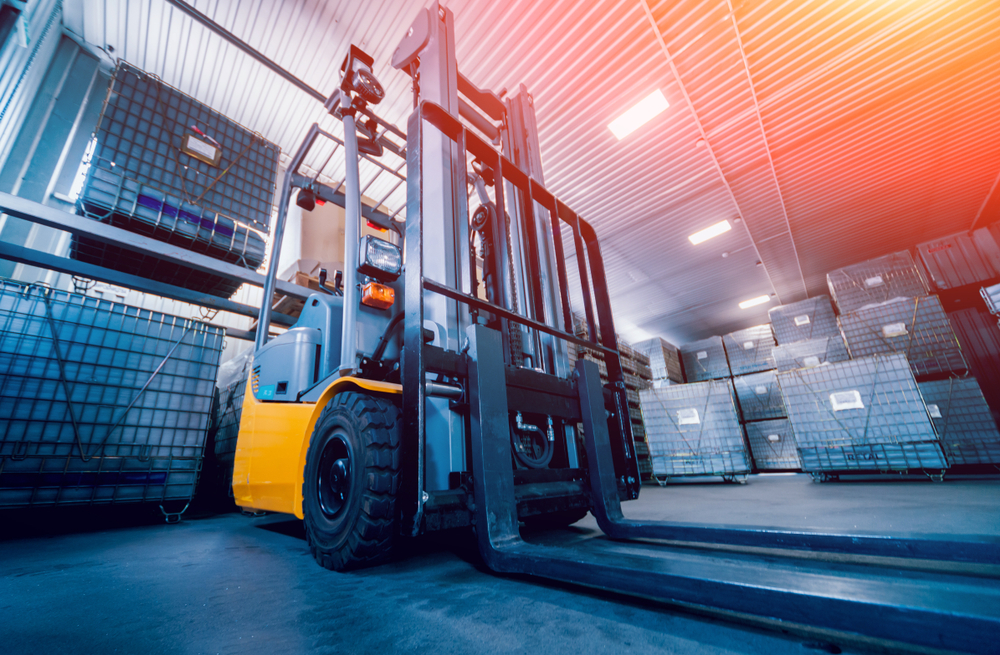
what to look for when buying a used forklift
Buying a used forklift can reduce costs by up to 50% compared to new models, but hidden flaws can turn savings into expensive repairs. Knowing exactly what to inspect ensures you get reliable equipment that meets your operational needs.
Inspect the Mast and Carriage
The mast is the backbone of any forklift. Look for signs of bending, cracks, or excessive wear on the mast channels and lift chains. Check the carriage for wobble when raised. Uneven wear on the mast rollers indicates misalignment. Test the mast for smooth lifting and tilting without binding or unusual noises.
Evaluate the Engine and Drivetrain
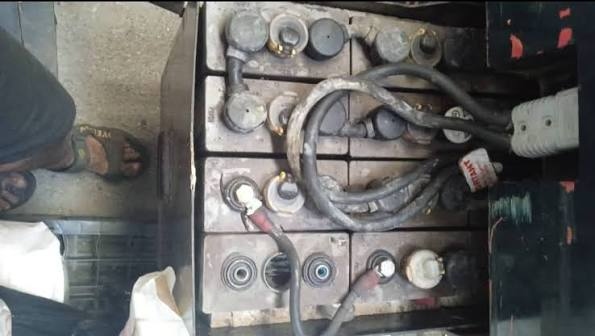
For internal combustion models, check for oil leaks, coolant condition, and exhaust smoke. Blue smoke means burning oil; white smoke may indicate a coolant leak. Test the transmission by driving in forward and reverse—any hesitation or hard shifting suggests internal damage. On electric forklifts, examine the battery compartment for corrosion and water damage.
Check the Hydraulics and Steering
Hydraulic leaks around hoses and cylinders are red flags. Operate all hydraulic functions—lift, tilt, and auxiliary hydraulics—listening for whining or grinding. Steering should respond immediately without jerking. A worn steering knuckle or kingpin can cause dangerous behavior at low speeds.
Assess the Fork and Attachment Condition
Fork thickness must be at least 90% of original specifications per OSHA standards. Measure fork tips for wear and inspect for cracks. If the unit includes side shifters or rotators, ensure they move freely without binding. Attachments should match the forklift’s capacity rating.
Review the Tires and Brakes
Pneumatic tires require adequate tread depth and no sidewall damage. Solid tires should not be chunked or worn unevenly. Check brake response by stopping from a moderate speed—squealing or pulling to one side demands immediate attention. Test the parking brake on a slight incline.
Examine the Operator Compartment and Safety Features
Sit in the operator seat and verify all gauges, lights, and warning indicators function. Check the seat belt, horn, backup alarm, and overhead guard. The seat should adjust smoothly. Test the safety interlock system if equipped—these often fail on older models.
Demand Service Records and Hour Meter Accuracy
A service history reveals regular maintenance—oil changes, filter replacements, and major repairs. Compare the hour meter reading against the overall physical condition. A forklift with 5,000 hours but worn pedals or peeling paint may have altered hours. Ask for preventive maintenance log.
Consider the Manufacturer and Parts Availability
Well-known brands like Toyota, Hyster, Crown, and Liftron Material Handling often have better parts support and resale value. Research availability of common replacement parts for that specific model. Avoid orphaned brands that require expensive custom components.
Compare Battery and Charger Condition (Electric Models)
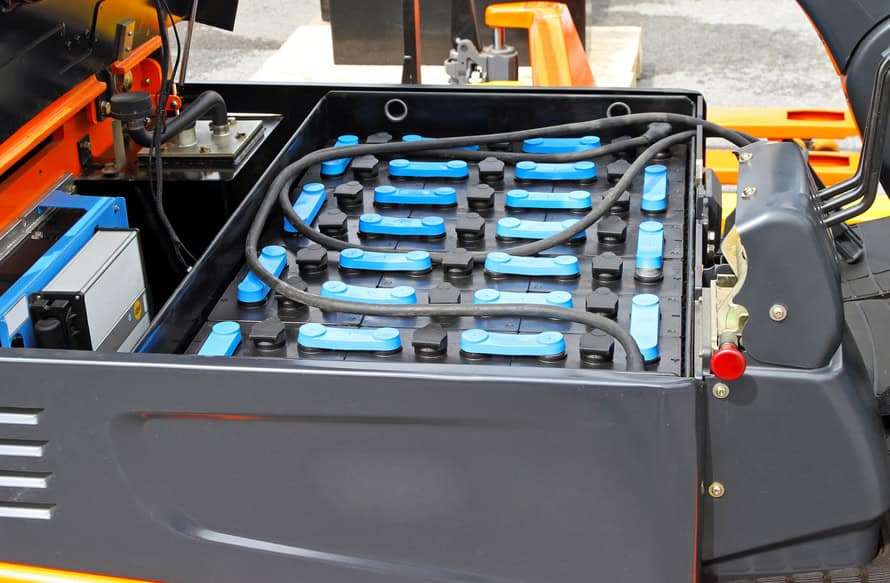
Used electric forklifts depend heavily on battery health. Request a load test or capacity test from the seller. Pitted plates, swollen casing, or excessive add-water intervals indicate a dying battery. Check the charger for proper output and cooling fan operation. Some buyers prefer models like the Liftron DL SERIES, which uses lithium-ion batteries with longer life and no maintenance.
Verify Overall Frame and Undercarriage Integrity
Use a flashlight to inspect the frame rails, axle mounts, and counterweight for cracks or weld repairs. Rust or scaling in structural areas compromises safety. The undercarriage should be dry, not caked with grease-packed debris that hides leaks.
Conduct a Controlled Load Test
Ask to lift a load at least 80% of the rated capacity. Watch for hydraulic droop, slow lifting speeds, or instability. Drive over a bumpy course to test suspension and steering. Listen for clunks from axles or driveline components. Record the sound and behavior for reference.
Negotiate Based on Findings
Use your inspection notes to negotiate a fair price. Minor cosmetic issues are acceptable, but structural, hydraulic, or engine problems justify discounts. Request a written warranty or return policy if possible. Liftron Material Handling offers certified pre-owned options with parts guarantees—an excellent middle ground between new and as-is used units.
| Component | Key Checkpoints |
|---|---|
| Mast | Bends, chain wear, smooth lift/tilt |
| Engine | Leaks, exhaust color, transmission shifts |
| Hydraulics | No leaks, quiet operation, responsive |
| Forks | Thickness, cracks, tip wear |
| Tires | Tread depth, sidewall damage, even wear |
| Brakes | Stop response, parking brake function |
| Battery | Capacity test, corrosion, charge time |
| Frame | Cracks, weld repairs, rust |
A thorough inspection combined with research on make and model prevents costly mistakes. Focus on safety, reliability, and total cost of ownership. When in doubt, consult a professional technician or choose certified inventory from reputable dealers like Liftron Material Handling. The right used forklift will serve your warehouse for years without draining your budget on emergency repairs.
Add a review
Your email address will not be published. Required fields are marked *