
what batteries dues liftron use for forklifts
When maintaining or upgrading a forklift fleet, one of the most frequent questions operators ask is about the specific battery technology required. For businesses relying on Liftron Material Handling equipment, understanding the correct battery specifications is crucial for performance, longevity, and operational efficiency. This article provides a comprehensive breakdown of what batteries Liftron forklifts use, focusing on modern lithium-ion solutions.
Understanding Liftron Forklift Battery Requirements
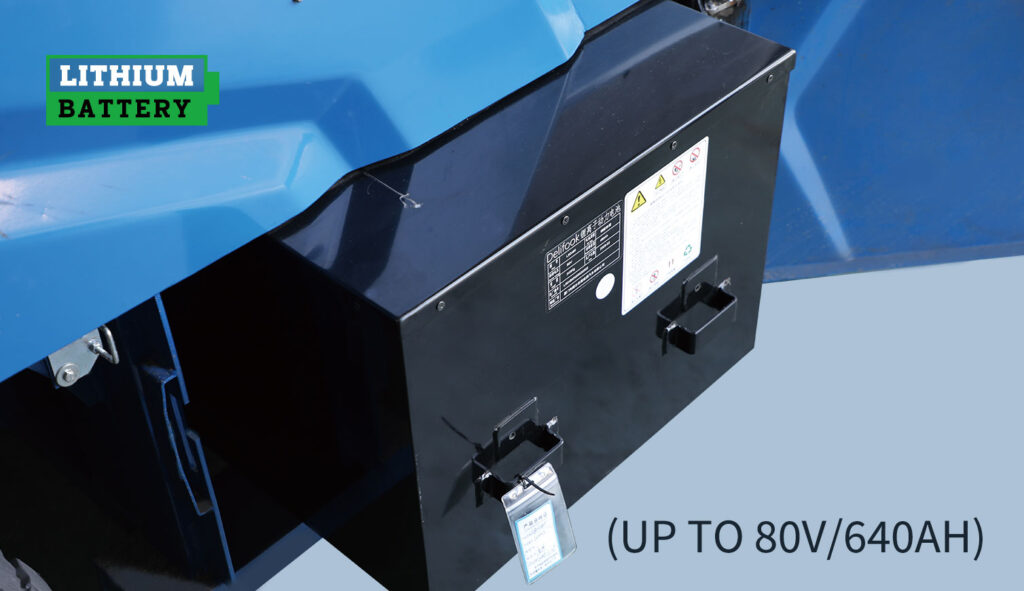
Liftron forklifts are designed with flexibility in mind, supporting both traditional lead-acid batteries and advanced lithium-ion power systems. However, the most significant shift in the material handling industry has been toward lithium-ion technology, which offers faster charging, zero maintenance, and longer cycle life. For newer models, particularly the Liftron DL SERIES, lithium-ion is the recommended and factory-installed battery type.
Lead-Acid Batteries for Older Models
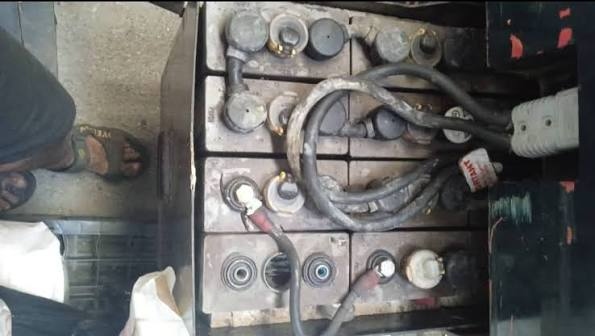
For earlier Liftron models or budget-conscious operations, conventional lead-acid batteries remain a viable option. These typically come in standard voltages such as 24V, 36V, 48V, and 72V, depending on the forklift’s capacity. Key specifications include:
- Capacity: Usually ranges from 300 Ah to 1000 Ah, based on the forklift’s workload.
- Maintenance: Requires regular watering and equalization charging.
- Charging time: 8–10 hours for a full charge, with a cooling-off period.
Lithium-Ion Batteries: The Preferred Modern Choice
Liftron has increasingly standardized on lithium-iron-phosphate (LiFePO4) batteries for their latest equipment. These batteries offer distinct advantages:
- Voltage compatibility: Same nominal voltages as lead-acid (24V–80V), with built-in battery management systems (BMS).
- Energy density: Higher capacity in a smaller footprint.
- Charging speed: Opportunity charging in 1–2 hours without cooling delays.
- Cycle life: 2,000–4,000 cycles, significantly outlasting lead-acid.
In particular, the Liftron DL SERIES utilizes a proprietary lithium-ion pack that delivers consistent power throughout the discharge cycle, eliminating the performance drop-off seen in lead-acid batteries.
How to Identify the Correct Battery for Your Liftron Forklift
Choosing the right battery depends on several factors, including the model number, voltage requirements, and compartment dimensions. Below is a general guideline based on common Liftron classifications:
| Liftron Model Series | Recommended Battery Type | Typical Voltage (V) | Typical Capacity (Ah) |
|---|---|---|---|
| DL Series | Lithium-ion (LiFePO4) | 48–80 | 200–600 |
| EC Series (Electric Counterbalance) | Lithium-ion or Lead-Acid | 48–72 | 300–800 |
| WP Series (Walkie Pallet) | Lithium-ion | 24 | 100–300 |
| RC Series (Reach Truck) | Lithium-ion | 36–48 | 200–500 |
Compatibility and Retrofit Options
If you own an older Liftron forklift originally equipped with lead-acid batteries, a lithium-ion retrofit is often possible. However, you must verify that the forklift’s charging system, controller, and battery compartment are compatible. Liftron Material Handling provides technical support and conversion kits for many models. Key considerations include:
- Physical dimensions: Lithium-ion batteries are typically lighter and can be custom-sized.
- Connector type: Standard Anderson or SB connectors are common, but double-check your model.
- BMS integration: Ensure the battery management system can communicate with your forklift’s controller (e.g., CAN bus or analog).
Why Liftron Recommends Lithium-Ion for the DL SERIES
The Liftron DL SERIES is engineered specifically around lithium-ion technology, making it a natural fit for operations that demand high uptime and low total cost of ownership. Benefits specific to this series include:
- Opportunity charging: Charge during breaks without damaging the battery.
- No maintenance: No watering, cleaning, or equalization required.
- Space saving: Smaller battery footprint allows for more compact forklift design.
- Enhanced safety: LiFePO4 chemistry is thermally stable and non-toxic.
Where to Purchase Replacement Batteries
Genuine Liftron batteries are available through authorized dealers and the Liftron Material Handling website. Third-party suppliers also offer compatible options, but it is strongly recommended to use batteries that meet Liftron’s specifications to avoid voiding warranties or damaging the forklift’s electrical system. Always check the battery rating plate on your forklift for exact voltage and ampere-hour requirements before making a purchase.
Final Recommendations
For maximum productivity, the Liftron DL SERIES with its built-in lithium-ion battery is the optimal choice. If you are replacing a battery in an existing Liftron forklift, consult the owner’s manual or contact Liftron technical support directly. Proper battery selection ensures reliable operation, lower energy costs, and extended equipment life.
By understanding the specific battery types used by Liftron, including the advanced lithium-ion packs in the DL SERIES, operators can make informed decisions that improve their warehouse efficiency and reduce downtime. Whether upgrading or maintaining, choosing the right power source is essential for optimal material handling performance.
Add a review
Your email address will not be published. Required fields are marked *