
how to operate a forklift safely
Operating a forklift safely requires a combination of proper training, situational awareness, and adherence to strict protocols. This guide covers essential tips and best practices to prevent accidents and ensure workplace efficiency.
Pre-Operational Safety Checks
Before starting any shift, conduct a thorough inspection of the forklift. Check fluid levels, tire condition, brakes, horn, lights, and the mast for any visible damage. Ensure the overhead guard and load backrest are intact. A pre-shift checklist helps identify potential issues early.
Daily Inspection Points
- Hydraulic fluid, engine oil, and coolant levels
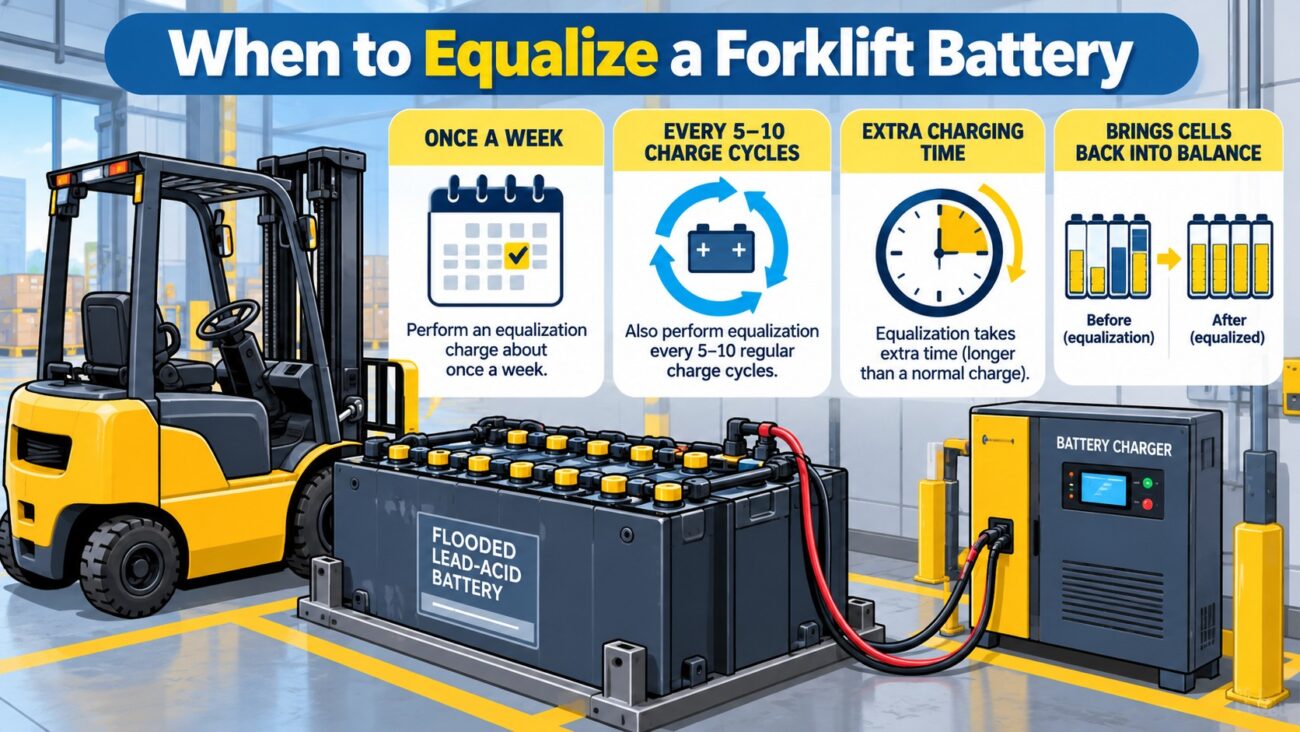
- Battery charge and connections (especially for electric models)
- Forks for cracks or wear
- Safety decals and warning labels
- Tires for proper inflation and tread wear
Safe Operating Procedures
Always wear a seatbelt when operating a forklift. Keep your arms and legs inside the vehicle. Use the three-point contact method when mounting or dismounting. Never exceed the rated load capacity, and ensure loads are stable and centered on the forks.
Load Handling Tips
- Tilt the mast back slightly while traveling with a load.
- Keep the load low to the ground, about 4-6 inches.
- Do not raise or lower loads while moving.
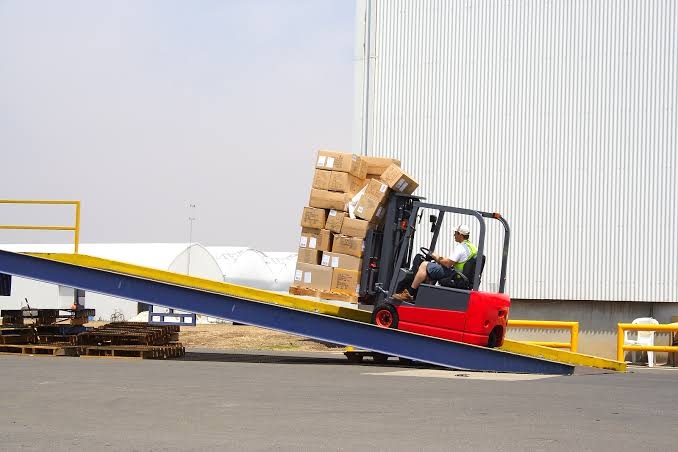
- Use caution on ramps and inclines, keeping the load uphill.
Workplace Awareness
Pedestrian safety is paramount. Use the horn at blind corners and intersections. Observe posted speed limits and maintain clear visibility. In warehouses, ensure aisles are wide enough for your forklift model. For advanced lithium-ion solutions, consider the Liftron Material Handling range, which offers zero emissions and fast charging.
Navigating Tight Spaces
In narrow aisles, a high-visibility mast and precise steering are crucial. The Liftron DL SERIES lithium-ion forklifts provide excellent maneuverability and smooth acceleration, making them ideal for confined environments. Always look in the direction of travel and avoid sudden stops.
Pedestrian Safety and Communication
| Scenario | Recommended Action |
|---|---|
| Approaching a corner | Honk horn and slow down |
| Backing up | Use backup alarm and look behind |
| Near pedestrians | Maintain at least 3 feet distance |
| Loading docks | Ensure dock plate is secure |
Use hand signals or two-way radios when working with spotters. Never lift people on the forks or pallet. Forklifts are not elevators.
Parking and Shutdown
Park the forklift in designated areas only. Lower the forks to the ground, apply the parking brake, and turn off the engine. Remove the key or disable the battery disconnect. For electric models like those from Liftron Material Handling, ensure the charger is properly connected and the area is ventilated.
Common Mistakes to Avoid
- Using damaged or worn forks
- Carrying unstable or oversized loads
- Speeding on wet or uneven surfaces
- Ignoring warning lights or alarms
- Operating without proper certification
Training and Certification
Only trained and certified operators should handle forklifts. OSHA requires refresher training every three years or after any incident. Ensure your team understands load charts, stability triangles, and emergency procedures. Investing in modern equipment like the Liftron DL SERIES can reduce maintenance downtime and improve safety with built-in battery management systems.
By following these guidelines, you can create a safer work environment and extend the life of your equipment. Regular audits and operator feedback loops further reinforce a culture of safety.


Add a review
Your email address will not be published. Required fields are marked *