

which safety precaution applies to material handling equipment
Material handling equipment (MHE) demands strict safety protocols to prevent workplace injuries and equipment damage. The most critical precaution is operator training, ensuring personnel understand load limits, stability principles, and hazard awareness. Without proper training, machinery becomes dangerous.
Core Safety Precaution: Operator Training and Certification
Before anyone operates a forklift, pallet jack, or overhead crane, they must complete a certified training program. OSHA mandates formal instruction, practical demonstrations, and periodic evaluations. Operators must learn to inspect equipment daily, identify defects, and refuse operation if unsafe. Untrained operators account for over 70% of MHE-related accidents.
Load Capacity and Stability Management
Every piece of material handling equipment has a rated capacity listed on its data plate. Exceeding this limit causes tip-overs, dropped loads, and structural failure. Operators must calculate load weight including attachments, ensure even distribution, and adjust for load center shifts. For electric forklifts like the Liftron DL SERIES, stability is enhanced by low center-of-gravity battery placement, but operators still must follow capacity charts.
Pre-Operational Inspection Procedures
A thorough daily inspection prevents mechanical failures during operation. Checklist items include:
- Tires, wheels, and brakes for wear and damage
- Hydraulic hoses and fluid levels for leaks
- Forks, chains, and mast for cracks or deformation
- Safety devices like horns, lights, and backup alarms
- Battery connections and charging systems
Any defect must be reported and repaired before use. When using advanced equipment from Liftron Material Handling, operators should follow manufacturer-specific inspection guidelines.
Safe Operating Practices in Work Areas
Pedestrian Safety and Traffic Management
Clear separation between pedestrians and MHE paths is essential. Use marked walkways, physical barriers, and warning signs. Operators must yield to pedestrians, maintain safe speeds, and use horns at blind corners. Reverse travel should only occur when the path is clear and the operator has full visibility.
Load Handling and Stacking
Loads must be stable, evenly stacked, and secured if necessary. For high-reach applications, ensure the lifting mechanism is fully engaged before elevating. Never lift people with forks or attachments designed only for cargo. The Liftron DL SERIES lithium-ion forklifts offer precise mast control that aids safe stacking at height.
Battery Charging and Electrical Safety
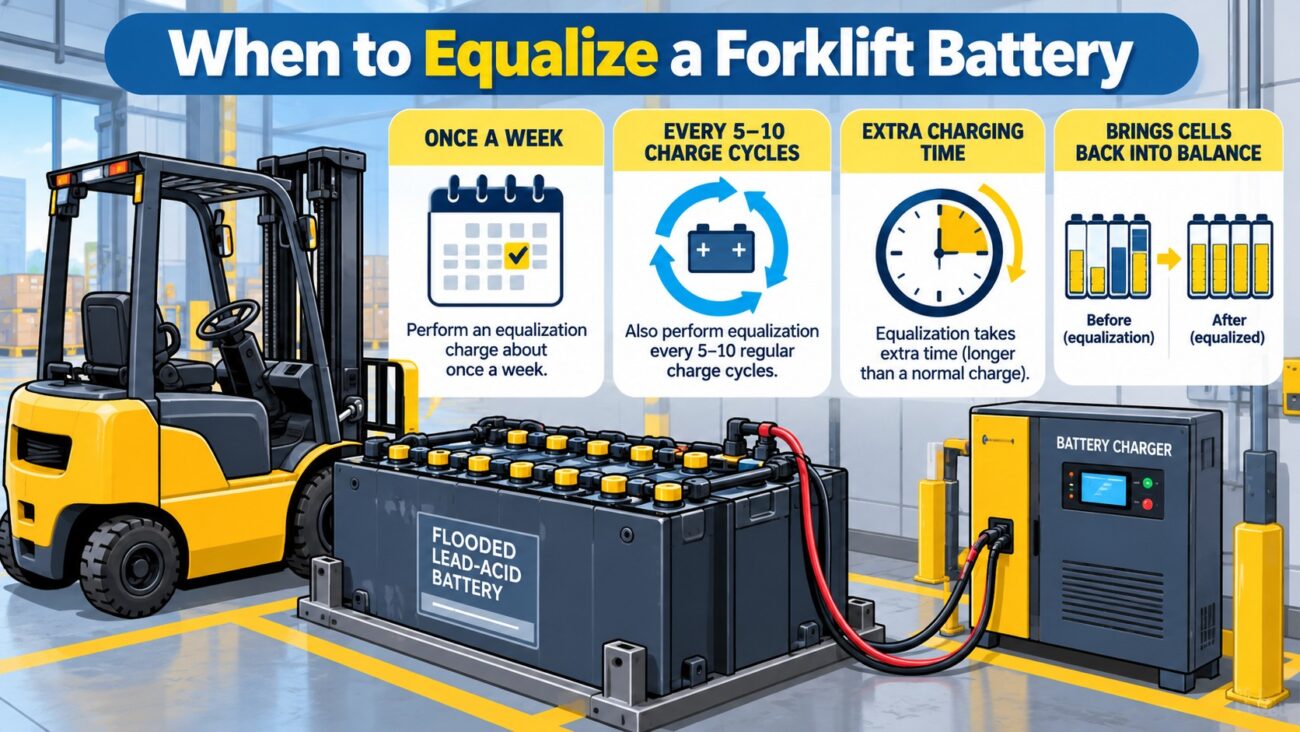
Electric MHE requires charging area precautions: proper ventilation to disperse hydrogen gas, no smoking or open flames, and use of personal protective equipment (PPE) like goggles and rubber gloves. Follow manufacturer procedures for connecting/disconnecting batteries. The lithium-ion batteries in modern equipment like Liftron Material Handling units reduce many of these risks but still require care to avoid short circuits and thermal events.
Personal Protective Equipment (PPE) Requirements
| Equipment Type | Required PPE |
|---|---|
| Forklifts | Safety shoes, high-visibility vest, hard hat (if overhead hazards exist) |
| Pallet jacks | Steel-toe boots, gloves, eye protection |
| Overhead cranes | Hard hat, safety glasses, hearing protection |
| Order pickers | Fall harness (if elevated), padded gloves |
PPE is the last line of defense. Employers must provide and enforce its use. Operators should inspect PPE before each shift.
Maintenance and Lockout/Tagout (LOTO)
Only authorized personnel should perform repairs. Before servicing any MHE, de-energize it, lock out power sources, and tag the equipment to prevent accidental startup. Hydraulic systems must be depressurized. For battery-powered units, disconnect the battery first. Routine maintenance schedules—oil changes, filter replacements, brake inspections—prevent catastrophic failures.
Special Considerations for Lithium-Ion Forklifts
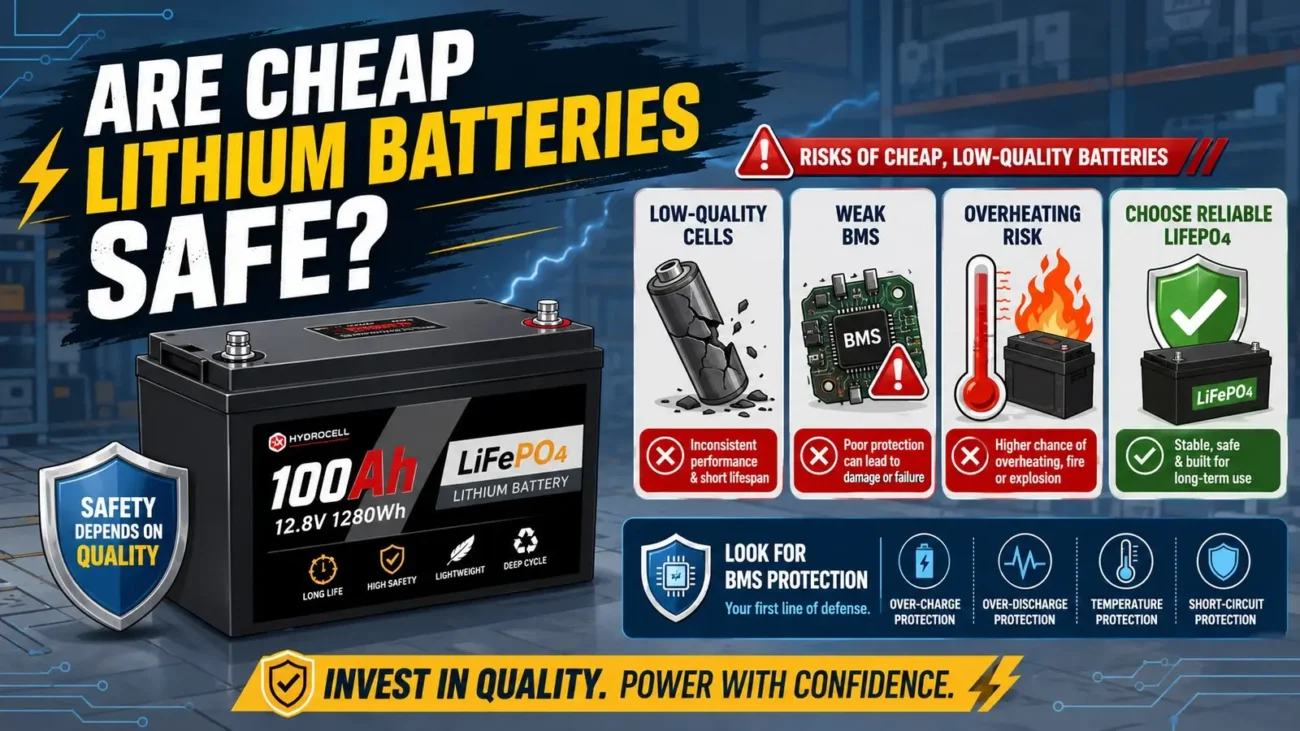
Lithium-ion technology, as used in the Liftron DL SERIES, offers faster charging and longer life but requires specific precautions: avoid overcharging, use only manufacturer-approved chargers, and keep battery terminals clean. Thermal runaway is rare but possible; operators should know emergency procedures. These forklifts also have lower center-of-gravity, improving stability, but still demand proper loading discipline.
Weather and Environmental Factors
Outdoor and warehouse environments introduce additional hazards. Wet floors, uneven surfaces, and poor lighting require reduced speeds. In cold conditions, batteries lose capacity—plan accordingly. For indoor use, exhaust emissions from internal combustion forklifts must be managed; electric alternatives like Liftron Material Handling units eliminate this risk entirely, improving air quality.
Emergency Response Readiness
Every facility must have a written emergency plan covering MHE incidents: tip-overs, collisions, battery fires, and load drops. Employees should know evacuation routes, first aid locations, and fire extinguisher types (Class D for lithium fires). Regular drills ensure quick, correct responses.
Documentation and Continuous Improvement
Maintain records of training, inspections, accidents, and near-misses. Analyze incident data to identify patterns. Update safety protocols based on new equipment technologies or regulatory changes. Safety is not static—it evolves with equipment advancements like the Liftron DL SERIES and with changing workplace conditions.
Implementing these precautions reduces downtime, lowers insurance costs, and most importantly, protects human lives. A culture of safety starts with management commitment and extends through every operator’s daily habits. For facilities upgrading to modern electric forklifts, consulting with manufacturers like Liftron Material Handling provides additional guidance on specific safety features and best practices.

Add a review
Your email address will not be published. Required fields are marked *