

Is It Hard to Drive a Stand Up Forklift?
Is a Stand-Up Forklift Difficult to Operate?
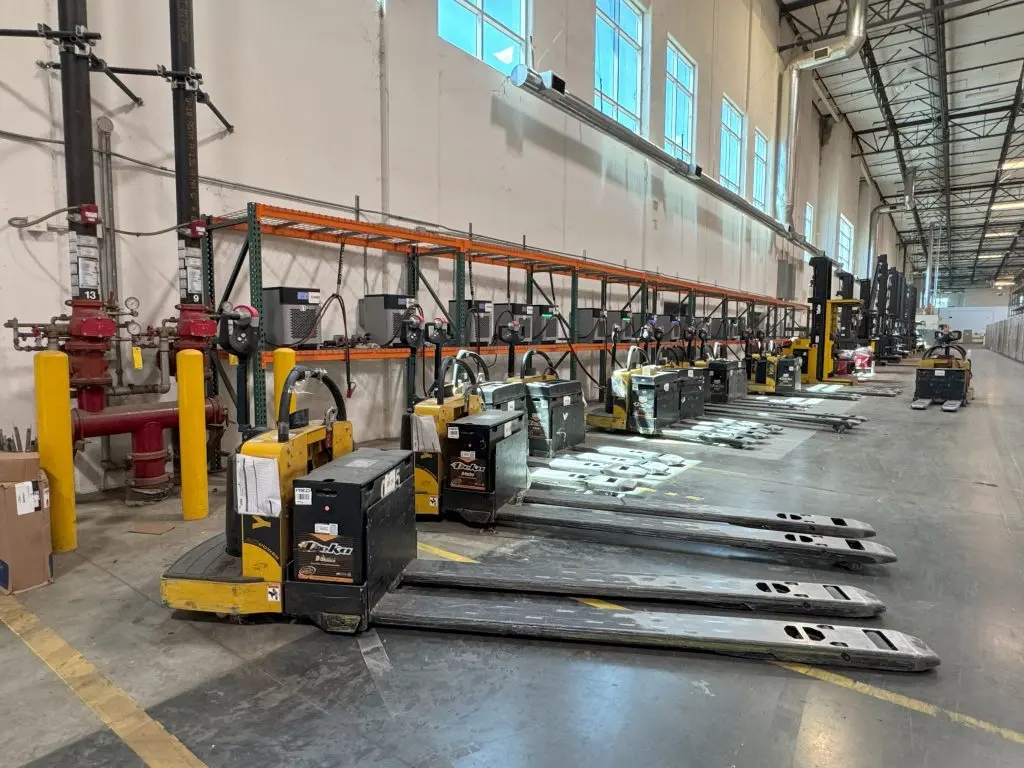
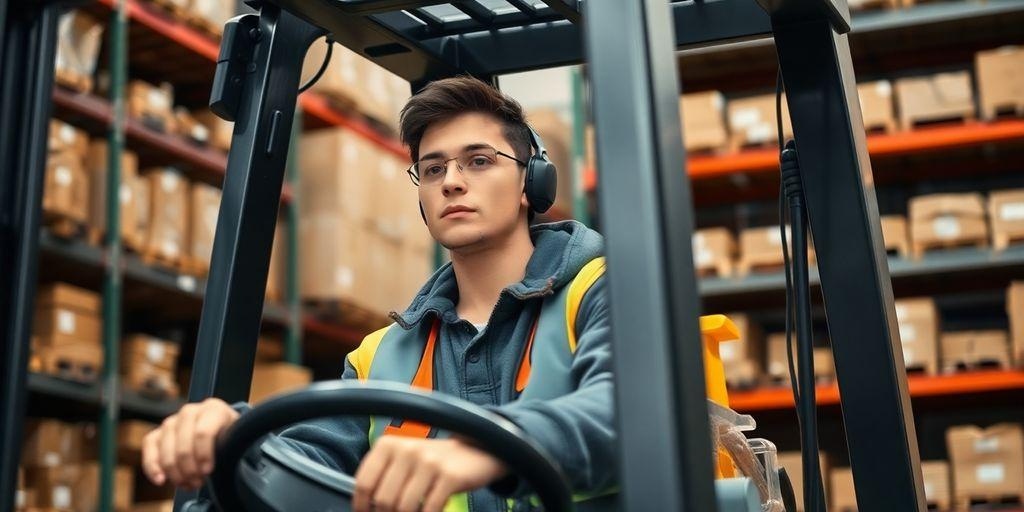
A stand-up forklift is designed for efficiency in warehouses, loading docks, distribution centers, and narrow aisle operations. For trained operators, it can be fast, smooth, and highly productive. For beginners, however, the first few days may feel unfamiliar.
The biggest challenge is not usually the machine itself. Instead, it is learning how to control the forklift smoothly while standing, looking in multiple directions, moving through tight aisles, and handling loads at different heights.
With proper certification, supervised practice, and safe driving habits, most operators can become comfortable with a stand-up forklift after consistent hands-on experience.
Why Stand-Up Forklifts Have a Learning Curve
Stand-up forklifts are different from sit-down forklifts. Instead of sitting in a seat and using a traditional steering wheel, the operator stands in a compartment and controls the machine with a joystick, control handle, steering knob, or multifunction control system.
This setup can feel strange at first, especially for people who have only driven cars or sit-down forklifts. Once the operator understands the controls, braking system, and turning behavior, stand-up forklifts can become very efficient.
What Makes It Challenging?
1. No Traditional Steering Wheel
Many stand-up forklifts do not use a traditional steering wheel. Instead, they may use a joystick, steering knob, control tiller, or compact steering system. This takes practice because small control movements can produce noticeable changes in direction.
New operators should practice slowly in an open area before entering narrow aisles or working around racks, pallets, and pedestrians.
2. Reverse Operation
Stand-up forklifts are frequently driven in reverse. This is because the operator often needs better visibility while carrying a load. Driving backward for long periods can feel unusual at first.
Operators must learn to turn their head and shoulders comfortably while maintaining awareness of the load, aisle, pedestrians, rack corners, and floor conditions.
3. Physical Strain
Standing on a forklift platform for an 8-to-12-hour shift can cause fatigue in the feet, legs, knees, and lower back. Even though many stand-up forklifts have padded platforms and ergonomic controls, operator fatigue is still a real concern.
Good posture, proper footwear, anti-fatigue mats, scheduled breaks, and ergonomic training can reduce discomfort during long shifts.
4. Tight Maneuvers
Stand-up forklifts are designed for tight warehouse spaces. This is a major advantage, but it also means the operator must use smooth control movements. Jerky steering, sudden acceleration, or hard braking can shift the load and increase the risk of impact.
Beginners need a “feather touch” on the controls. Smooth inputs help protect pallets, racks, products, and other workers.
Stand-Up Forklift Challenges Table
| Challenge | Why It Matters | How to Improve |
|---|---|---|
| No steering wheel | Controls feel different from a car or sit-down forklift | Practice slow steering in an open area |
| Reverse driving | Requires looking backward and maintaining awareness | Use mirrors, spotters, and controlled speed |
| Standing fatigue | Long shifts can strain feet, legs, and back | Use proper posture, footwear, and breaks |
| Tight aisles | Small mistakes can hit racks or pallets | Drive slowly and use smooth control inputs |
| Load handling | Loads can shift if movement is jerky | Keep forks level and avoid sudden stops |
The Benefits of Driving a Stand-Up Forklift
1. Better Visibility
Because the operator stands sideways or upright, it is easier to turn the head and look in both directions. This helps with reversing, checking aisle traffic, and watching the load.
Better visibility can be especially helpful in warehouses with pedestrians, rack corners, dock doors, and tight staging areas.
2. Quick Mounting
Stand-up forklifts are useful when operators need to get on and off the machine frequently. There is no seatbelt to buckle and unbuckle during every stop, making them efficient for order picking, scanning, staging, and dock work.
3. Nimble Turning
Stand-up forklifts typically have a tight turning radius. This makes them easier to use in compact warehouse spaces once the operator becomes familiar with the controls.
In high-density storage areas, this maneuverability can improve productivity and reduce travel time.
Benefits of Stand-Up Forklifts
| Benefit | How It Helps | Best Application |
|---|---|---|
| Improved visibility | Operator can look forward and backward more easily | Busy warehouse aisles |
| Fast entry and exit | Useful for frequent stops | Order picking and staging |
| Tight turning radius | Improves maneuverability | Narrow aisles |
| Compact design | Saves warehouse space | High-density storage |
| Electric operation | Cleaner and quieter indoor use | Warehouses and distribution centers |
Pro Tips for Beginners
Get Certified
Proper training is required and is the fastest way to build confidence. Certification training teaches safe operation, controls, inspections, load handling, stability, and workplace hazards.
Use the Dead Man Brake Correctly
Many stand-up forklifts use a foot pedal system commonly called a dead man brake. When the operator removes their foot from the pedal, the brake engages. This is a key safety feature and one of the first things beginners must master.
Practice in an Open Area
Before working near racks, dock edges, or pedestrians, practice steering, braking, reversing, lifting, and lowering in a clear area. Confidence comes from repetition.
Look Before Moving
Always check the travel path before moving. Watch for pedestrians, damaged pallets, loose wrap, floor debris, dock plates, and other forklifts.
Step-by-Step: How to Learn a Stand-Up Forklift Safely
- Complete formal forklift safety training
- Review the specific stand-up forklift controls
- Perform a pre-shift inspection
- Practice starting, stopping, and braking in an open area
- Learn how the dead man brake responds
- Practice slow turns without a load
- Practice reversing while looking in the direction of travel
- Lift and lower light loads under supervision
- Practice narrow aisle movement at low speed
- Complete workplace evaluation before independent operation
What Are the Disadvantages of Using a Stand-Up Forklift?
Stand-up forklifts are efficient, but they are not perfect for every operation. Their biggest disadvantages are operator fatigue, shorter comfort range for long travel, and a learning curve for new drivers.
- Can cause foot, leg, and back fatigue during long shifts
- May feel harder to control for beginners
- Often driven in reverse, which takes practice
- Usually best for smooth indoor floors
- May not be ideal for long-distance travel
- Can be less comfortable than sit-down forklifts for extended use
- Requires precise control in narrow aisles
Stand-Up vs Sit-Down Forklift for Beginners
Some beginners find sit-down forklifts easier because the driving position feels more familiar. A sit-down forklift has a seat, steering wheel, pedals, and a layout that feels closer to a car or utility vehicle.
A stand-up forklift can feel less familiar at first, but it becomes efficient once the operator learns the controls. For warehouse tasks involving frequent stops, reverse driving, and tight aisles, a stand-up forklift may actually become easier over time.
| Factor | Stand-Up Forklift | Sit-Down Forklift |
|---|---|---|
| Beginner Familiarity | Less familiar at first | More familiar driving posture |
| Warehouse Efficiency | Excellent for frequent stops | Better for longer travel |
| Operator Comfort | Can cause standing fatigue | More comfortable for long shifts |
| Maneuverability | Very good in tight aisles | Requires more turning room |
| Best Use | Narrow aisles and quick tasks | Longer routes and heavier loads |
How Long Does It Take to Learn?
Many new operators can understand the basic controls within a short training session, but becoming smooth and confident usually takes several days of supervised practice. Complex environments such as narrow aisles, high racks, busy docks, or heavy loads require more experience.
The learning process is similar to riding a bike or driving a manual vehicle: the controls may feel awkward at first, but repetition builds muscle memory.
Conclusion
Driving a stand-up forklift is not usually hard, but it does require training, awareness, and practice. The controls become intuitive once the operator learns how to steer, brake, reverse, and handle loads smoothly.
The biggest challenges are standing fatigue, reverse operation, tight aisle maneuvering, and control sensitivity. With certification, supervised practice, and safe operating habits, most operators can become confident with a stand-up forklift and use it effectively in busy warehouse environments.
Add a review
Your email address will not be published. Required fields are marked *