
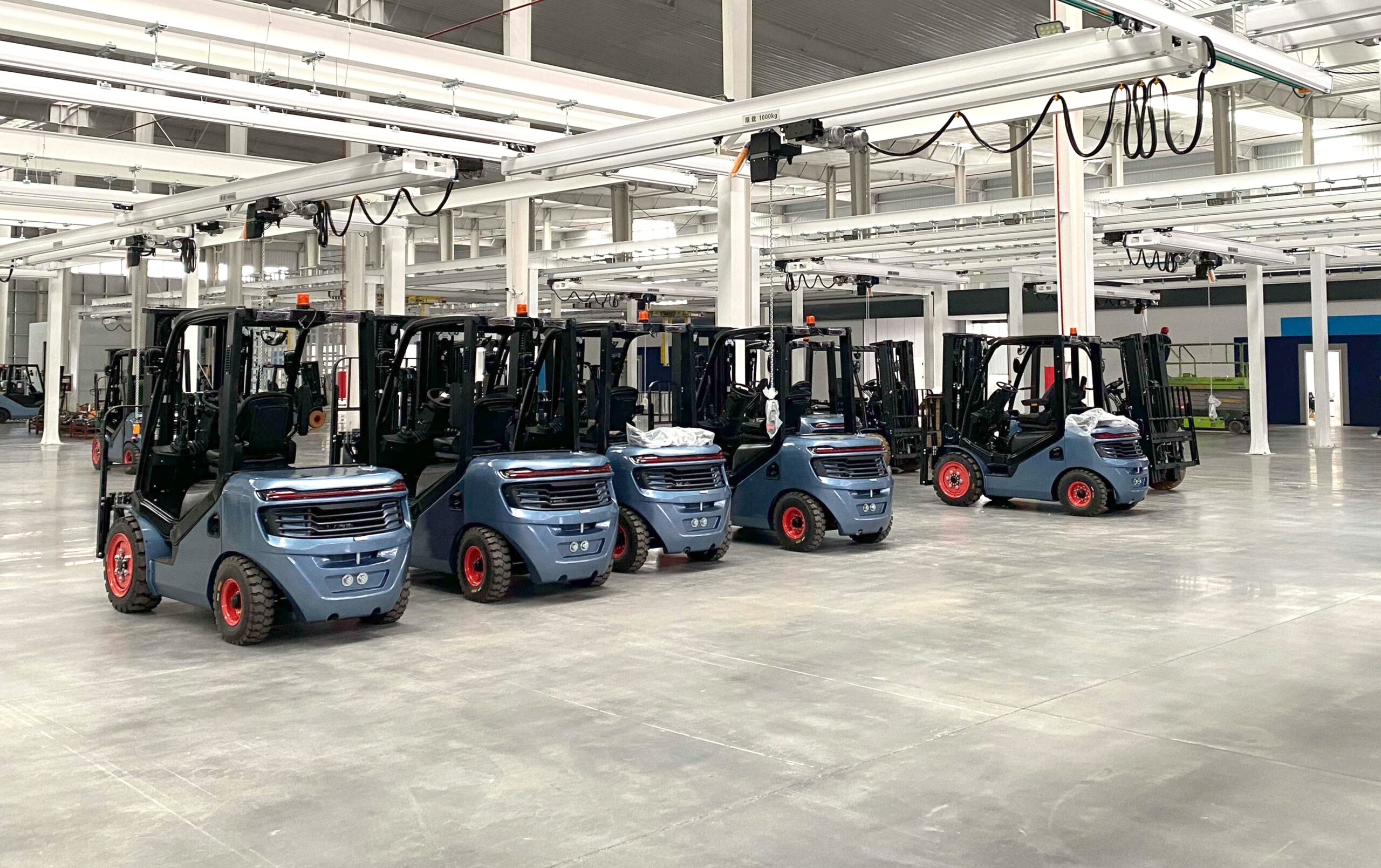
how much does a stand up forklift weigh
Stand-up forklifts typically weigh between 4,000 and 10,000 pounds, depending on their capacity, battery type, and design. These compact electric machines are essential for warehouses and loading docks, and their weight influences floor loading, transport, and safety protocols.
Factors That Determine Stand-Up Forklift Weight
The weight of a stand-up forklift varies significantly based on several key specifications:
Battery Type and Size
The single largest contributor to a stand-up forklift’s weight is its battery. Traditional lead-acid batteries can weigh over 2,000 pounds, while lithium-ion alternatives are considerably lighter. For example, the Liftron Material Handling lineup of stand-up forklifts offers options that balance weight and power, with lithium-ion models providing up to 40% weight savings compared to lead-acid equivalents.
Lift Capacity
Higher lift capacities require heavier counterweights and sturdier masts. Typical weight ranges include:
- 3,000–3,500 lb capacity: 5,000–7,000 lb total weight
- 4,000–5,000 lb capacity: 7,000–9,000 lb total weight
- 5,000+ lb capacity: 8,500–10,500 lb total weight
Mast Configuration
Telescopic masts, side shifters, and fork positioners add mass. A triple-stage mast can increase total weight by 300–600 pounds over a simplex mast.
Weight Categories for Common Stand-Up Forklifts
Based on industry data, here is a representative breakdown of stand-up forklift weights:
| Model Type | Lift Capacity (lbs) | Weight Range (lbs) |
|---|---|---|
| Compact stand-up | 3,000 – 3,500 | 4,200 – 5,800 |
| Mid-range stand-up | 4,000 – 4,500 | 5,500 – 7,200 |
| Heavy-duty stand-up | 5,000 – 6,000 | 7,000 – 9,500 |
| Lithium-ion models | 3,000 – 5,000 | 4,000 – 6,500 |
Why Stand-Up Forklift Weight Matters
Understanding the weight of a stand-up forklift is crucial for several operational reasons:
Floor Load Ratings
Warehouse floors have specific weight limits. A 9,000-pound forklift plus a 4,000-pound load exerts significant point load pressure. Always check that concrete slabs can support the combined weight plus dynamic forces during travel.
Transportation
When shipping or moving a stand-up forklift, knowing exact weight is necessary for trucking regulations. Most standard forklift trailers require permits for loads over 10,000 pounds. The Liftron DL SERIES lithium-ion models are particularly advantageous here, with their reduced weight enabling easier transport and lower shipping costs.
Battery Handling
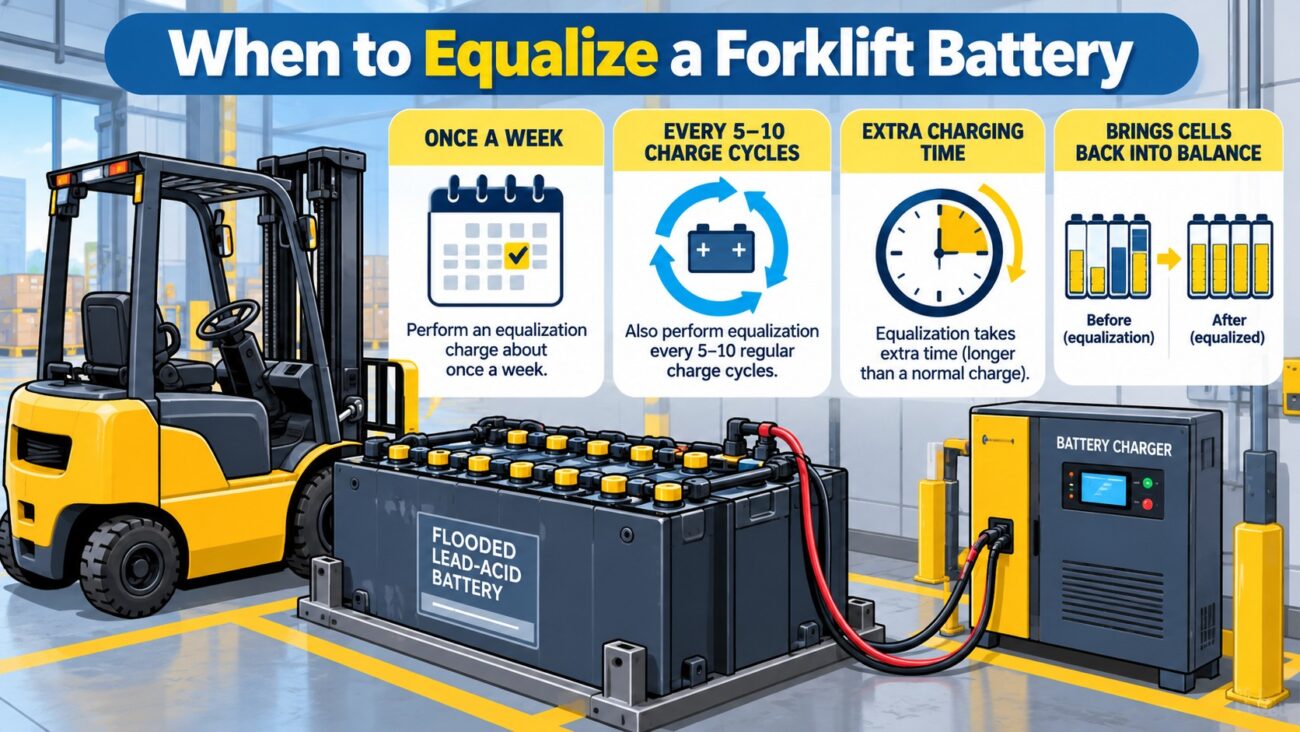
If you use a stand-up forklift with a removable lead-acid battery, the battery weight alone (often 35–50% of total forklift weight) requires specialized hoisting equipment. Lithium-ion batteries eliminate this concern because they are fully integrated and lighter.
How to Find the Exact Weight of Your Stand-Up Forklift
To determine the precise weight of a specific model:
- Check the manufacturer’s data plate (usually mounted on the chassis)
- Consult the operator’s manual or online specification sheet
- Weigh the forklift on a certified scale (recommended for used equipment)
- Account for any aftermarket attachments (fork extensions, side shifters, etc.)
Weight Comparisons: Stand-Up vs. Sit-Down Forklifts
Stand-up forklifts are generally lighter than their sit-down counterparts. For example, a typical 5,000 lb capacity sit-down counterbalance forklift weighs 8,000–10,000 pounds, while a stand-up model of the same capacity might weigh 7,000–9,000 pounds. The difference comes from the operator compartment design; stand-up units have a smaller overall footprint and less steel structure.
Lithium-Ion Advantage
Modern battery technology is reshaping forklift weight profiles. The Liftron DL SERIES stand-up forklift uses lithium-ion batteries that are up to 60% lighter than lead-acid batteries. This weight reduction delivers multiple benefits:
- Lower floor loading requirements
- Reduced energy consumption during operation
- Faster acceleration and tighter turning radius
- Elimination of battery watering and equalization
- Opportunity charging (no need to swap batteries)
Safety Considerations Based on Weight
Operating a stand-up forklift requires awareness of its weight and center of gravity:
- Stability: Heavier loads shift the center of gravity forward; never exceed rated capacity.
- Ramp operation: Always travel with the load uphill on inclines.
- Overhead weight: Verify mezzanine and elevator load capacities before operating.
- Personnel platforms: Only use approved attachments that account for combined weight.
Conclusion
The weight of a stand-up forklift is not a fixed number—it depends on capacity, battery type, mast, and attachments. Most models fall between 4,000 and 10,000 pounds, with modern lithium-ion variants like those from Liftron Material Handling offering significant weight reductions without sacrificing performance. Always verify the exact weight of your specific unit before making floor loading decisions, arranging transport, or planning facility layouts. Understanding this key specification helps ensure safe, efficient warehouse operations.


Add a review
Your email address will not be published. Required fields are marked *