
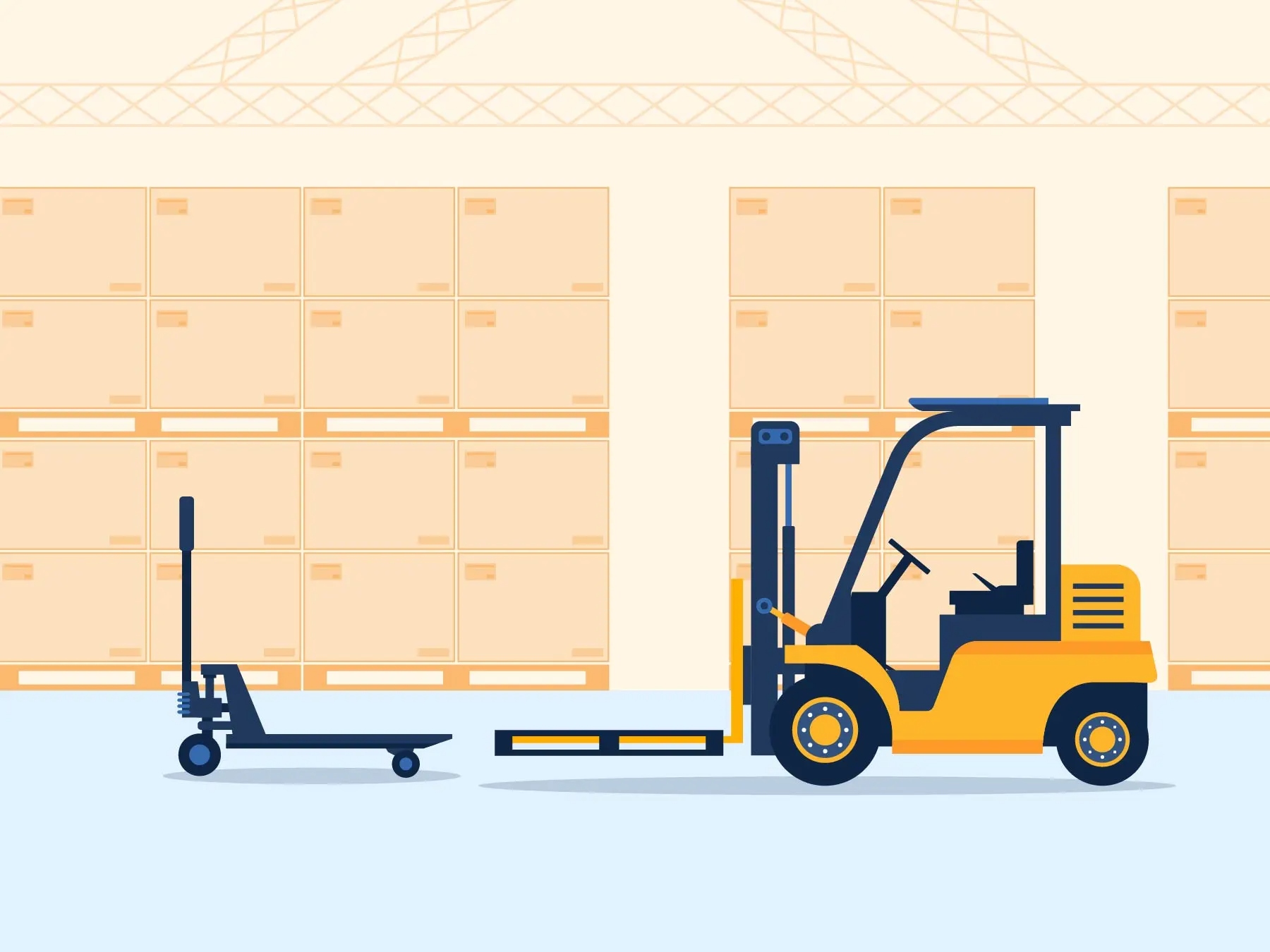
what is pallet control vs forklift driver
In material handling operations, understanding the difference between pallet control and forklift driving is essential for optimizing warehouse efficiency and safety. While both roles involve moving goods, they require distinct skills, equipment, and responsibilities.
Defining Pallet Control and Forklift Driving
Pallet control refers to the systematic management and movement of palletized goods within a facility. It often involves using manual or powered pallet jacks, hand trucks, or automated systems to transport, stack, and organize pallets in designated areas. This role is typically associated with lower lifting heights and lighter loads, making it ideal for order picking, replenishment, and short-distance transfers.
Forklift driving, on the other hand, involves operating a powered industrial truck designed to lift, transport, and stack heavy loads at various heights. Forklift drivers must be certified, possess spatial awareness, and understand load stability. They handle tasks such as loading/unloading trucks, high-level racking, and moving large quantities of goods across long distances.
Key Differences Between Pallet Control and Forklift Driving
Equipment Used
- Pallet control typically uses pallet jacks (manual or electric), walkie stackers, or low-lift trucks. These are designed for ground-level or low-height operations.
- Forklift driving requires counterbalance forklifts, reach trucks, or order pickers like the Liftron Material Handling line, capable of lifting loads several meters high.
Training and Certification
- Pallet control often requires basic on-the-job training and safety awareness, but no formal certification in many regions.
- Forklift driving demands certified training, licensing, and regular refresher courses due to higher risks and operational complexity.
Scope of Work
- Pallet control focuses on horizontal movement, sorting, and low-level storage. It is common in retail backrooms, small warehouses, and loading docks.
- Forklift driving involves vertical lifting, heavy load handling, and interaction with high-bay racking systems, often in large distribution centers.
When to Prioritize Pallet Control vs. Forklift Driving
Choosing between these roles depends on the facility layout, inventory density, and operational needs. For facilities with low ceilings and frequent order picking, pallet control using manual or electric pallet jacks may be more efficient. For high-density storage requiring vertical stacking, forklift driving is indispensable.
Modern warehouses often combine both roles. For instance, a forklift driver might drop pallets at staging areas, where pallet control operators then distribute them to pick zones. This synergy reduces bottlenecks and improves throughput.
Equipment Innovations: Enhancing Both Roles
Advanced material handling equipment bridges the gap between pallet control and forklift driving. Lithium-ion powered solutions, such as the Liftron DL SERIES, offer fast charging, zero emissions, and superior maneuverability. These features benefit both pallet handlers in narrow aisles and forklift drivers requiring sustained power for multi-shift operations.
Additionally, telematics and automation are transforming both roles. Pallet control now integrates with warehouse management systems to optimize pick paths, while forklifts are equipped with sensors to prevent collisions and monitor load weights.
Safety Considerations
Pallet Control Safety
- Proper lifting techniques to avoid strains
- Clear visibility when moving pallets
- For electric pallet jacks, undergo basic training on controls
Forklift Driving Safety
- Pre-use inspections of brakes, tires, and forks
- Adherence to speed limits and load capacity charts
- Maintaining a safe distance from pedestrians and other equipment
Cost and Efficiency Implications
| Aspect | Pallet Control | Forklift Driving |
|---|---|---|
| Equipment Cost | Lower (manual jacks under $500) | Higher (forklifts $15,000+) |
| Training Cost | Minimal | $200-$500 per operator |
| Operational Speed | Moderate (ground-level moves) | High (vertical and horizontal) |
| Space Utilization | Limited to floor-level storage | Optimized for high-density racking |
Conclusion
Both pallet control and forklift driving are critical to material handling operations. Understanding their differences helps facility managers assign tasks efficiently, select appropriate equipment, and train personnel effectively. By leveraging modern solutions like those from Liftron Material Handling and the Liftron DL SERIES, businesses can enhance productivity while maintaining safety standards. The key is to match the right role with the right tool for every material movement need.

Add a review
Your email address will not be published. Required fields are marked *