
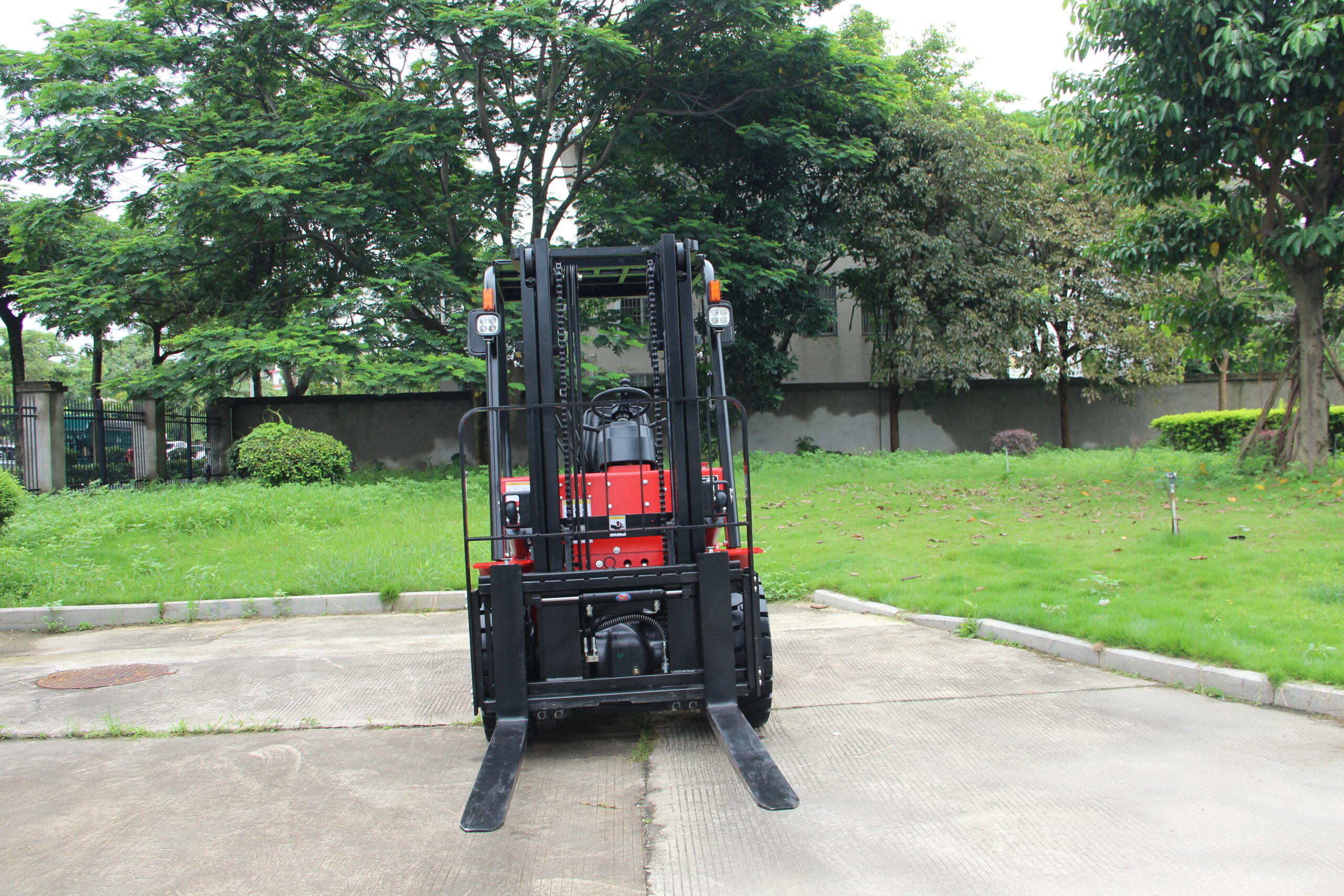
How to open hood on liftron forklift
Knowing how to open the hood on a Liftron forklift is essential for routine inspections, battery maintenance, and troubleshooting. This guide explains the process step-by-step while also helping buyers choose the right forklift for their operations.
Why You May Need to Open the Hood on a Liftron Forklift
Regular forklift maintenance is critical for ensuring safety, maximizing uptime, and extending equipment lifespan. On electric lithium-ion forklifts, the hood (also called the engine cover or battery compartment cover) provides access to important internal components such as:
- Lithium-ion battery systems
- Electrical wiring and connectors
- Hydraulic components
- Controllers and electronic modules
- Maintenance inspection points
Fortunately, most Liftron electric forklifts are designed with a user-friendly hood release mechanism that allows operators and technicians to access these components quickly without requiring special tools.
Step-by-Step: How to Open the Hood on a Liftron Forklift
Step 1: Prepare the Forklift
Before opening the hood, make sure the forklift is parked safely.
- Park on a flat and level surface.
- Lower the forks completely to the ground.
- Apply the parking brake.
- Turn off the forklift power.
- Remove the key if applicable.
These precautions help prevent accidental movement and ensure operator safety during maintenance.
Step 2: Clear the Operator Area
Some Liftron forklift models feature an adjustable steering column. If your forklift includes this feature, move the steering wheel forward to create additional clearance for the hood to tilt upward.
This small adjustment can make the opening process smoother and prevent interference between the steering column and hood assembly.
Step 3: Slide the Seat Forward
Locate the seat adjustment lever beneath the operator’s seat.
Pull the lever and slide the seat completely forward along its tracks. Moving the seat forward exposes the hood latch mechanism located behind or underneath the seat assembly.
This is one of the most common access points used on modern electric lithium-ion forklifts.
Step 4: Release the Hood Latch
After exposing the latch area, locate the hood release mechanism.
Depending on the forklift model, the latch may appear as:
- A release lever
- A pull handle
- A rubberized T-catch
- A locking hook mechanism
Pull or disengage the latch firmly. You may hear a click indicating that the hood lock has been released.
If the hood does not immediately open, verify that all latch points have been fully disengaged.
Step 5: Lift the Hood
Carefully lift the rear portion of the hood.
Most Liftron electric forklifts are equipped with gas-assist struts or support shocks that automatically hold the hood open once lifted.
This hands-free design provides convenient access to the battery compartment and internal systems while reducing operator effort.
Once fully open, visually confirm that the support strut is securely holding the hood before beginning any inspection or maintenance work.
Safety Tips When Opening the Forklift Hood
Following proper safety procedures can help prevent injuries and equipment damage.
- Always power down the forklift before opening the hood.
- Wear appropriate personal protective equipment.
- Never force the hood open if resistance is encountered.
- Inspect gas struts regularly for wear or damage.
- Keep hands away from pinch points during opening and closing.
- Ensure the hood is securely latched after maintenance.
For lithium-ion forklifts, avoid contacting exposed electrical components unless you are trained and authorized to perform electrical maintenance.
Benefits of Lithium-Ion Forklifts
Many modern forklift fleets are transitioning from traditional lead-acid batteries to lithium-ion technology due to its numerous advantages.
- Fast charging capability
- Opportunity charging during breaks
- Reduced maintenance requirements
- Longer battery life
- Higher energy efficiency
- Consistent performance throughout the shift
These benefits contribute to lower operating costs and improved productivity in warehouses, manufacturing facilities, logistics centers, and distribution operations.
How to Choose the Right Forklift
Selecting the right forklift can significantly impact operational efficiency and overall ownership costs. Consider the following factors before making a purchase or rental decision.
1. Choose a Forklift Based on Your Application
The first consideration should be your working environment and operational requirements.
Ask yourself the following questions:
- Will the forklift be used indoors, outdoors, or both?
- What lifting capacity is required?
- How high must loads be lifted?
- How narrow are the aisles?
- What type of flooring will the forklift operate on?
Different environments require different forklift configurations. For example, warehouses often benefit from electric forklifts due to their low noise levels and zero emissions.
2. Compare Brands and Total Ownership Costs
Forklift pricing can vary significantly between manufacturers.
While established brands may offer strong reputations, emerging manufacturers often provide excellent value, advanced technology, and competitive support programs.
For example, Liftron Material Handling offers modern lithium-ion forklift solutions designed to meet a wide variety of operational requirements.
Its Liftron DL SERIES forklifts are suitable for diverse applications including warehousing, manufacturing, logistics, retail distribution, and material handling operations. These models combine efficient lithium-ion technology with operator-friendly features and reliable performance.
When evaluating forklift brands, consider:
- Purchase price
- Maintenance costs
- Battery technology
- Parts availability
- Warranty coverage
- Dealer support network
- Resale value
3. Decide Between Renting and Buying
Your expected usage period should influence whether you rent or purchase a forklift.
Renting may be a practical option when:
- Projects are temporary.
- Seasonal demand fluctuates.
- Short-term equipment needs arise.
- Capital budgets are limited.
Purchasing is often the better long-term investment when:
- The forklift will be used daily.
- Operations are ongoing.
- You want lower long-term operating costs.
- You require equipment availability at all times.
For businesses with continuous material handling requirements, owning a forklift typically delivers greater value over time.
Conclusion
Opening the hood on a Liftron electric lithium-ion forklift is a straightforward process that provides quick access to essential components for inspection and maintenance. By parking safely, sliding the seat forward, releasing the hood latch, and carefully lifting the cover, operators can access the battery compartment efficiently and safely.
Whether you are maintaining an existing forklift or evaluating new equipment, choosing the right model is equally important. Consider your operating environment, compare brands carefully, and determine whether renting or purchasing best aligns with your business goals. Modern lithium-ion solutions such as the Liftron DL SERIES continue to provide businesses with efficient, reliable, and cost-effective material handling performance.
Add a review
Your email address will not be published. Required fields are marked *