
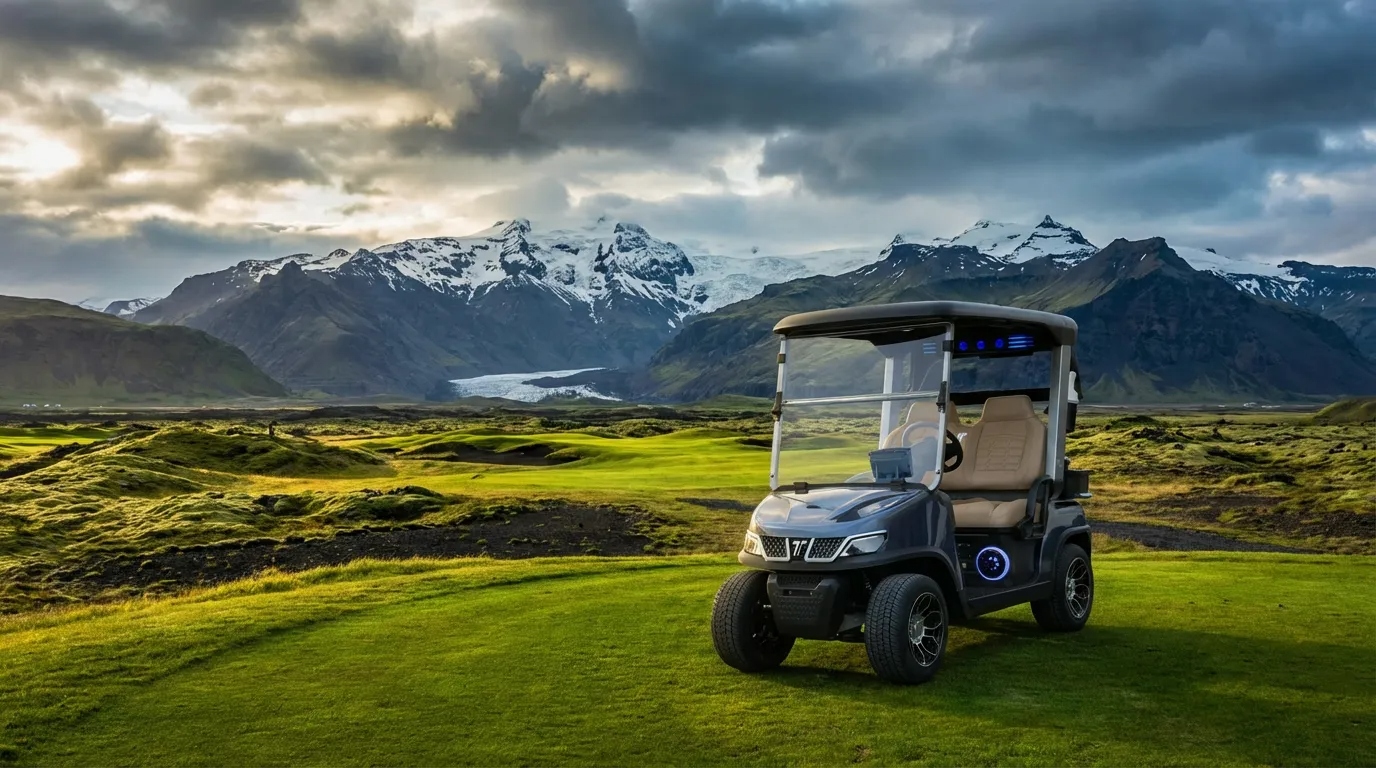
The Modern Landscape of Golf Cart Businesses
The modern golf cart business is evolving fast as electric mobility, customization, and neighborhood transportation reshape the market.
The modern landscape of golf cart businesses looks very different from the traditional course-focused industry of the past. For decades, the Golf Cart market was mainly built around golf courses, country clubs, resorts, and fleet sales. Today, the business has expanded into residential communities, tourism destinations, commercial facilities, campuses, hospitality operations, and short-distance urban mobility.
This transformation is driven by changing consumer expectations. Buyers no longer see golf carts only as simple vehicles for moving between holes. They now expect comfort, technology, style, electric performance, lithium battery systems, smart features, and customization. As a result, golf cart businesses are shifting from basic vehicle sales to a broader mobility ecosystem that includes retail, rentals, service, upgrades, accessories, financing, fleet management, and community transportation solutions.
Market growth supports this shift. Recent industry reports estimate the global golf cart market at more than $2 billion in 2024, with projections reaching more than $3 billion by 2033. Growth is being supported by electric models, residential communities, resorts, commercial facilities, and demand for compact transportation in planned environments.
Key Trends Transforming the Golf Cart Business Landscape
| Trend | How It Changes Golf Cart Businesses |
|---|---|
| Beyond the Fairway | Golf carts are increasingly used in residential communities, gated developments, resorts, campuses, and short-distance local travel. |
| Technological Integration | Modern carts now include GPS navigation, Bluetooth connectivity, lithium battery management, digital dashboards, and smartphone integration. |
| Rise of New Competitors | Emerging manufacturers such as Tara Electric Vehicles are challenging traditional brands with stylish, feature-rich electric models. |
| Sustainability and Solar Power | Electric and solar-assisted carts are gaining attention as buyers look for cleaner and more energy-efficient transportation. |
| Customization Demand | Customers want personalized colors, seats, wheels, lighting, audio, storage, dashboards, and comfort features. |
Beyond the Fairway: Golf Carts as Everyday Mobility
One of the biggest changes in the golf cart business is the move beyond golf courses. Golf carts are now widely used in retirement communities, gated neighborhoods, beach towns, vacation resorts, college campuses, industrial parks, airports, warehouses, event venues, and large private properties.
This wider use has changed the customer base. A golf course fleet manager may still care about durability, maintenance cost, and charging infrastructure, but a residential buyer may care more about seating comfort, style, entertainment features, and daily convenience. A resort operator may want carts for guest transportation, while a commercial facility may need utility models for staff movement and equipment handling.
For golf cart businesses, this creates more opportunities. Dealers can serve private buyers, community associations, rental companies, hotels, tourist attractions, construction sites, maintenance teams, and security departments. The business model is no longer limited to selling standard carts to courses. It now includes specialized solutions for many different use cases.
Technology Is Redefining the Product
Modern golf carts are becoming smarter and more advanced. Many models now include digital displays, USB charging ports, Bluetooth audio, GPS systems, backup cameras, LED lighting, lithium battery systems, regenerative braking, app-connected features, and improved onboard diagnostics.
This technology changes how golf cart businesses compete. In the past, buyers may have compared basic price, brand name, and seating capacity. Today, they also compare battery chemistry, range, charging time, comfort, infotainment, safety features, design quality, and software-supported convenience.
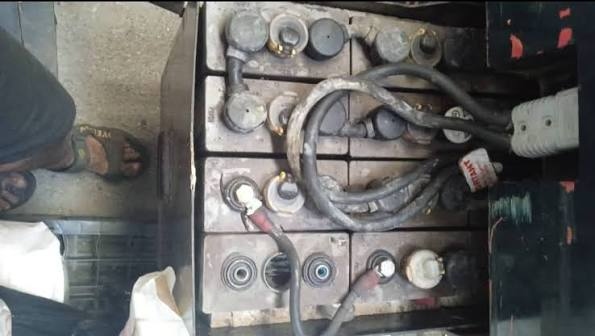
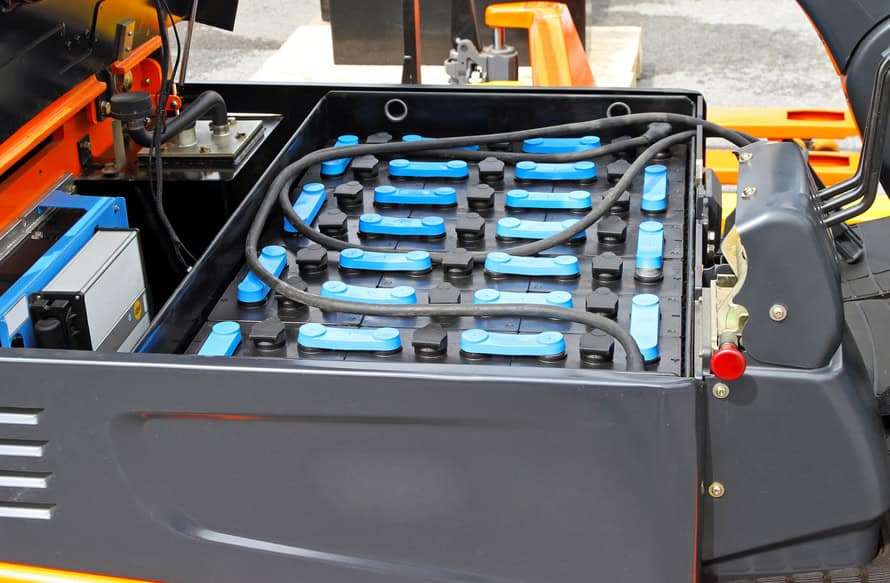
Lithium battery systems are especially important. Compared with traditional lead-acid batteries, lithium batteries can reduce maintenance, improve performance consistency, lower weight, and extend service life. For dealers and service businesses, lithium upgrades, charger compatibility, battery diagnostics, and replacement packages have become valuable revenue opportunities.
The Rise of New Competitors
The golf cart industry has long been associated with traditional major brands such as Club Car, E-Z-GO, and Yamaha. These brands remain important and trusted, especially in fleet sales and long-established golf course relationships. However, the modern market is becoming more competitive.
Newer manufacturers such as Tara Electric Vehicles are entering the market with electric models that emphasize modern styling, comfort, technology, and strong feature value. These companies appeal to buyers who want more than a basic golf cart. They want a refined product that feels suitable for both course use and lifestyle transportation.
This competition benefits consumers and pushes the industry forward. Traditional brands must continue improving technology and comfort, while newer brands must prove quality, support, and long-term reliability. For dealers, this creates more product variety and more ways to serve different customer segments.
Customization as a Business Driver
Customization is now one of the strongest forces in the golf cart business. Buyers want carts that reflect their personality, lifestyle, community, or business brand. Common upgrades include custom seats, premium wheels, paint colors, roof options, lighting kits, sound systems, storage compartments, coolers, lift kits, weather enclosures, and dashboard accessories.
This creates an important profit center for dealers and shops. A customer may purchase a standard cart, then add multiple upgrades before delivery. Communities and businesses may also customize carts with logos, colors, utility beds, passenger layouts, or special accessories.
The demand for personalization also supports aftermarket businesses. Even after purchase, owners may return for new accessories, battery upgrades, tire replacements, seat changes, audio systems, or seasonal service. In this way, the modern golf cart business is not only about the initial sale; it is about long-term customer relationships.
Sustainability and Electric Growth
Electric golf carts are becoming increasingly popular because they are quiet, cleaner during operation, and well suited for short-distance transportation. In communities, resorts, campuses, and commercial properties, electric carts reduce noise and create a more comfortable environment for pedestrians, guests, and residents.
Sustainability is also becoming part of brand identity. Hotels, resorts, communities, and businesses want transportation options that support environmental goals. Solar-assisted carts and efficient battery systems are gaining attention, especially in sunny regions and eco-tourism destinations.
For golf cart businesses, sustainability can become a strong sales message. Dealers can promote lower operating noise, reduced fuel dependence, fewer routine maintenance tasks, and cleaner electric mobility. Service providers can also benefit by offering battery health checks, lithium upgrades, charging solutions, and energy-efficient fleet planning.
Rental and Tourism Opportunities
Tourism has become another major growth area. Beach towns, islands, vacation communities, resorts, campgrounds, and tourist districts increasingly use golf carts for short-distance travel. Visitors like golf carts because they are easy to park, fun to drive, and better suited to relaxed local exploration than full-size vehicles.
This has created strong demand for rental businesses. A golf cart rental company can serve vacationers, wedding events, festivals, resorts, and seasonal visitors. The best rental operations focus on convenience, safety, clean vehicles, online booking, delivery service, clear usage rules, and strong maintenance routines.
Rental demand also supports local dealers, parts suppliers, repair shops, and battery providers. High-use rental carts need frequent inspections, tire service, brake checks, battery maintenance, and cosmetic upkeep.
What Are the Newest Innovations in Golf Carts?
The newest innovations in golf carts focus on smarter power, better comfort, safer driving, and more connected user experiences. Lithium battery systems are one of the most important upgrades, offering longer cycle life, faster charging, lighter weight, and less maintenance. Battery management systems help monitor voltage, temperature, charging, and protection functions.
Another innovation is improved digital control. Modern carts may include touchscreen displays, GPS navigation, Bluetooth audio, smartphone charging, app connectivity, reverse cameras, and digital speed or range information. These features make golf carts feel more like compact lifestyle vehicles than simple utility carts.
Comfort innovation is also important. Premium seating, ergonomic layouts, better suspension, upgraded steering, weather protection, cup holders, storage spaces, and quieter ride quality all influence buying decisions. In residential and tourism markets, comfort can be just as important as performance.
Safety-focused innovation includes LED lighting, turn signals, mirrors, seat belts, braking improvements, stronger frames, better visibility, and speed management systems. As golf carts move into more mixed-use environments, safety features become increasingly important.
The Future of Golf Cart Businesses
The future of golf cart businesses will likely be shaped by electric mobility, smart technology, customization, and community transportation planning. Dealers that only sell basic carts may face more competition, while businesses that provide complete mobility solutions can build stronger customer loyalty.
Successful golf cart companies will need to understand different buyer groups. Golf courses want fleet reliability. Communities want comfort and daily practicality. Resorts want guest-friendly transportation. Commercial users want utility and uptime. Private buyers want style, features, and value. A modern golf cart business must be able to speak to all of these needs.
Service will also become more important. As carts become more advanced, customers will need support for lithium batteries, controllers, software features, chargers, diagnostics, accessories, and safety systems. Businesses that provide dependable after-sales service will have a major advantage.
Conclusion
The modern landscape of golf cart businesses is expanding far beyond traditional course sales. The market is becoming a high-growth, technology-driven industry supported by electric mobility, customization, residential transportation, tourism, sustainability, and new competitors. Golf carts are now used in communities, resorts, commercial spaces, campuses, and local travel environments.
New innovations such as lithium batteries, GPS systems, Bluetooth connectivity, smartphone integration, solar-assisted charging, digital dashboards, and improved safety features are changing what customers expect. Brands such as Tara Electric Vehicles are helping reshape the industry by offering modern, feature-rich electric options for buyers who want more than a traditional cart. For businesses, the opportunity is clear: the golf cart is no longer just a course vehicle. It is becoming a modern mobility product with growing value across many sectors.
Add a review
Your email address will not be published. Required fields are marked *