
Can You Power Wash Golf Cart Batteries? Safe Cleaning Guide and Maintenance Tips
Power washing golf cart batteries is possible, but it is not recommended because high pressure can damage electrical parts.
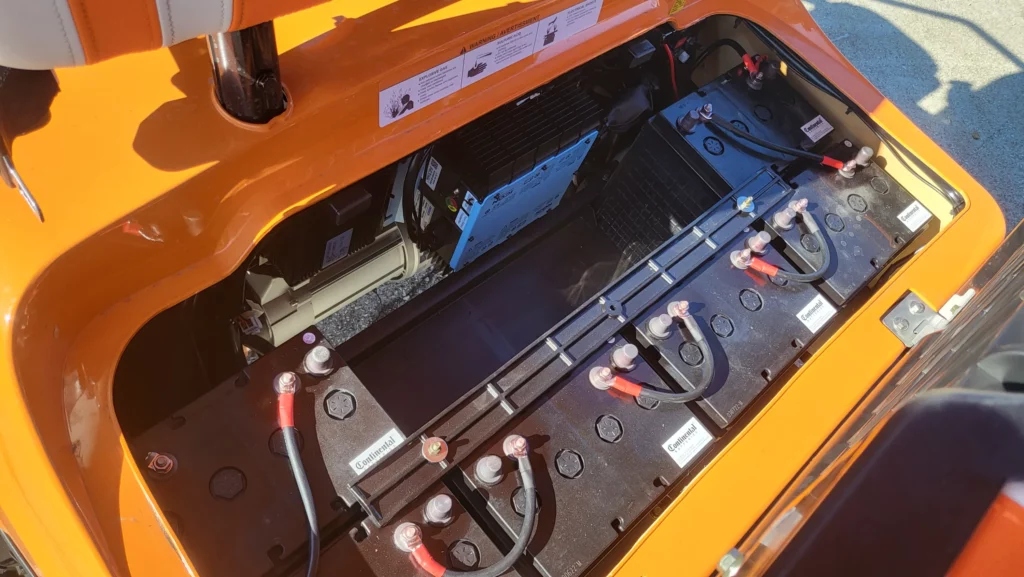
Many golf cart owners ask, “Can you power wash golf cart batteries?” The simple answer is that while it may be physically possible to use a pressure washer around golf cart batteries, it is generally not the safest or best cleaning method. High-pressure water can force moisture into sensitive electrical components, including the controller, solenoid, wiring connections, battery terminals, charger port, switches, and other nearby parts. This can lead to corrosion, short circuits, poor performance, or expensive electrical damage.
Golf cart batteries do need cleaning, especially if they are flooded lead-acid batteries. Dirt, acid residue, and terminal corrosion can reduce electrical efficiency and cause poor charging or weak performance. However, the safest cleaning method is not high-pressure washing. A low-pressure garden hose, baking soda solution, stiff brush, and careful drying are usually much better choices.
If you want to avoid frequent cleaning, watering, corrosion control, and other traditional battery maintenance, upgrading to lithium golf cart batteries may be a smart option. High-quality lithium battery solutions from hydrocell can help reduce maintenance time while offering cleaner operation and long-term reliability.
Is It Okay to Wash Golf Cart Batteries?
Yes, it is okay to wash golf cart batteries when done carefully. In fact, cleaning batteries is an important part of golf cart maintenance, especially for lead-acid systems. Corrosion around terminals can interfere with current flow, reduce charging efficiency, and create resistance. Acid residue and grime can also make the battery compartment messy and harder to inspect.
The important point is how you wash them. A gentle rinse and controlled cleaning are acceptable. A high-pressure washer is not recommended because it can push water into places that should stay dry. Golf cart battery compartments are close to many electrical components, and water intrusion can create problems that are much more expensive than the corrosion you were trying to remove.
Why Power Washing Golf Cart Batteries Is Risky
| Risk | Why It Matters |
|---|---|
| Water Intrusion | High pressure can force water into electrical connectors, wiring, switches, and control components. |
| Controller Damage | The golf cart controller is sensitive and expensive; moisture can cause malfunction or failure. |
| Solenoid Problems | Water around the solenoid may cause corrosion, clicking issues, or starting problems. |
| Terminal Corrosion | Improper washing can leave moisture behind and accelerate future corrosion. |
| Short Circuit Risk | Water and loose debris around battery connections can create dangerous electrical paths. |
Safe Cleaning Method for Golf Cart Batteries
The safest and most effective way to clean golf cart batteries is to use a baking soda solution, a brush, and a low-pressure rinse. This method neutralizes acid residue and removes corrosion without forcing water into sensitive components.
| Step | What to Do |
|---|---|
| Safety First | Wear rubber gloves and safety glasses before working around batteries. |
| Neutralize Corrosion | Mix 1 tablespoon of baking soda into 1 cup of warm water, or use about 1 lb of baking soda per gallon of water for heavier cleaning. |
| Scrub | Use a stiff brush, wire brush, or toothbrush to clean battery tops, terminals, and cable ends. |
| Rinse Gently | Use a low-pressure garden hose to rinse away the baking soda solution and loosened corrosion. |
| Dry Completely | Allow the batteries to dry fully, or use compressed air carefully, before using or charging the cart. |
Step 1: Safety First
Before cleaning golf cart batteries, turn off the cart and remove the key. Set the cart to tow or maintenance mode if your model requires it. Make sure the charger is unplugged and the cart is parked in a well-ventilated area.
Wear rubber gloves and safety glasses. Lead-acid batteries can have acid residue around the caps, terminals, and cables. Even a small amount of acid can irritate skin or eyes. Avoid wearing jewelry, watches, or metal accessories because battery terminals can produce dangerous sparks if accidentally shorted.
Step 2: Inspect Before Cleaning
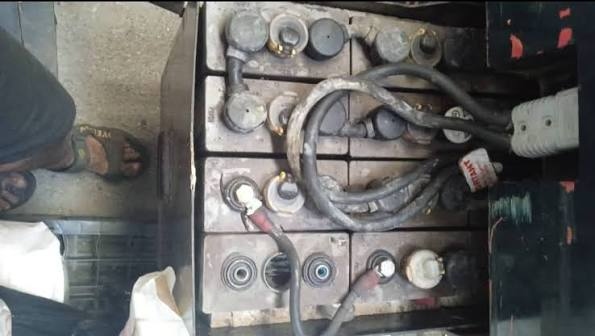
Before applying any liquid, inspect the battery compartment. Look for cracked cases, loose cables, damaged terminals, leaking fluid, swollen batteries, melted wires, or burnt smells. If you see any of these warning signs, do not wash the batteries. Have the cart inspected before using it again.
Also check whether the battery caps are tight. On flooded lead-acid batteries, caps should be secure before cleaning so water and debris do not enter the cells. Do not open the caps while washing the top of the batteries.
Step 3: Neutralize Corrosion with Baking Soda
Baking soda is commonly used because it neutralizes acid residue. For light cleaning, mix 1 tablespoon of baking soda with 1 cup of warm water. For heavier corrosion or larger battery compartments, a stronger mixture such as 1 lb of baking soda in 1 gallon of water may be used.
Pour or apply the solution carefully over the corroded areas and battery tops. You may see fizzing where acid residue is present. This reaction is normal and shows that the baking soda is neutralizing acid. Avoid flooding the compartment or pouring solution directly into electrical components.
Step 4: Scrub the Terminals and Battery Tops
Use a stiff brush, wire brush, or old toothbrush to scrub the terminals, cable ends, and battery tops. Focus on white, blue, or green corrosion deposits around the terminals. Clean contact surfaces help improve power flow and charging efficiency.
If corrosion is severe, cable ends may need to be removed and cleaned separately. If you disconnect cables, take a photo first so you can reconnect them correctly. Battery wiring mistakes can damage the cart. If you are not confident, ask a technician to handle cable removal.
Step 5: Rinse with Low Pressure
After scrubbing, rinse gently with a low-pressure garden hose. The goal is to remove baking soda residue and loosened corrosion without forcing water into electrical parts. Do not aim water directly at the controller, solenoid, charger port, motor, wiring harness, or switches.
A gentle rinse is enough. Avoid using a pressure washer because the high-pressure spray can travel under seals, into connectors, and behind covers. Even if the cart works immediately afterward, trapped moisture can cause corrosion or electrical problems later.
Step 6: Dry Completely
Drying is just as important as cleaning. After rinsing, wipe the battery tops and cables with a clean cloth. Allow the compartment to air dry fully before driving or charging the cart. Compressed air can help remove moisture from around terminals and cable ends, but use it carefully.
Do not reconnect, charge, or operate the cart while the battery area is still wet. Moisture around high-current electrical connections can cause corrosion, resistance, or short-circuit risks.
Should You Add Terminal Protector?
After the batteries are clean and dry, applying a battery terminal protector can help reduce future corrosion. Some owners use anti-corrosion spray or terminal protectant pads. This step is especially helpful for flooded lead-acid battery packs.
Make sure cable connections are tight, but do not overtighten and damage the terminal posts. Loose connections can cause heat, arcing, poor performance, and charger problems.
How Often Should You Clean Golf Cart Batteries?
Cleaning frequency depends on battery type, climate, and use. Flooded lead-acid batteries should be inspected regularly, often monthly during active use. If you see corrosion, acid residue, dirt buildup, or moisture, clean the battery compartment promptly.
Golf carts used in humid, coastal, dusty, or high-use environments may need more frequent cleaning. Carts stored for long periods should be inspected before use, especially if they have lead-acid batteries.
Lead-Acid vs. Lithium Battery Cleaning
Flooded lead-acid batteries require the most maintenance. They need water level checks, terminal cleaning, corrosion control, and careful charging. AGM and gel batteries are sealed and generally cleaner, but terminals and cables still need inspection.
Lithium golf cart batteries are much cleaner and lower maintenance. They do not require watering, and they do not create the same acid residue problems as flooded lead-acid batteries. This is one reason many owners choose to upgrade to lithium. If you want to reduce cleaning and maintenance work, a lithium battery system can save a significant amount of time over the life of the cart.
Why Upgrade to Lithium Golf Cart Batteries?
If you are tired of cleaning corrosion, checking water levels, and dealing with messy lead-acid battery maintenance, lithium batteries are worth considering. Lithium golf cart batteries are lighter, cleaner, faster to charge in many cases, and easier to maintain. They can also provide more consistent power during use.
Hydrocell produces high-quality golf cart lithium batteries designed to meet the needs of users who want reliable performance and reduced maintenance. For golf cart owners who value convenience, upgrading to lithium can reduce the time spent on cleaning and improve the overall ownership experience.
Common Mistakes to Avoid
Do not use a pressure washer directly on the battery compartment. Do not spray water into the controller, solenoid, motor, or charger port. Do not wash batteries while the charger is connected. Do not open battery caps during washing. Do not leave batteries wet after cleaning.
Also avoid using harsh chemicals that are not designed for batteries. Baking soda and water are usually enough for neutralizing acid residue. Strong cleaners may damage labels, cables, seals, or plastic surfaces.
Conclusion
So, can you power wash golf cart batteries? Technically, you can, but it is generally not recommended. High-pressure water can force moisture into sensitive electrical components and cause damage to the controller, solenoid, wiring, connectors, and other systems. The safer method is to use baking soda, a stiff brush, a low-pressure garden hose, and complete drying.
It is okay to wash golf cart batteries when you do it gently and carefully. For flooded lead-acid batteries, regular cleaning helps reduce corrosion and improve reliability. If you want to avoid frequent cleaning and maintenance work, upgrading to lithium golf cart batteries is a practical long-term solution. Hydrocell lithium golf cart batteries can help owners save maintenance time while supporting dependable cart performance.

Add a review
Your email address will not be published. Required fields are marked *