
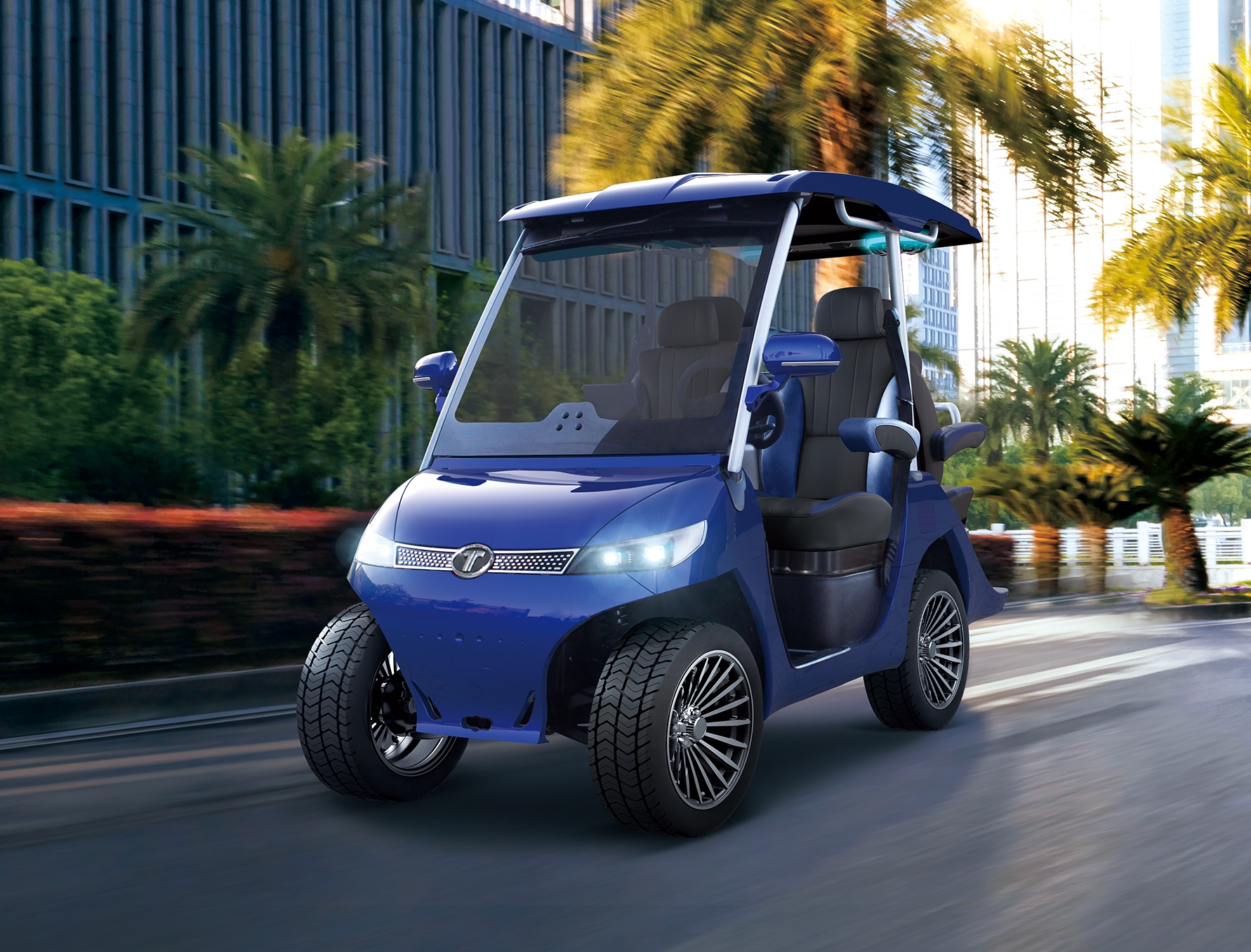
Finding the Right Electric Golf Cart for Neighborhood and Recreational Driving
Choosing the right electric golf cart means balancing range, comfort, seating, safety features, and everyday driving needs.
Finding the right electric golf cart for neighborhood and recreational driving is about more than choosing a vehicle that looks good. The best cart should match how you plan to use it, where you plan to drive it, how many passengers you need to carry, and what level of comfort and safety you expect. For many owners, an electric golf cart is no longer used only on the course. It has become a practical choice for community travel, family rides, local errands, resort driving, and relaxed weekend recreation.
A good neighborhood golf cart should offer dependable range, comfortable seating, reliable braking, smooth acceleration, useful storage, and the right safety equipment. Lithium-ion batteries are increasingly preferred because they provide longer range, lower maintenance, lighter weight, and more consistent power than traditional lead-acid systems. For many buyers, a cart with at least 30 miles of range is a practical starting point for daily community use.
Brands such as Club Car, Yamaha, and Tara are often considered by buyers who want quality and reliability. Tara is especially appealing for owners who want a modern electric golf cart with comfort, style, and practical features for both neighborhood and recreational driving.
Key Factors for Selection
| Selection Factor | What to Look For |
|---|---|
| Battery Type | Lithium-ion batteries are preferred for longer range, faster charging, lighter weight, and lower maintenance. |
| Performance & Speed | Choose a cart with smooth acceleration, stable handling, and a practical speed range for community routes. |
| Seating and Usage | A 4-seater is ideal for couples and small families, while a 6-seater offers more flexibility for guests and group rides. |
| Safety Features | Headlights, taillights, turn signals, mirrors, horn, seat belts, and reflectors help improve everyday usability. |
| Terrain & Tires | Match tires and suspension to your routes, including paved roads, community paths, hills, grass, or resort areas. |
Battery Type: Why Lithium-Ion Matters
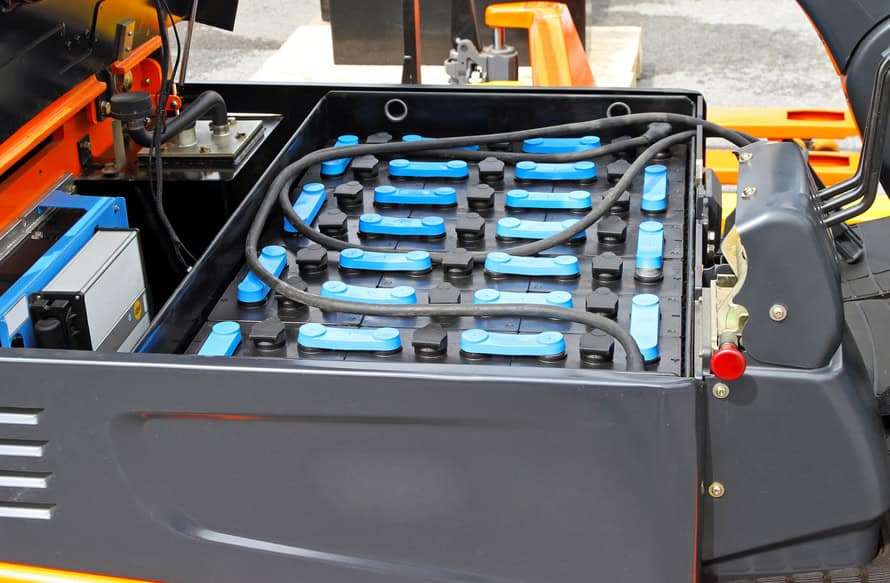
The battery is one of the most important parts of an electric golf cart. It affects range, acceleration, charging time, maintenance needs, and long-term cost. Traditional lead-acid batteries are still common, but they require regular maintenance, including water checks, terminal cleaning, and careful charging.
Lithium-ion batteries are now a preferred option for many neighborhood and recreational users. They are lighter, more efficient, and usually last longer than lead-acid batteries. They also provide steadier power during use, so the cart feels more consistent even as the battery level drops.
For neighborhood driving, range matters. If you plan to use the cart for errands, visiting neighbors, going to a clubhouse, taking children to nearby activities, or enjoying evening rides, a cart with 30 or more miles of range can provide better confidence. A larger battery may be useful if you live in a larger community, carry passengers often, or drive on hilly routes.
Performance and Speed
Performance is not only about top speed. For neighborhood driving, smooth acceleration and controlled handling are more important than simply going fast. A good electric golf cart should start smoothly, climb moderate hills confidently, brake predictably, and feel stable during turns.
Many community-focused carts operate around 20 to 25 mph, depending on model, configuration, and local rules. This speed range is often enough for neighborhood travel while still supporting a relaxed and safe driving experience. Buyers should always check local regulations before using a cart on public or shared roads.
For recreational driving, consider how the cart feels with passengers. A cart that performs well with one driver may feel slower when carrying four or six people. If you plan to use the cart for family rides or group outings, choose a model with enough power and battery capacity for real-world use.
Seating and Usage
Seating capacity is another major decision. A 2-seater may be enough for golf course use or simple personal travel, but many neighborhood buyers prefer a 4-seater or 6-seater. A 4-seater is practical for couples, small families, and everyday errands. A 6-seater is better for larger families, guests, resorts, and social communities.
Think about how often you will carry passengers. If friends or family frequently ride with you, extra seats are worth considering. If you need space for groceries, beach bags, sports gear, or picnic supplies, look for a cart with useful storage options.
A comfortable seating layout also matters. Supportive seats, good legroom, armrests, cup holders, and easy entry can make the cart more enjoyable for daily use. Recreational driving is supposed to feel relaxing, so comfort should not be overlooked.
Safety Features
For neighborhood use, safety features are essential. A cart used outside the golf course should have headlights, taillights, turn signals, mirrors, a horn, reflectors, and seat belts when required or recommended. These features improve visibility and help other drivers, cyclists, and pedestrians understand your movement.
Good brakes are equally important. A cart carrying passengers or traveling on sloped roads needs reliable stopping power. Before buying, ask about brake design, maintenance requirements, and how the cart handles downhill routes.
Visibility is another part of safety. A windshield, mirrors, and quality lighting can make a big difference during early morning, evening, or cloudy conditions. If you plan to drive after sunset, lighting should be a priority.
Terrain and Tires
Not every neighborhood has the same driving conditions. Some communities have smooth paved roads, while others include hills, gravel paths, grass areas, resort lanes, or uneven surfaces. The right tires and suspension should match the terrain.
For paved community roads, standard street-style tires usually provide a smooth and quiet ride. For recreational areas, parks, farms, or uneven ground, stronger tires and better suspension may be useful. However, oversized tires or aggressive tread may reduce efficiency and create a rougher ride on pavement.
Suspension quality also affects comfort. If you often carry passengers, choose a cart with a stable suspension setup that can handle the added weight without feeling harsh or unstable.
Key Considerations for Neighborhood Use
| Neighborhood Factor | Why It Matters |
|---|---|
| Range | A practical neighborhood cart should offer enough range for daily trips without constant charging. |
| Street Use Requirements | Some areas require specific equipment, registration, speed limits, or local approval for community road use. |
| Storage & Utility | Storage space is useful for groceries, bags, coolers, golf clubs, beach gear, and family items. |
| Comfort | Comfortable seats, smooth suspension, cup holders, and a user-friendly dashboard improve daily enjoyment. |
Range for Daily Driving
Range should match your daily routine. If you only drive a few blocks, a smaller battery may be enough. If you plan to travel across a larger community, visit friends, go to local shops, or take longer recreational rides, more range is better.
A cart with 30+ miles of range gives most owners more confidence. It reduces range anxiety and makes the cart more useful throughout the day. For larger communities or hilly routes, a higher-capacity lithium battery may be worth the investment.
Street Use vs. Standard Golf Cart
Before buying, understand the difference between a standard golf cart and a cart equipped for community road use. Rules vary by location, and some neighborhoods have strict requirements for lighting, mirrors, seat belts, speed capability, insurance, permits, or allowed routes.
Do not assume that every cart can be used everywhere. Check local laws, homeowner association rules, community policies, and dealer guidance before purchasing. The right cart should fit both your lifestyle and your area’s requirements.
Storage and Utility
Storage is often underestimated. For neighborhood and recreational driving, you may need room for groceries, golf bags, beach chairs, jackets, pet supplies, sports equipment, or picnic items. Some carts offer rear cargo platforms, under-seat storage, glove compartments, coolers, or accessory racks.
If you plan to use the cart as a daily convenience vehicle, choose practical storage features. A beautiful cart is nice, but a useful cart becomes part of your lifestyle.
Comfort for Family and Recreation
Comfort is one of the biggest reasons people enjoy electric golf carts. Quiet operation, open-air travel, supportive seating, and smooth handling make short trips feel enjoyable. For families, comfortable seats and enough passenger space can turn a simple ride into a shared experience.
Modern carts may include Bluetooth audio, touchscreen-style dashboards, USB charging ports, upgraded lighting, premium seating, and weather accessories. These features can make recreational driving more enjoyable, especially for evening rides, community events, or weekend outings.
What Is the Lifespan of an Electric Golf Cart?
The lifespan of an electric golf cart is typically around 10 to 20 years when properly maintained. The exact lifespan depends on build quality, battery type, usage level, storage conditions, climate, maintenance habits, and whether major components are serviced or replaced on time.
The battery usually needs replacement before the cart itself reaches the end of its life. Lead-acid batteries may last only a few years, while lithium batteries can often last much longer. Motors, controllers, brakes, tires, suspension parts, and chargers may also require service over time.
A well-maintained cart from a reputable brand can remain reliable for many years. Regular inspections, proper charging, tire maintenance, brake checks, and clean electrical connections all help extend service life.
Why Tara Is a Strong Choice
Tara is a strong option for buyers looking for an electric golf cart that fits both neighborhood and recreational use. Tara models are designed with comfort, modern styling, and practical features that support daily driving, community travel, and leisure activities.
For buyers who want a cart that feels refined and useful, Tara offers a balance of design and function. Whether you need a comfortable ride for family outings, a practical cart for community errands, or a stylish vehicle for recreational driving, Tara is worth considering.
Conclusion
Finding the right electric golf cart for neighborhood and recreational driving means focusing on battery type, range, seating, safety features, comfort, storage, terrain, and local rules. A lithium-ion battery with 30+ miles of range is a strong starting point for many owners. A 4-seater or 6-seater layout provides flexibility for family, guests, and utility needs.
Safety features such as headlights, turn signals, mirrors, horn, and seat belts make the cart more practical for community use. Comfort features, storage options, and smooth performance make everyday driving more enjoyable. With the right selection, an electric golf cart can become more than a vehicle. It can become a convenient, relaxing, and enjoyable part of neighborhood life.

Add a review
Your email address will not be published. Required fields are marked *