What Should You Know Before Driving a Golf Cart in Florida?
Before driving a golf cart in Florida, know the age rules, ID requirements, local road limits, and safety equipment laws.


Before driving a golf cart in Florida, know the age rules, ID requirements, local road limits, and safety equipment laws.
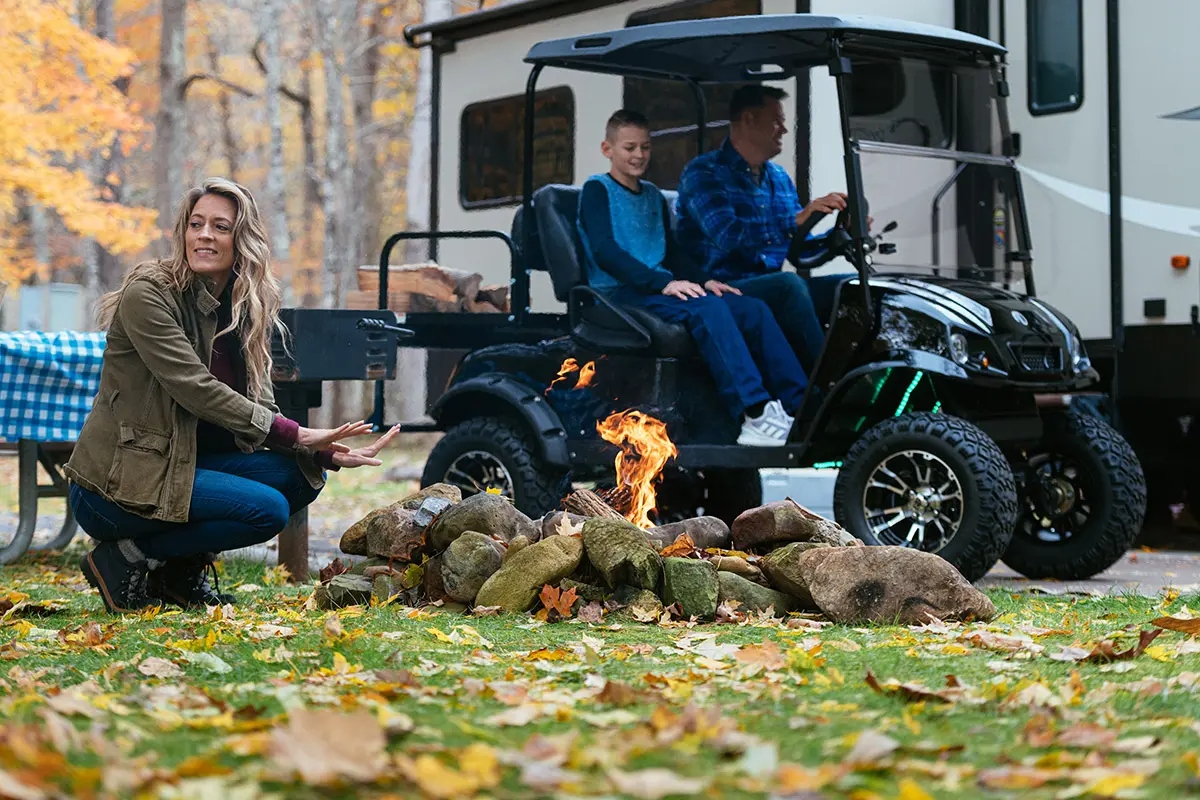
When choosing a golf cart, one important question is: which wheel drive is the best one for golf carts? For most traditional golf course use, neighborhood cruising, resort transportation, and paved-path driving, rear-wheel drive, also called RWD, is usually the best choice. It offers good balance, strong maneuverability, simple maintenance, and cost-effective performance.
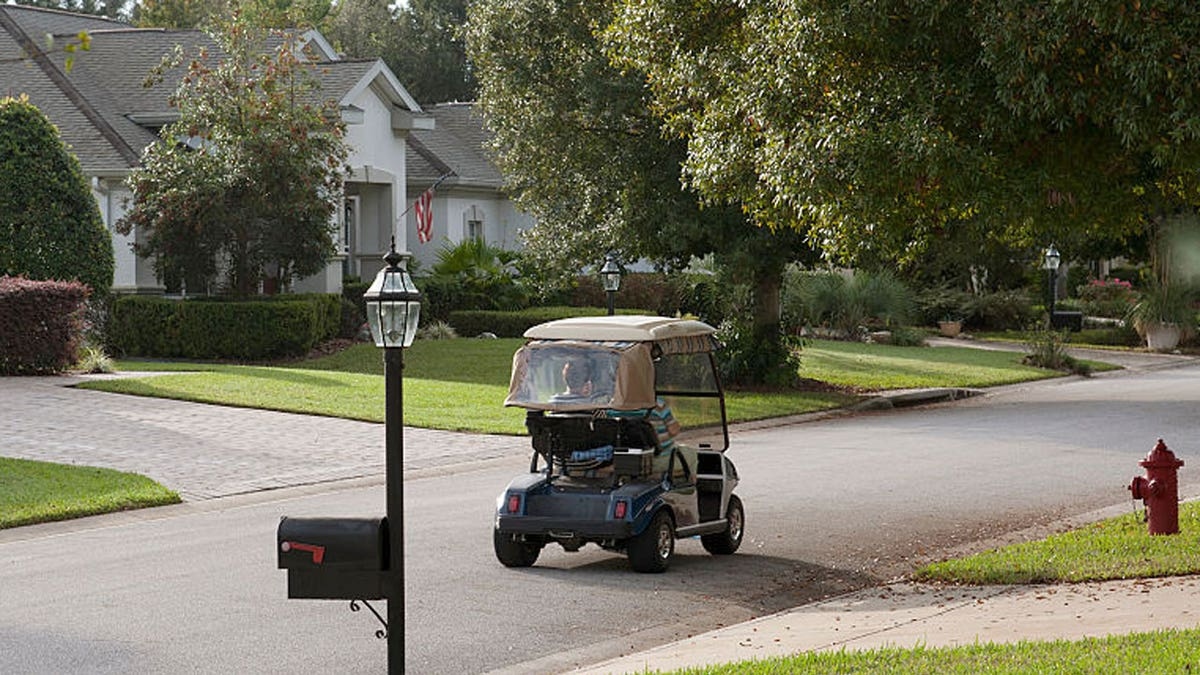
Across the United States, golf carts have grown far beyond their original role on the fairway. They are now part of everyday life in retirement communities, master-planned neighborhoods, beach towns, resorts, campuses, and private properties.
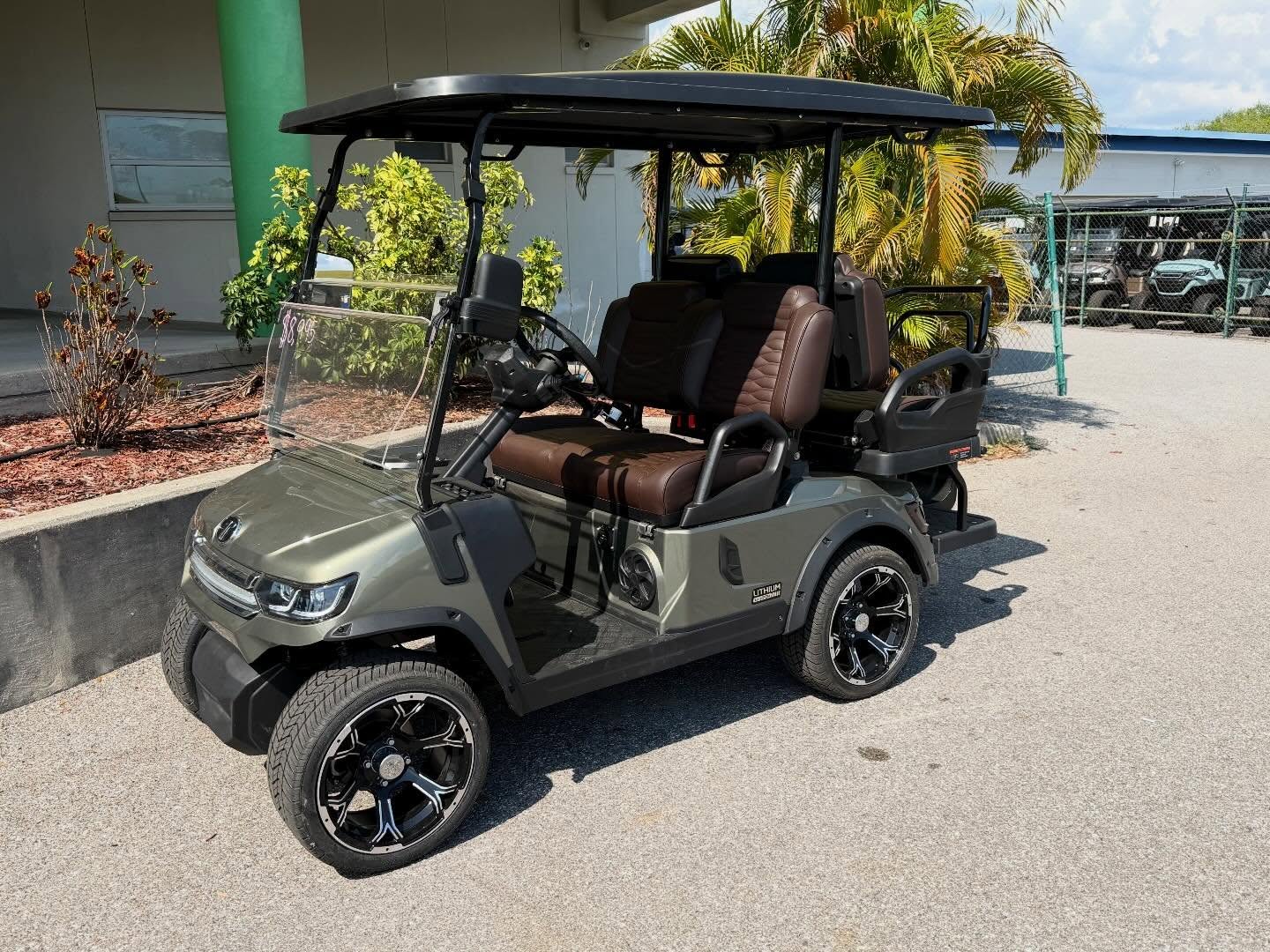
Fast golf carts are popular for neighborhood cruising, campuses, resorts, and private communities where speed and comfort matter.

A telehandler can lift an empty or lightly loaded container, but the lift must match the machine’s rated capacity and load chart.
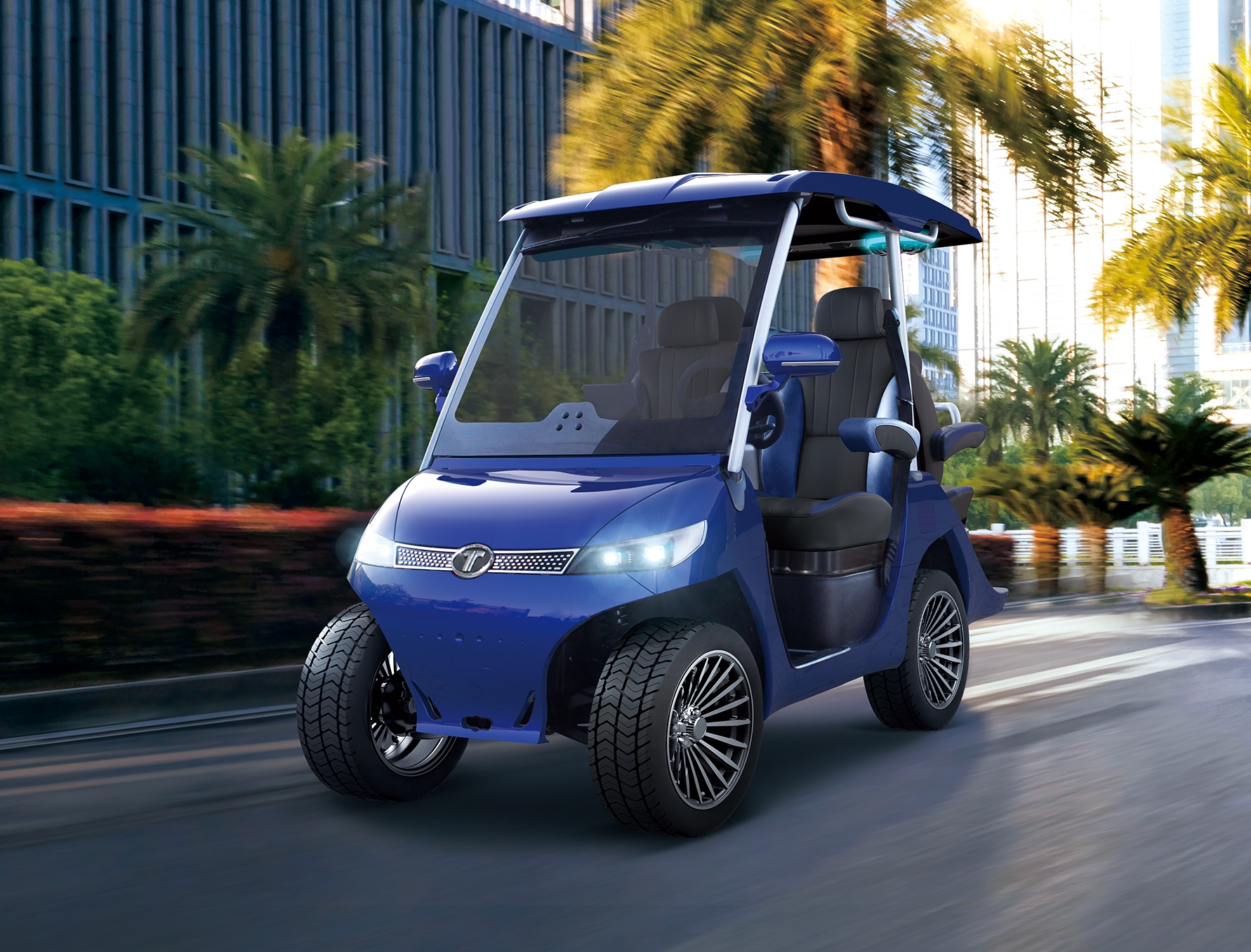
Choosing the right electric golf cart means balancing range, comfort, seating, safety features, and everyday driving needs.

The modern golf cart business is evolving fast as electric mobility, customization, and neighborhood transportation reshape the market.
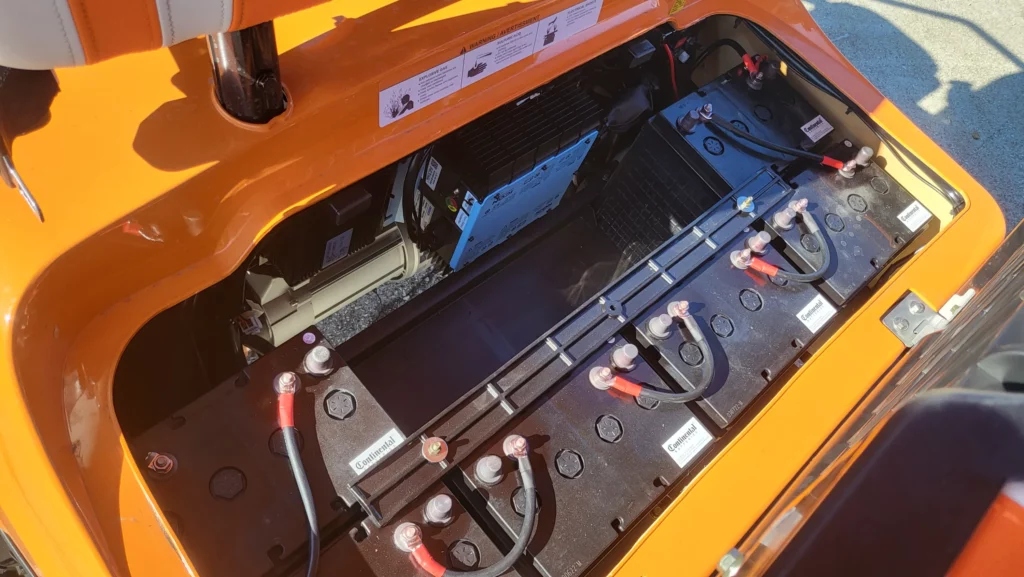
Power washing golf cart batteries is possible, but it is not recommended because high pressure can damage electrical parts.
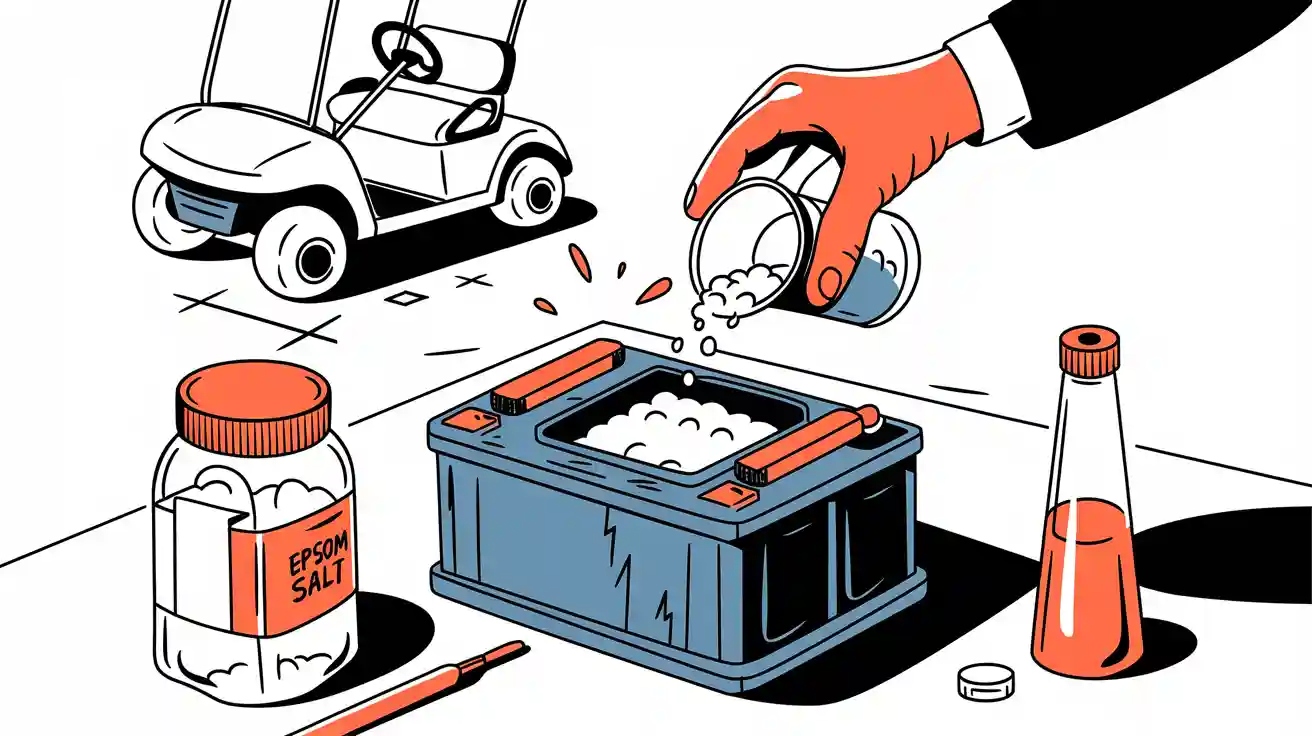
Golf cart battery repair liquid may slightly help mild lead-acid sulfation, but it cannot permanently fix old or damaged batteries.

A golf cart with 6 batteries is usually either 36 volts or 48 volts, depending on whether each battery is 6V or 8V.