
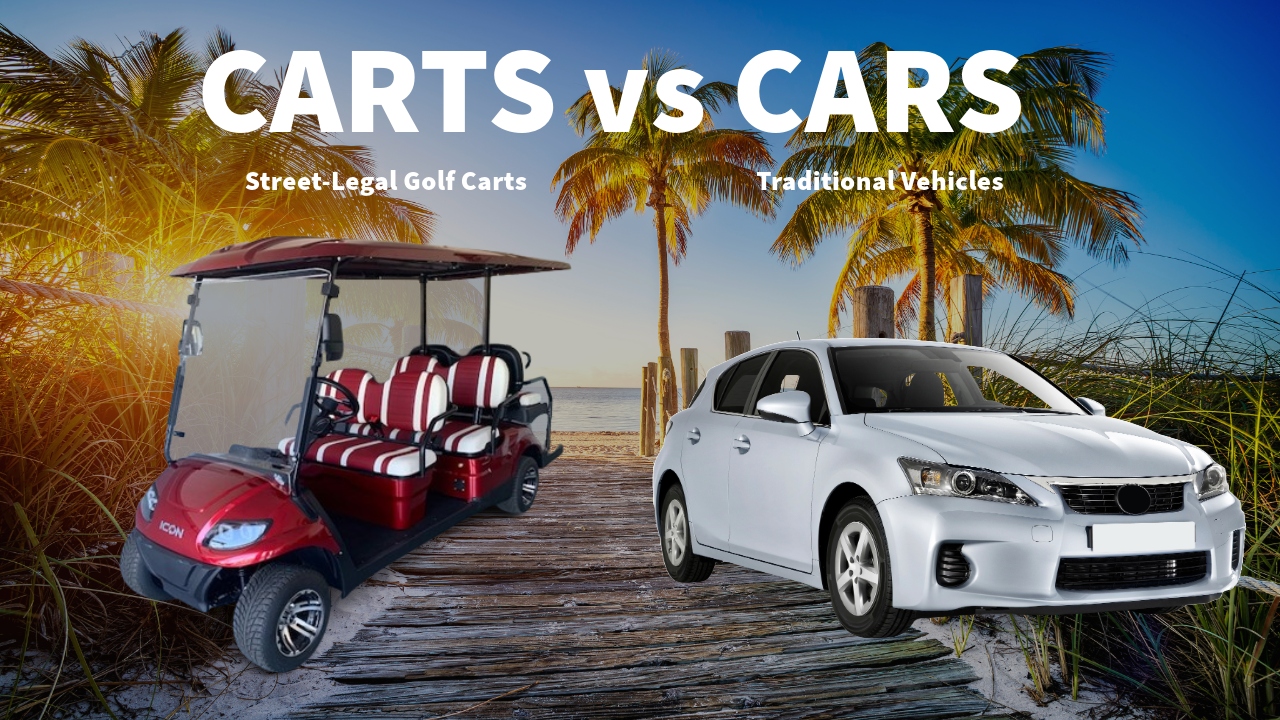
What Are the Engineering Differences Between a Car and a Golf Cart?
Cars and golf carts may both move people, but their engineering goals, safety systems, speed, and structure are very different.
At first glance, a car and a golf cart may seem similar because both have wheels, seats, steering, brakes, and a power source. However, from an engineering perspective, they are built for completely different purposes. A car is designed for high-speed travel, long-distance transportation, public road use, crash protection, and operation in many weather and traffic conditions. A golf cart is designed for low-speed mobility, short trips, simple operation, and easy maneuverability in controlled environments such as golf courses, resorts, communities, campuses, and private properties.
The difference is not only size. Cars and golf carts use different engineering priorities. Cars must handle highway speeds, sudden braking, crash forces, long range, advanced electronics, emissions or battery management, comfort systems, and strict safety regulations. Golf carts focus more on lightweight construction, low-speed stability, easy maintenance, compact turning, energy efficiency, and practical movement over short distances.
Understanding these differences helps buyers choose the right vehicle for the right use. A car is built for full transportation demands, while a golf cart is built for convenient local travel and controlled-route mobility.
Core Engineering Differences Between Cars and Golf Carts
| Engineering Category | Car | Golf Cart |
|---|---|---|
| Drivetrain and Transmission | Built for wide speed ranges, long-distance driving, and strong acceleration. | Designed for low-speed movement, simple operation, and short-distance travel. |
| Safety and Crash Architecture | Includes airbags, crumple zones, reinforced cabin structures, and advanced restraint systems. | Usually uses simpler safety structures focused on low-speed environments. |
| Suspension and Handling | Engineered for high-speed stability, cornering, braking, and road comfort. | Designed for low-speed comfort, maneuverability, and light-duty terrain. |
| Electrical Systems | Complex electronics for lighting, infotainment, sensors, safety, climate, and engine or EV control. | Simpler electrical systems focused on propulsion, lights, charging, accessories, and battery management. |
| Braking Systems | Powerful hydraulic or electronic braking systems designed for high-speed stopping. | Lower-speed braking systems designed for shorter, controlled routes. |
| Aerodynamics and Weight | Designed to reduce drag and improve efficiency at higher speeds. | Lightweight and compact, with less focus on aerodynamic performance. |
1. Drivetrain and Transmission
Cars are engineered to operate across a wide range of speeds, from slow city traffic to highway travel. Gasoline cars use complex engines, transmissions, cooling systems, fuel systems, exhaust systems, and drivetrain components. Electric cars use high-voltage battery packs, advanced inverters, powerful motors, thermal management systems, and sophisticated software controls.
Golf carts are much simpler. Most modern golf carts use electric motors and battery packs designed for short trips and low-speed movement. Instead of a complex multi-speed transmission, many electric golf carts use direct-drive or simple gear reduction systems. This makes them easier to operate and maintain.
A car’s drivetrain is built for acceleration, hill climbing, long range, and high-speed endurance. A golf cart drivetrain is built for smooth starts, controlled speed, quiet operation, and efficient travel over shorter routes.
2. Safety and Crash Architecture
One of the biggest engineering differences is crash protection. Cars are designed around crash survivability. They include crumple zones that absorb impact energy, reinforced passenger cabins, airbags, seatbelts, side-impact protection, bumpers, advanced braking assistance, stability control, and many other safety systems.
Golf carts are not engineered like passenger cars. Traditional golf carts are open vehicles with lighter frames and fewer protective structures. They are designed for lower-speed use in controlled environments, not for high-speed crashes. Some modern golf carts include seatbelts, mirrors, lights, stronger frames, and improved braking, but the overall safety architecture is still much simpler than a car’s.
This is why golf carts should be driven responsibly. Sharp turns, steep slopes, overloaded seating, distracted driving, and unsafe traffic mixing can increase accident risk.
3. Suspension and Handling
Cars need suspension systems that can handle highway speeds, potholes, cornering forces, braking loads, and different road surfaces. Engineers tune springs, shocks, stabilizer bars, steering geometry, and tires to balance comfort, stability, and control.
Golf carts are built for lower-speed handling. Their suspension systems are usually simpler and designed for comfort on cart paths, paved community roads, grass, or light uneven surfaces. They do not need the same high-speed stability as cars, but they do need good low-speed maneuverability.
A golf cart often has a tight turning radius, which is useful on golf courses, campuses, resorts, and neighborhoods. However, because many carts are narrow and lightweight, drivers should slow down before turns to reduce rollover risk.
4. Electrical Systems
Cars have complex electrical architectures. A modern car may include hundreds of sensors, multiple electronic control units, advanced driver assistance systems, infotainment, climate control, power windows, lighting modules, cameras, radar, battery monitoring, and onboard diagnostics.
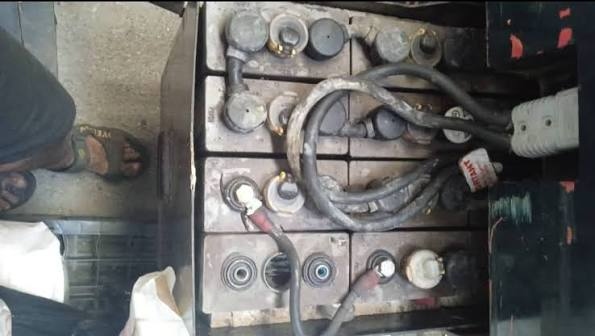
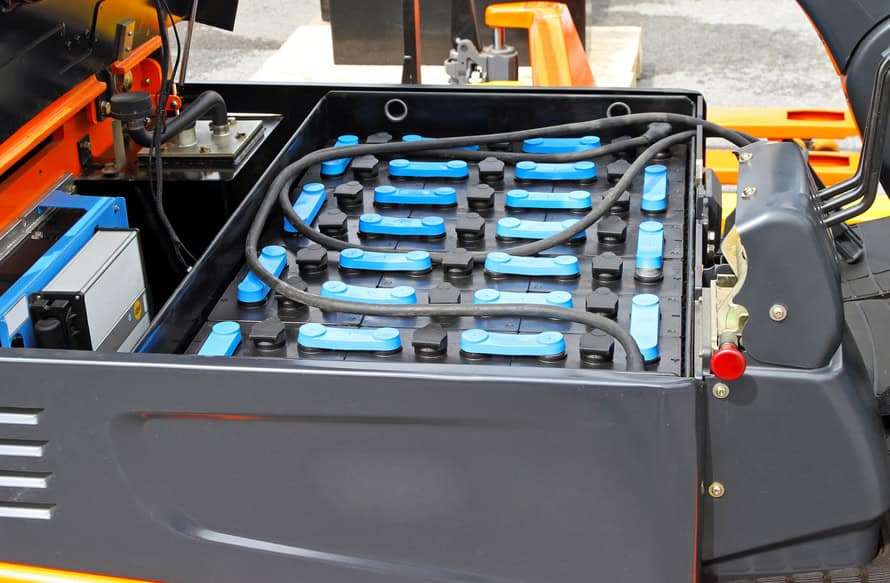
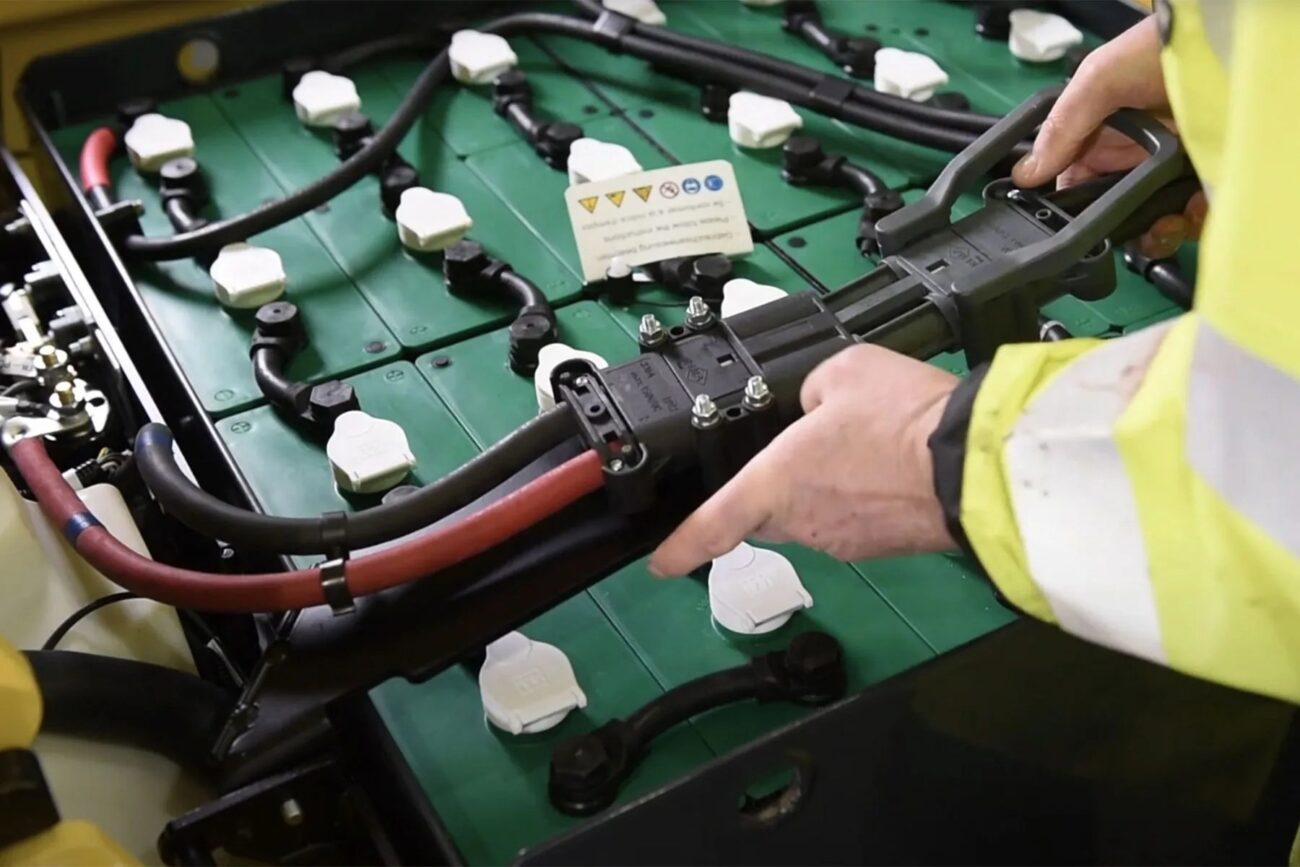
Golf carts use simpler electrical systems. An electric golf cart typically includes a battery pack, controller, motor, charger port, wiring harness, lights, horn, dashboard display, and optional accessories. Some premium carts may include Bluetooth audio, digital displays, GPS, USB ports, and smart battery systems, but the electrical complexity is still much lower than in a car.
This simplicity is one reason golf carts can be easier to maintain and more affordable for short-distance use.
5. Braking Systems
Car braking systems are designed for much higher speeds and heavier vehicle weight. They must stop safely from highway speeds, handle emergency braking, manage heat, and work with anti-lock braking systems and stability control.
Golf cart brakes are designed for low-speed operation. Many carts use mechanical drum brakes, hydraulic brakes, or regenerative braking in electric models. These systems are effective for normal cart speeds, but they are not built for the same momentum and heat levels as car brakes.
This is why modifying a golf cart for higher speed without upgrading brakes and suspension can be dangerous. Braking capability must match vehicle speed and weight.
6. Aerodynamics and Weight
Cars are shaped with aerodynamics in mind. At higher speeds, air resistance strongly affects fuel economy, range, noise, and stability. Car bodies are tested and refined to reduce drag and improve efficiency.
Golf carts usually travel at much lower speeds, so aerodynamics are less important. Their bodies are often more open and upright. The main engineering focus is lightweight structure, easy entry and exit, seating comfort, storage, and maneuverability.
Weight is also very different. Cars are heavier because they need stronger frames, crash structures, larger batteries or engines, safety systems, insulation, and comfort features. Golf carts are much lighter, which helps efficiency and makes them easier to use in short-distance environments.
Is It Harder to Drive a Car or a Golf Cart?
A golf cart is generally easier to operate than a car because it is slower, smaller, and has simpler controls. Most golf carts use basic pedals, simple steering, and straightforward forward/reverse operation. This makes them easy to learn in controlled environments.
However, a car requires more skill because it travels faster, operates in more complex traffic, uses higher-speed roadways, and requires greater awareness of signs, lanes, blind spots, braking distance, and other vehicles. Driving a car safely takes more training and judgment.
That does not mean golf carts should be treated casually. A golf cart can still tip over, collide with objects, eject passengers, or injure pedestrians. Safe driving habits still matter.
Conclusion
Cars and golf carts are both motorized vehicles, but they are engineered for very different worlds. Cars are built for speed, range, crash protection, complex traffic, and long-distance travel. Golf carts are built for low-speed utility, short-distance convenience, quiet movement, and maneuverability in controlled environments.
The major differences include drivetrain design, crash architecture, suspension, electrical systems, braking, aerodynamics, and vehicle weight. A golf cart is easier to operate, but a car is engineered for far more demanding driving conditions. Choosing between them depends on where, how, and why you need to travel.
Add a review
Your email address will not be published. Required fields are marked *