
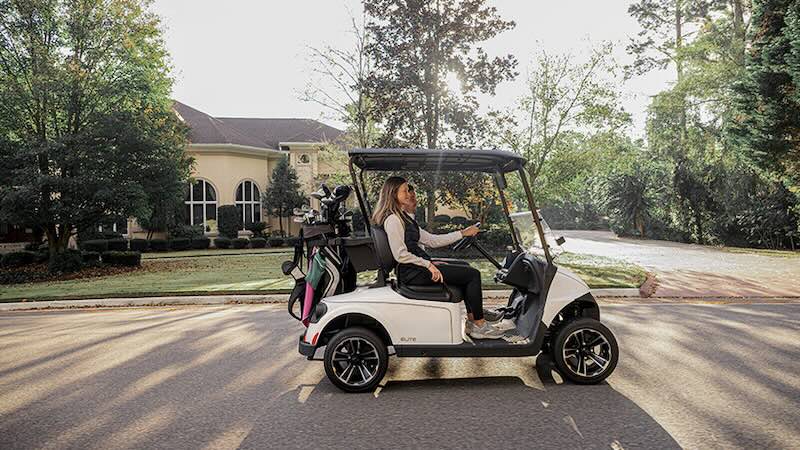
What Are the Consequences of Leaving a Golf Cart Battery Discharged?
A discharged golf cart battery can suffer permanent damage, reduced range, weak power, and a much shorter service life.
Leaving a golf cart battery discharged is one of the fastest ways to reduce battery performance and shorten its lifespan. This is especially true for lead-acid batteries, which are still common in many older and standard golf carts. When a lead-acid battery remains in a low-charge state, lead sulfate crystals form on the battery plates. If the battery is charged quickly after use, this process can often be reversed. However, when the battery stays discharged for too long, those crystals harden and become permanent. This condition is called sulfation, and it can permanently destroy battery capacity.
For owners of a Tara golf cart or any other electric golf cart, proper battery care is essential. Batteries are among the most expensive components of the vehicle, and poor charging habits can lead to sluggish acceleration, shorter driving range, charging problems, and costly replacement. Whether your cart uses lead-acid batteries or lithium batteries, allowing the battery to sit discharged for long periods is never a good habit.
Why a Discharged Golf Cart Battery Is a Serious Problem
A golf cart battery is designed to store and release electrical energy. After the cart is used, the battery’s state of charge decreases. This is normal. The problem begins when the battery is left in that discharged condition instead of being recharged. Over time, chemical changes inside the battery become harder to reverse.
Lead-acid batteries are the most vulnerable. When discharged, lead sulfate naturally forms inside the battery. During proper charging, the sulfate is converted back into active battery material. But if the battery remains discharged, the sulfate crystals grow harder and larger. Once this happens, the battery cannot hold the same amount of energy as before.
Lithium batteries are more resistant to this type of damage, but they can still be harmed if left at an extremely low charge for too long. A lithium battery management system may shut the battery down to prevent deeper discharge, but extended neglect can still lead to problems.
Immediate and Long-Term Consequences
1. Permanent Sulfation
Permanent sulfation is the most common and damaging result of leaving a lead-acid golf cart battery discharged. Sulfation blocks the battery plates from properly accepting and storing energy. As the buildup becomes worse, the battery loses capacity and becomes harder to recharge.
At first, the symptoms may be mild. The cart may still run, but not as long as it used to. Over time, charging may take longer, the battery may heat up more, and performance may become inconsistent. Eventually, the battery may no longer be usable, even if it is connected to a charger.
2. Reduced Range and Power
A discharged battery that has suffered internal damage will usually provide less range. Instead of completing a full round of golf, neighborhood trip, resort route, or work shift, the cart may slow down much sooner than expected.
Power output also suffers. The cart may feel sluggish when accelerating, climbing hills, or carrying passengers. Lights and accessories may dim or behave inconsistently. If the battery pack cannot provide stable voltage, the entire driving experience becomes less reliable.
3. Dead Cells and Short Circuits
Leaving a battery discharged for too long can also contribute to dead cells. A battery cell is one section of the battery pack that stores energy. If one or more cells fail, the entire pack can become unbalanced. This can prevent the cart from reaching full voltage and may cause the charger to stop working properly.
In severe cases, internal short circuits may occur. A shorted battery can overheat, fail suddenly, or create safety concerns. Once a battery develops dead cells or internal shorts, replacement is usually the only practical solution.
4. Freezing Risk
Discharged lead-acid batteries are more likely to freeze in cold weather. A fully charged lead-acid battery has a lower freezing point because the electrolyte is stronger. When the battery is discharged, the electrolyte becomes more water-like, making it easier to freeze.
If a battery freezes, the internal plates and case can be damaged. A frozen battery may crack, leak, or fail completely. This is why winter storage maintenance is especially important for golf carts kept in garages, sheds, barns, or outdoor storage areas.
5. Damaged Electronics
A weak or deeply discharged battery can also affect the cart’s electronics. Controllers, chargers, displays, lights, solenoids, and onboard accessories depend on stable voltage. When voltage drops too low, the system may behave unpredictably.
Some chargers may not recognize a deeply discharged battery pack. In that case, the charger may not start, even though the batteries need charging. This can create confusion for owners who assume the charger is broken when the real issue is a battery pack that has fallen below the charger’s detection threshold.
How to Prevent Battery Damage
1. Charge After Use
The simplest way to protect a golf cart battery is to charge it after use. You do not need to wait until the battery is completely drained. In fact, deep discharging can shorten battery life, especially with lead-acid batteries. Charging after each use keeps the battery healthier and helps prevent sulfation.
2. Long-Term Storage Maintenance
If you plan to store your golf cart for several weeks or months, charge the battery before storage. For lead-acid batteries, check the charge level regularly and recharge as needed. For lithium batteries, follow the manufacturer’s recommended storage charge level. Many lithium batteries should be stored partially charged rather than completely full or empty.
3. Monitor Fluid Levels
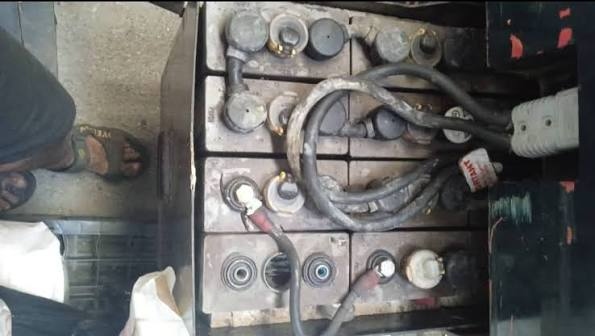
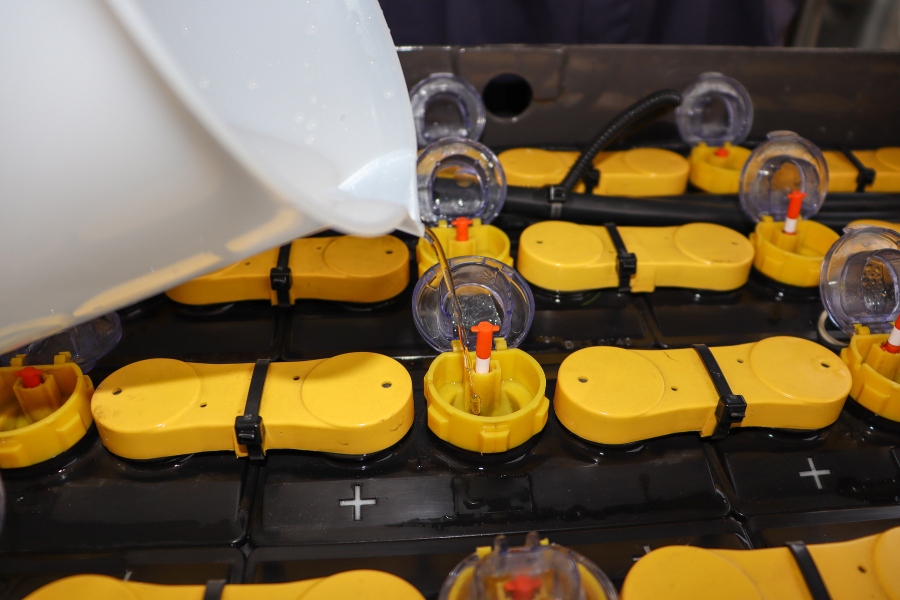
If your cart uses flooded lead-acid batteries, monitor water levels regularly. Low fluid levels can expose battery plates and cause permanent damage. Use only distilled water, and follow the battery manufacturer’s instructions. Keep terminals clean and free from corrosion to maintain good electrical flow.
How Long Can a Lithium Battery Sit Unused?
A lithium golf cart battery can usually sit unused longer than a lead-acid battery because it has a lower self-discharge rate. In many cases, a healthy lithium battery can remain unused for several months if it is stored correctly. However, it should not be stored fully discharged. The safest approach is to store it at the charge level recommended by the manufacturer, often around a partial state of charge.
Before long-term storage, turn off the cart if possible, disconnect unnecessary accessories, and keep the battery in a cool, dry location. Check the charge periodically. Even lithium batteries can slowly lose charge over time, and allowing them to drop too low may trigger protection mode or cause damage.
Conclusion
Leaving a golf cart battery discharged can cause serious and expensive problems. For lead-acid batteries, permanent sulfation is the biggest risk, leading to reduced capacity, weak performance, dead cells, and early replacement. In cold weather, a discharged battery may even freeze and become unusable. Lithium batteries are more durable, but they should still never be left empty for long periods.
The best way to protect your investment is to charge after use, maintain proper storage habits, inspect battery condition, and follow the manufacturer’s guidelines. With consistent care, your golf cart battery can deliver better range, stronger performance, and a longer service life.
Add a review
Your email address will not be published. Required fields are marked *