
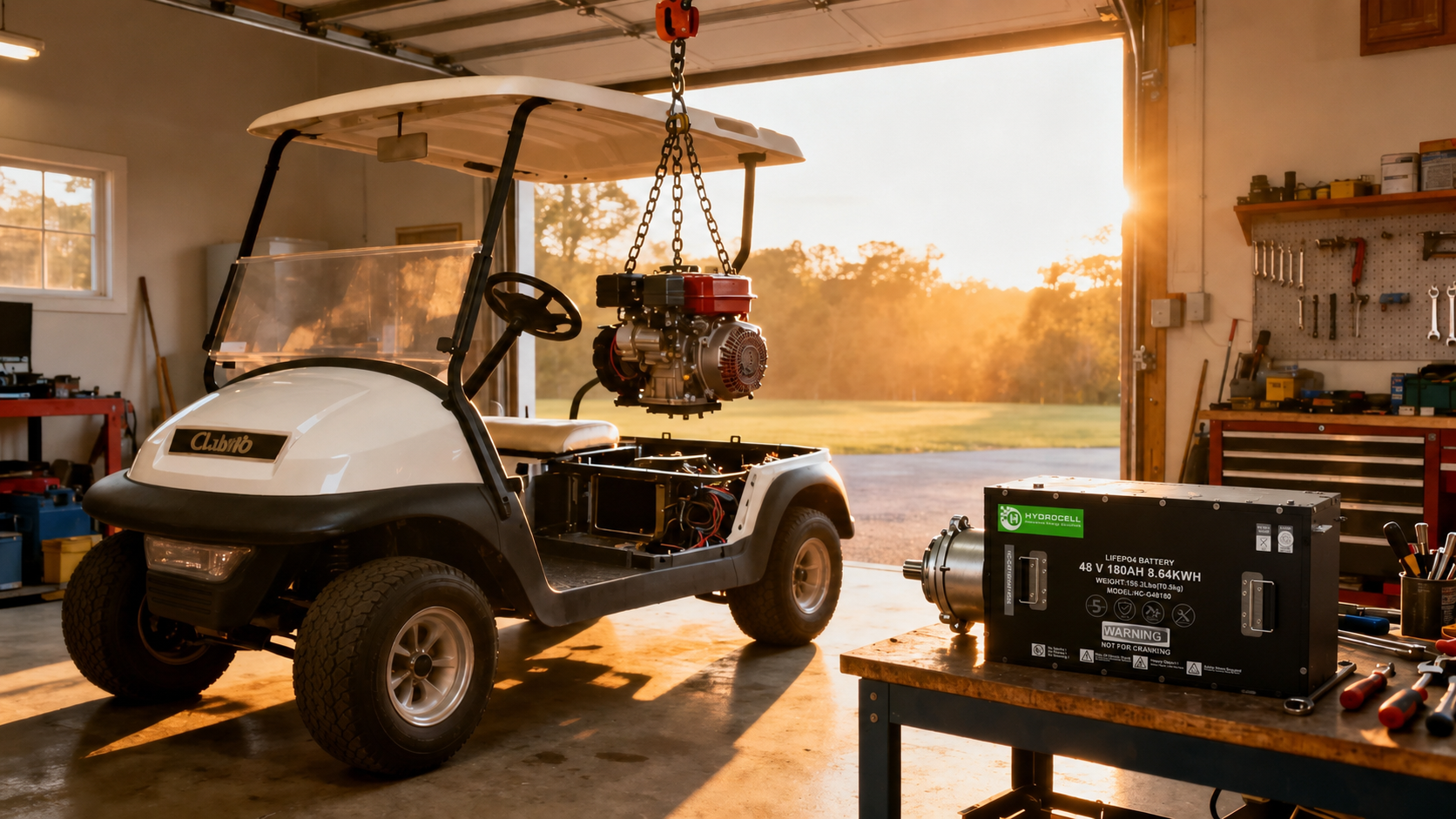
How Much Would It Cost to Convert an Old Gas Golf Cart Into an All-Electric One?
Converting a gas golf cart to electric usually costs $3,000 to $6,000+ in parts, depending on batteries, motor, axle, and labor.
Converting an old gas golf cart into an all-electric one can be a rewarding project, but it is not a simple battery swap. A gas-powered cart and an electric cart use completely different drivetrain systems. A gas cart relies on a combustion engine, fuel system, CVT transmission, exhaust, and a gas-specific rear axle. An electric cart uses a battery pack, electric motor, motor controller, heavy-duty wiring, solenoid, charger port, and an electric-compatible axle.
Because of these major differences, the typical cost to convert a gas golf cart to electric is usually between $3,000 and $6,000 or more for parts alone. If you hire a professional mechanic or golf cart shop, labor can add another $1,000 to $2,500, depending on the complexity of the conversion. In some cases, a high-performance conversion can cost even more than buying a used electric cart.
Why Gas-to-Electric Conversion Costs So Much
The main reason this project is expensive is that you are not simply replacing one power source with another. You are rebuilding the entire drive system. A gas engine cannot be connected directly to a lithium battery pack, and an electric motor usually cannot be installed without the correct mounts, axle, controller, wiring, and safety components.
Many old gas carts also require custom fabrication. Mounting brackets may need to be built or modified. The pedal system may need to be changed. The old fuel system, exhaust, engine, starter generator, and gas controls must be removed. Then the electric components must be installed, wired, tested, and tuned. This makes the project both mechanical and electrical.
Cost Breakdown for Converting a Gas Golf Cart to Electric
The exact cost depends on the cart model, desired speed, range, battery type, and whether you use new, used, budget, or premium parts. Below is a realistic breakdown of the major systems required for a full conversion.
1. Motor and Controller: $1,000 – $2,500
The electric motor and controller are two of the most important parts of the conversion. The motor turns electrical energy into mechanical rotation, while the controller manages how much power flows from the battery pack to the motor. Together, they determine acceleration, hill-climbing ability, top speed, and overall drivability.
Gas golf carts usually do not have the correct mounting flanges or drivetrain layout for an electric motor. This means you will need a motor and controller system designed for electric cart use. A basic setup may cost around $1,000, while a higher-performance AC motor and controller package can cost $2,500 or more. If you want more torque, faster acceleration, or better hill performance, expect to pay more.
2. Battery Pack: $1,000 – $3,000
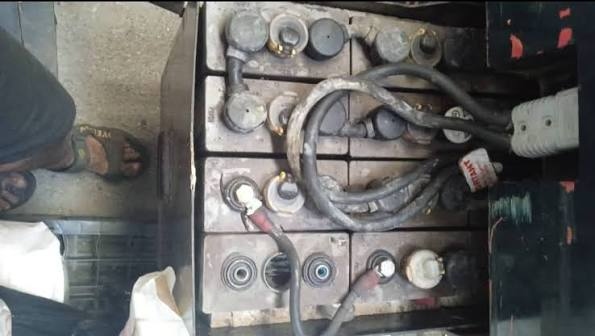
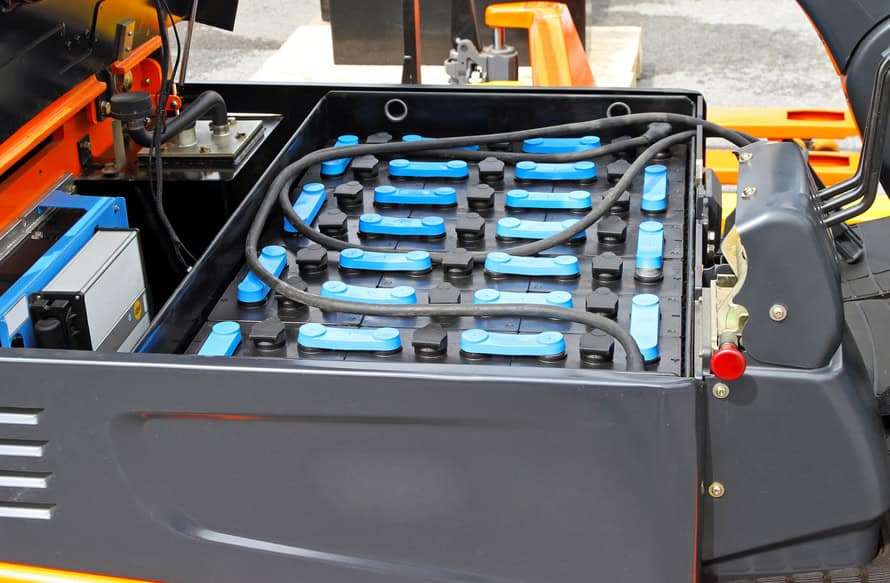
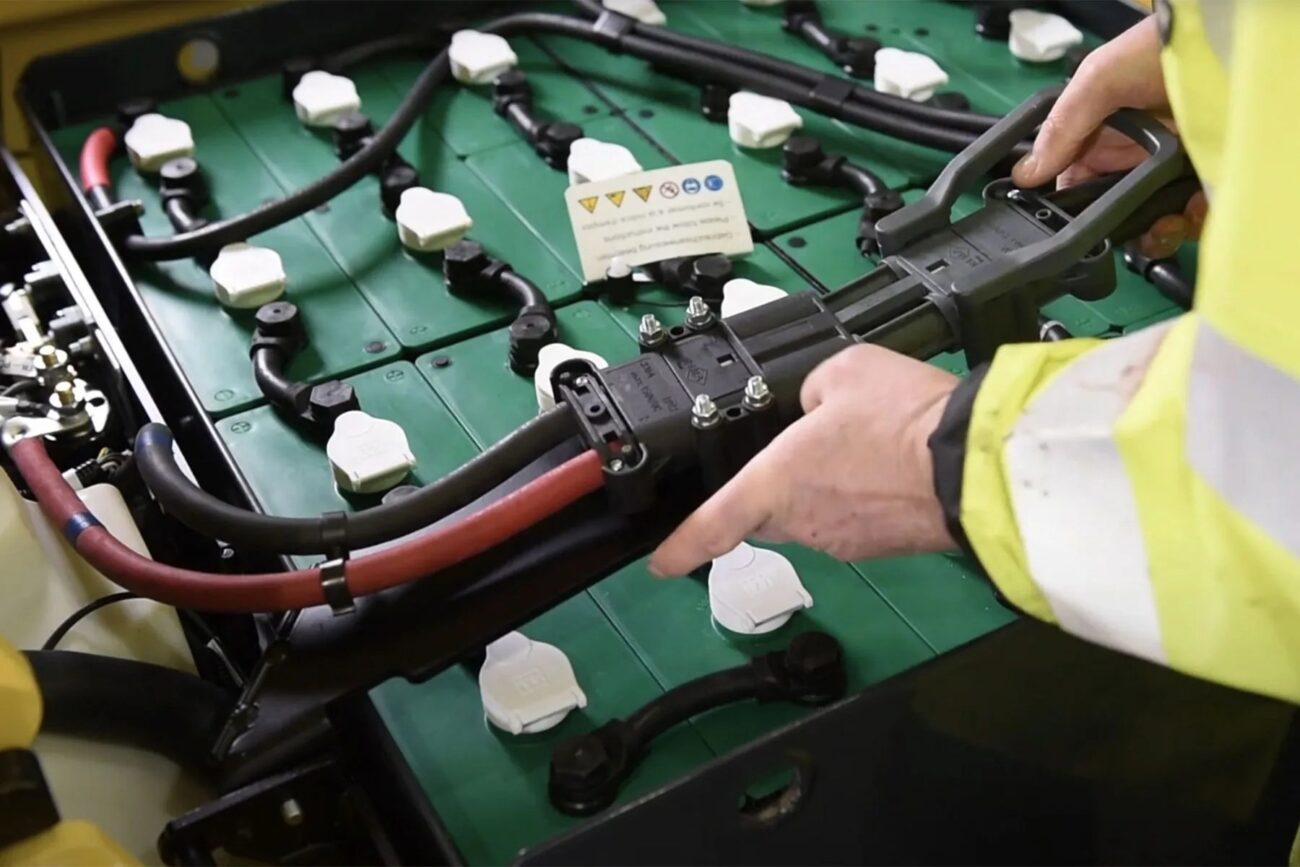
The battery pack is often the largest single cost in a gas-to-electric golf cart conversion. While older electric carts commonly used lead-acid batteries, a 48V lithium LiFePO4 setup is now the modern standard for many conversions. Lithium batteries are lighter, charge faster, require less maintenance, and usually last longer than lead-acid batteries.
A budget battery setup may cost around $1,000, but a quality mid-range lithium pack often costs closer to $2,000 to $3,000. The average conversion cost for a mid-range lithium pack is commonly around $2,350, such as a hydrocell setup. Choosing the right battery depends on your desired range, cart weight, passenger load, terrain, and daily usage.
It is important to use a battery pack that matches the controller and motor voltage. Most conversions use 48V systems because they provide a good balance of performance, efficiency, and parts availability. Higher-voltage systems may offer more power, but they also increase cost and complexity.
3. Rear Axle: $500 – $1,000
A gas golf cart rear axle is typically designed to work with a gas engine and CVT transmission. In many gas carts, the engine and transmission system connect directly to the axle in a way that is not compatible with a standard electric motor. For this reason, a proper conversion often requires replacing the rear axle with one designed for an electric motor.
A used electric rear axle may cost around $500, while a new or refurbished axle can cost closer to $1,000. This is one of the parts that many beginners overlook. Without the correct axle, installing the electric motor can become difficult, unreliable, or unsafe.
4. Wiring and Accessories: $300 – $800
An electric conversion also requires several supporting components. These may include a heavy-duty solenoid, pedal box assembly, tow/run switch, key switch, charge receptacle, voltage reducer, battery cables, fuses, contactors, and wiring harnesses. These parts may seem small compared with the motor and battery, but they are essential for safe and reliable operation.
A voltage reducer is especially important if the cart uses 12V accessories such as lights, horn, USB ports, dashboard electronics, or turn signals. Since the main battery pack may be 48V, the reducer steps voltage down to a safe level for accessories.
5. Labor: $1,000 – $2,500
If you do the entire conversion yourself, you can save a large amount of money. However, this project requires mechanical skill, electrical knowledge, fabrication ability, and the right tools. Mistakes in wiring or component matching can damage expensive parts or create safety risks.
Professional labor usually ranges from $1,000 to $2,500, depending on the shop rate and how much custom work is required. Complex conversions, custom brackets, high-speed systems, and troubleshooting can increase the labor cost quickly.
Is It Worth Converting a Golf Cart to Lithium Batteries?
Yes, converting a golf cart to lithium batteries can be worth it, especially if you already have an electric cart or are building a high-quality electric conversion. Lithium batteries are lighter than lead-acid batteries, which can improve acceleration, range, and handling. They also require no watering, charge more efficiently, and usually provide a longer service life.
However, for a gas-to-electric conversion, the question is bigger than lithium alone. You are not just upgrading batteries; you are changing the entire vehicle platform. If the old gas cart is in excellent condition, has sentimental value, or you enjoy custom projects, conversion may make sense. If the frame, suspension, body, or steering system is worn out, it may be more practical to buy a used or new electric cart instead.
Conclusion
Converting an old gas golf cart into an all-electric one usually costs $3,000 to $6,000 or more in parts, with professional labor adding another $1,000 to $2,500. The main expenses include the motor and controller, lithium battery pack, electric rear axle, wiring, accessories, and custom installation work.
For hobbyists, the project can be fun and rewarding. For budget-focused owners, it is important to compare the total conversion cost with the price of buying a factory-built electric cart. A well-planned lithium conversion can deliver quiet operation, lower maintenance, and strong performance, but only if the parts are properly matched and installed safely.
Add a review
Your email address will not be published. Required fields are marked *