

What Should You Know Before Driving a Golf Cart in Florida?
Before driving a golf cart in Florida, know the age rules, ID requirements, local road limits, and safety equipment laws.
Driving a golf cart in Florida can be convenient, fun, and practical, especially in retirement communities, beach towns, resorts, campgrounds, and planned neighborhoods. However, Florida has specific rules that every driver should understand before getting behind the wheel. Golf carts may feel simple to operate, but they are still vehicles when used on public roads or community routes, and drivers must follow applicable traffic laws.
In Florida, drivers who are 18 or older must carry a valid government-issued photo ID while operating a golf cart on public roads. Drivers under 18 must have at least a valid learner’s permit or driver’s license. Golf carts are generally limited to roads approved for golf cart use, often with posted speed limits of 30 mph or less. They are usually restricted to daytime operation unless properly equipped for night driving.
Because Florida communities can set local rules, golf cart access may vary by city, county, or neighborhood. A cart may be allowed in one community but restricted in another. Before driving, check local ordinances, community rules, posted signs, and route maps.
Key Florida Golf Cart Rules and Regulations
| Rule Category | What Drivers Should Know |
|---|---|
| ID Requirements | Drivers 18 or older should carry a valid government-issued photo ID when operating a golf cart on public roads. |
| Age Restrictions | Drivers under 18 must have a valid learner’s permit or driver’s license to operate a golf cart on public roads. |
| Road Limitations | Golf carts are generally limited to roads designated for golf cart use, commonly with speed limits of 30 mph or less. |
| Traffic Laws | Drivers must stop at stop signs, yield when required, obey posted signs, and use turn signals or hand signals. |
| DUI Laws | Driving a golf cart while impaired by alcohol or drugs is illegal and can carry serious penalties. |
| Night Driving | Traditional golf carts are generally limited to daylight use unless equipped with required lighting and safety features. |
ID Requirements
Florida law requires adult golf cart operators to carry valid identification when driving on public roads. If you are 18 or older, you should have a valid government-issued photo ID with you at all times. This may include a driver’s license or another accepted government photo ID.
This rule is important because golf cart enforcement often happens at the local level. If law enforcement or community patrol checks operators, drivers may be asked to show identification. Carrying ID helps avoid unnecessary problems and shows that you are operating responsibly.
Age Restrictions
Florida has stricter rules for younger drivers. Anyone under 18 must have at least a valid learner’s permit or driver’s license to operate a golf cart on public roads. This means children or unlicensed teenagers should not drive golf carts on public roads, even in communities where golf carts are common.
This rule exists because golf carts still require judgment, awareness, and control. Drivers need to understand intersections, pedestrians, stop signs, turning, braking, and traffic flow. Even at lower speeds, accidents can cause serious injuries if the driver is inexperienced or distracted.
Road Limitations
Golf carts cannot be driven anywhere a driver chooses. In Florida, traditional golf carts are generally allowed only on roads that have been designated for golf cart use by the local authority. These roads often have posted speed limits of 30 mph or less.
Local rules matter. Some cities and communities have extensive golf cart paths or approved road networks. Others allow golf carts only in certain areas or not at all. Before driving, check city or county regulations and follow posted signage.
Basic Traffic Laws
Golf cart drivers must follow standard traffic rules. This includes stopping at stop signs, yielding to pedestrians, staying in the proper lane, using turn signals or hand signals, and obeying local traffic signs. A golf cart driver should not assume that smaller vehicles are exempt from the rules of the road.
Drivers should also watch for pedestrians, bicycles, children, pets, parked cars, and larger vehicles. Defensive driving is essential because golf carts are smaller and less protective than full-size vehicles.
DUI Laws
Driving a golf cart while impaired by alcohol or drugs is illegal in Florida. Some people mistakenly believe that DUI laws only apply to cars or trucks, but impairment behind the wheel of a golf cart can still result in serious legal consequences.
Beyond legal risk, impaired golf cart driving is dangerous. Golf carts can tip over, collide with cars, strike pedestrians, or eject passengers during sudden turns. If you plan to drink, do not drive a golf cart.
Night Driving
Traditional golf carts are generally restricted to daylight hours unless equipped for night use. Proper equipment may include headlights, brake lights, turn signals, a windshield, reflectors, and other safety features required by local rules.
Visibility is one of the biggest risks after dark. Drivers of larger vehicles may not see a golf cart quickly, especially on poorly lit roads. If your cart is not properly equipped, avoid night driving.
Where You Can Ride in Florida
Florida has many communities where golf carts are part of daily life. Places such as The Villages, Celebration, certain beach towns, RV resorts, and planned neighborhoods often have golf cart paths or approved local routes. However, public road access depends heavily on local ordinances.
Before using a golf cart in a new area, check the municipality’s website or contact local authorities. You should confirm where golf carts are allowed, what equipment is required, whether night operation is permitted, and whether any registration or permit rules apply.
Do You Have to Carry Insurance on a Golf Cart in Florida?
For a traditional golf cart operated only where golf carts are legally permitted, Florida generally does not require the same insurance rules that apply to full-size vehicles. However, insurance is still strongly recommended. A golf cart accident can involve property damage, medical bills, passenger injuries, or liability claims.
If the vehicle is classified differently or used in ways that require registration, insurance rules may be different. Because requirements can vary by vehicle type and local use, owners should confirm with their insurance provider and local authorities.
Even when not required, golf cart insurance can provide valuable protection. Coverage may help with theft, collision damage, liability, medical payments, or damage caused to another person’s property.
Safety Tips Before Driving
| Safety Tip | Recommended Action |
|---|---|
| Check Local Rules | Confirm whether golf carts are allowed on your planned route. |
| Carry ID | Keep your driver’s license or government photo ID with you. |
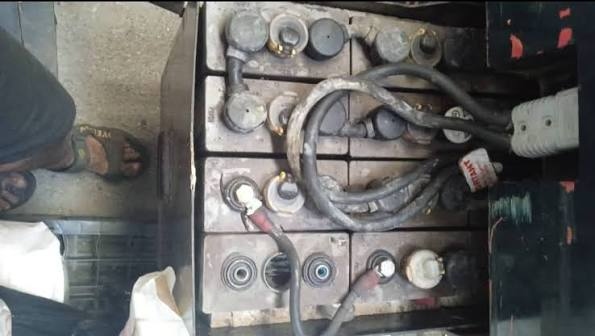
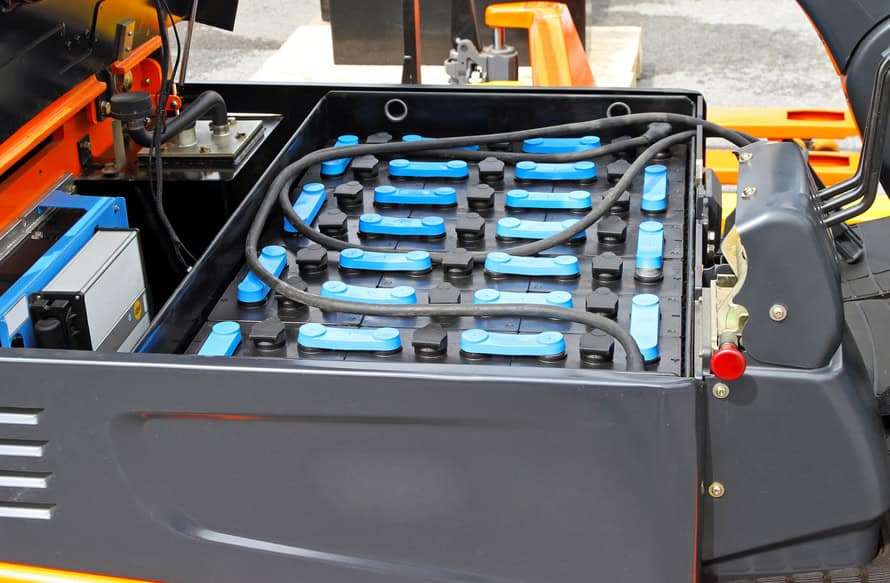
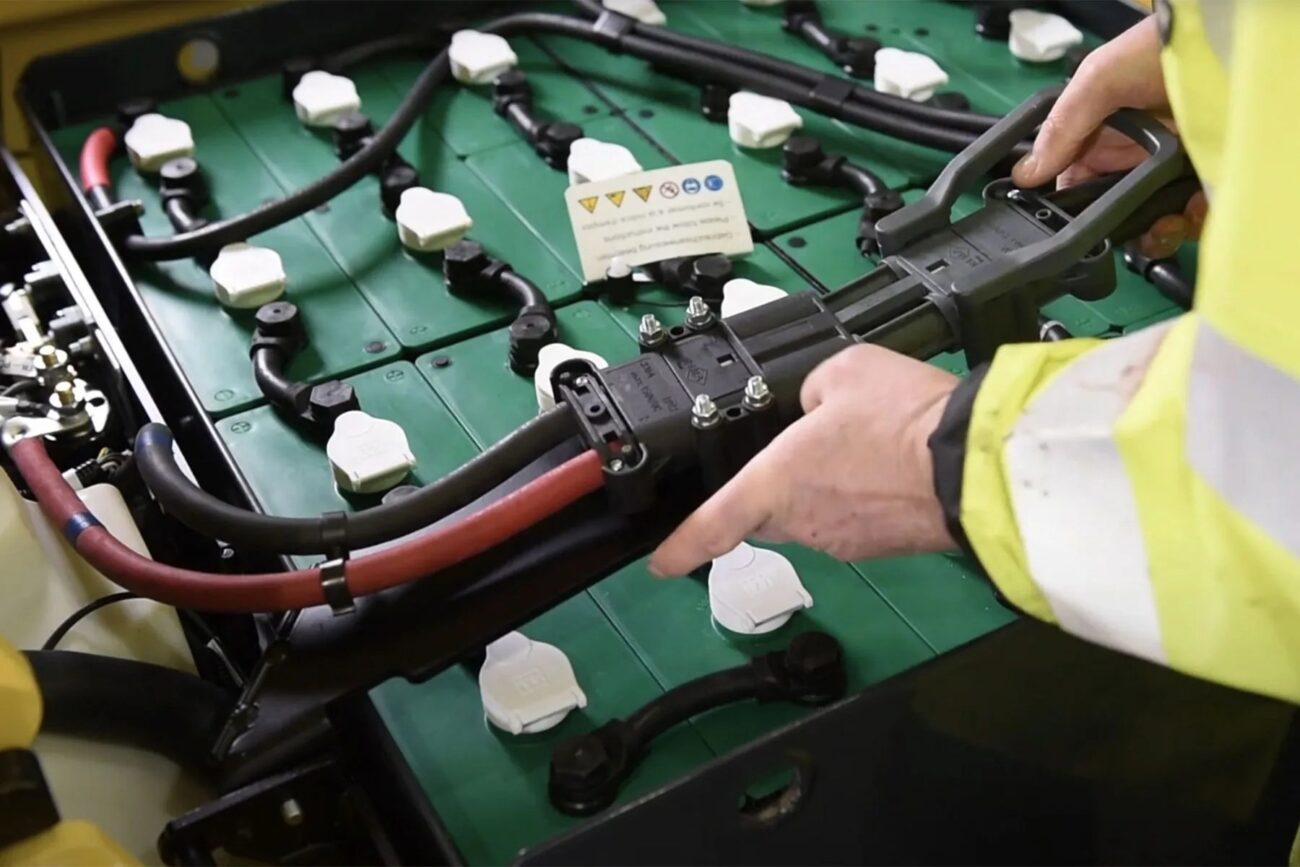
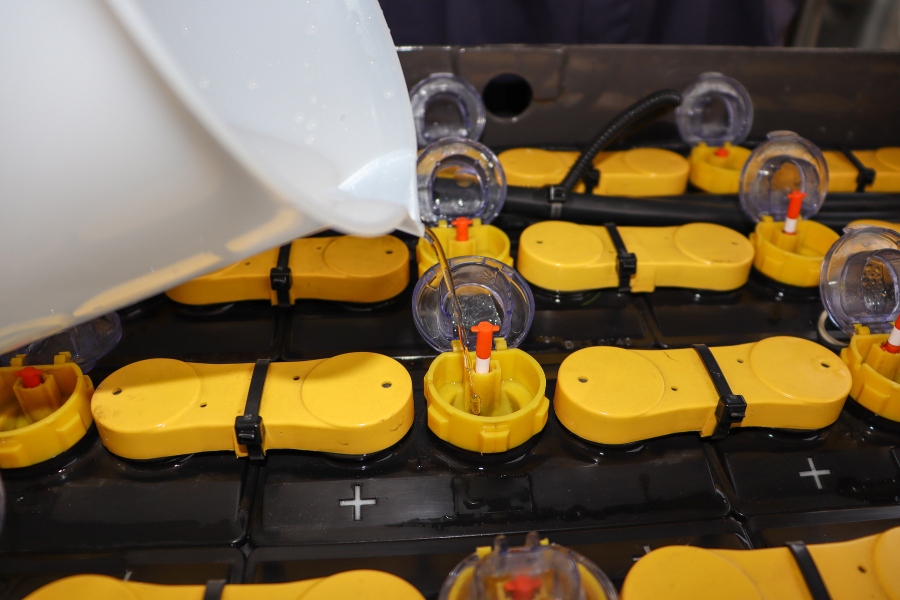
| Inspect the Cart | Check brakes, tires, steering, lights, mirrors, horn, and battery before driving. |
| Drive Sober | Never operate a golf cart while impaired. |
| Protect Passengers | Keep passengers seated and make sure hands and feet stay inside the cart. |
Conclusion
Before driving a golf cart in Florida, understand the rules for ID, age, road access, traffic laws, DUI enforcement, night driving, and insurance. Adults should carry valid government-issued photo identification, and drivers under 18 must have a learner’s permit or driver’s license. Golf carts are generally limited to approved roads and routes, often with speed limits of 30 mph or less.
Because local rules vary across Florida, always check municipal or community regulations before driving. With the right knowledge, proper equipment, safe habits, and responsible operation, a golf cart can be a convenient and enjoyable way to travel through Florida communities.
Add a review
Your email address will not be published. Required fields are marked *